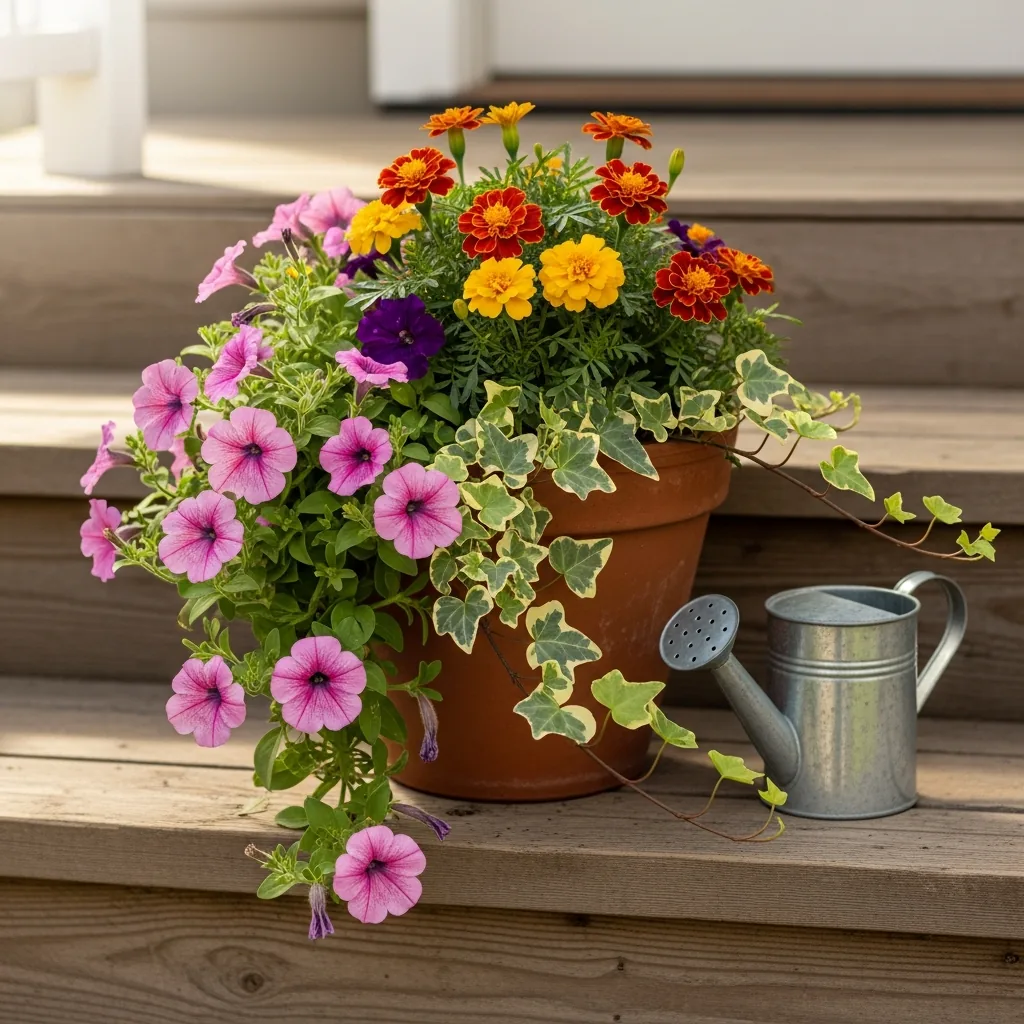
Quick Tips for a Stunning Summer Container Garden (vegetable garden)
Quick version: A successful summer container garden starts with smart plant choices. Select plants with similar light and water needs. Mix textures and colors for visual appeal. Use well-draining potting mix and a pot with drainage holes. Water consistently, especially during hot weather, checking soil moisture daily. Fertilize regularly according to plant needs. Consider a mix of annuals for instant color and perennials for longer-term interest. Proper placement in sun or shade is crucial for plant health. This approach ensures a lively, thriving summer container garden.
Creating a beautiful summer container garden is easier than you think. You don’t need a huge yard to enjoy gorgeous blooms. This guide focuses on simple, effective ways to make your pots shine.
I’ve definitely had my share of container gardening fails. From plants wilting in the heat to overwatering disasters, I’ve learned a lot. This article shares proven strategies for success, drawing on expert advice. We’ll cover plant selection, placement, and care for stunning summer displays.
This isn’t about complicated horticultural science. It’s about practical tips for home gardeners like you and me. We’ll avoid jargon and focus on what works. Let’s get your pots looking their absolute best this summer.
Why Your Summer Container Garden Matters
Container gardens are a fantastic way to add beauty and life to any outdoor space. They’re especially great for small yards or even just a patio. You can easily change them up with the seasons. A well-designed summer container garden brings color right up close to your home. It can greet guests on your porch or provide a cheerful view from your kitchen window.
Beyond aesthetics, container plants can attract beneficial insects. Bees and butterflies love flowering containers, helping with pollination in your yard. Plus, growing in containers gives you more control over soil conditions. This is a big plus if your native soil isn’t ideal for certain plants. According to Penn State Extension, container gardening is a key method for growing vegetables and flowers, especially where in-ground space is limited [L2]. It brings the garden experience to everyone, regardless of yard size.
The visual impact of a thriving container garden is undeniable. It can be a focal point on a deck or a softening element against a blank wall. It’s a manageable way to experiment with new plants and color combinations. You get the satisfaction of growing beautiful things without the commitment of a large garden bed. This makes it perfect for busy gardeners or those just starting out. The joy of watching your plants flourish is a reward in itself.
When to Plant and When to Call an Expert
Deciding what your container garden needs can be tricky. Some issues are simple fixes you can handle yourself. Others signal a bigger problem that might need professional advice.
Worth watching:
- Yellowing leaves on a heat-loving plant during a cool spell: This might just be a temporary reaction to cooler temperatures. Observe if the plant recovers as temperatures rise.
- Slight wilting in the afternoon sun: Many plants wilt slightly when it’s hot, especially in containers that dry out faster. Check the soil moisture; if it’s dry, water thoroughly.
- Slow growth in early spring: Plants are just waking up. Give them time and consistent watering to get established before worrying too much.
- Minor pest presence (like a few aphids): Often, a strong spray of water or a quick wipe with a damp cloth can manage small infestations. Natural predators might also take care of them.
- Plants looking a bit leggy: This usually means they need more light. You can try moving the container to a sunnier spot.
- Soil surface looks dry: This is your cue to water. Stick your finger about an inch deep into the soil to check.
Worth calling an expert:
- Suspected plant toxicity to pets or children: If you’re unsure if a plant is safe, contact the ASPCA Animal Poison Control Center. It’s better to be safe than sorry.
- Widespread, persistent pest infestation: If you’ve tried simple methods and the pests are taking over, it might be time to consult your local cooperative extension office for advice on specific treatments.
- Container plants showing signs of severe root rot (mushy stems, foul smell): This can be hard to reverse and might indicate a soil or drainage issue beyond your immediate fix.
- Plants dying rapidly with no clear cause, especially if you have multiple containers affected: This could point to a soil-borne disease or a systemic issue that requires expert diagnosis.
- Uncertainty about plant identification before applying any treatments: If you don’t know what the plant is, especially if it looks invasive or is causing a reaction, seek identification help from your extension office.
Step-by-Step Guide to a Summer Container Garden
- Choose the right container. Make sure your pot has drainage holes. This is non-negotiable for healthy roots. Terra cotta pots dry out faster than plastic or glazed ones. Size matters too; larger pots hold more soil and moisture, requiring less frequent watering. A pot that’s too small will quickly become root-bound.
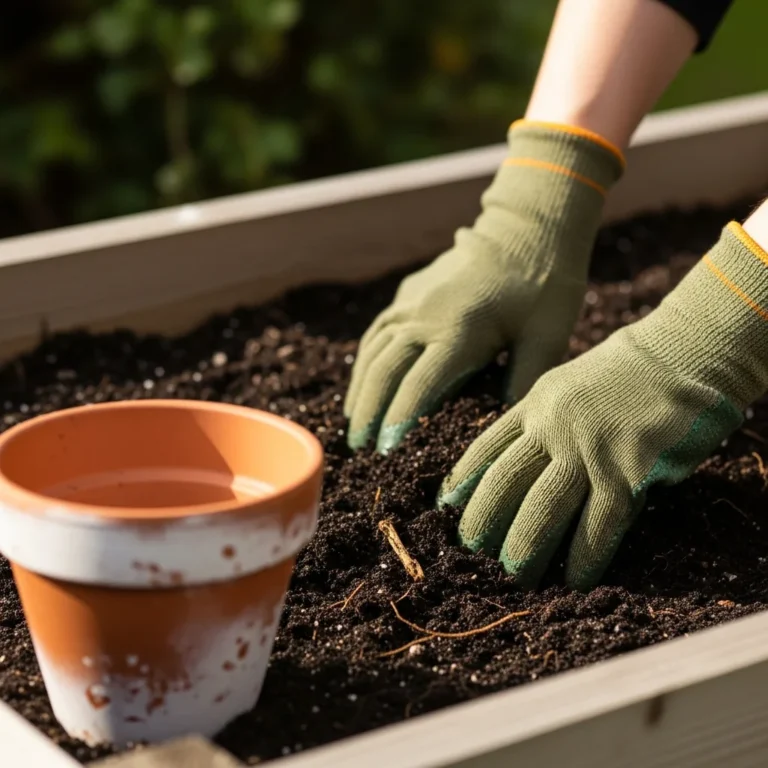
- Select appropriate potting mix. Don’t use garden soil in containers; it compacts too easily. Opt for a quality potting mix designed for containers. You can also amend it with compost for extra nutrients. Penn State Extension recommends a good potting mix as one of the four keys to success in container gardening [L2].
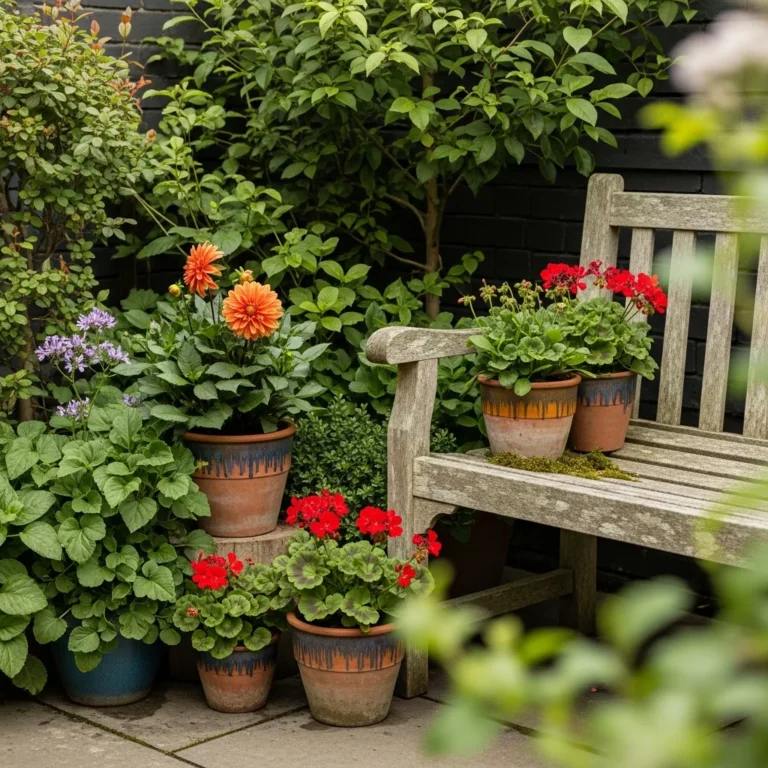
- Pick your plants wisely. Group plants with similar needs for sun, water, and soil. For a sunny spot, consider heat-loving annuals like petunias or zinnias, and drought-tolerant perennials. For shade, think hostas, impatiens, or ferns. Mixing textures, heights, and colors creates visual interest.
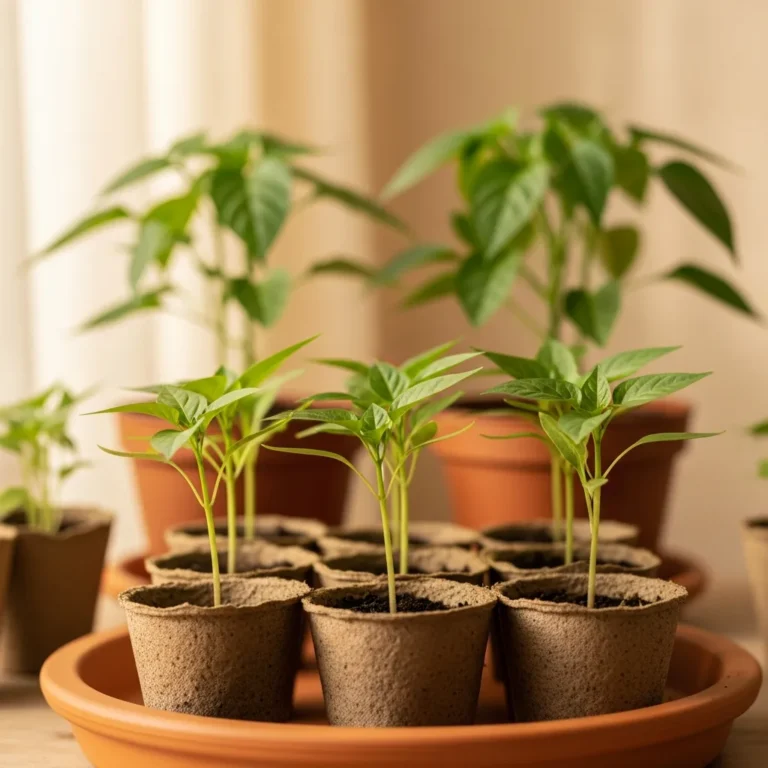
- Plant them up. Gently remove plants from their nursery pots. Loosen any circling roots. Place them in the container at the same depth they were in their original pot. Fill in around the plants with your potting mix, leaving about an inch of space at the top for watering.
- Water thoroughly after planting. Water until you see it drain from the bottom holes. This helps settle the soil around the roots. For the first week or two, check the moisture daily, as new plants establish.
- Place your containers strategically. Put sun-lovers in spots that get at least 6-8 hours of direct sun daily. Shade-tolerant plants need protection from harsh afternoon sun. Observe your yard throughout the day to find the best locations.
- Maintain consistently. Water when the top inch of soil feels dry. Feed your plants with a balanced liquid fertilizer every 2-4 weeks during the growing season. Deadhead spent flowers to encourage more blooms. This consistent care is key to a beautiful summer container garden.
Common Myths About Summer Container Gardens
Myth: You can use regular garden soil in containers.
Reality: Garden soil is too dense for pots. It compacts easily, hindering drainage and air circulation for roots. This can lead to root rot and unhealthy plants. Always use a specific potting mix designed for containers, which is lighter and provides better aeration. Adding compost can boost nutrients, as suggested by university extension services.
Myth: All plants in a container need the same amount of water.
Reality: While grouping plants with similar needs is best, subtle differences exist. A plant with larger leaves might drink more than one with smaller, waxy leaves. Always check the soil moisture before watering. Relying on a schedule alone can lead to over or underwatering. The Clemson Extension notes that proper watering is crucial for container success [L2].
Myth: Containers dry out too quickly to grow anything substantial.
Reality: While containers do dry out faster than garden beds, strategic choices mitigate this. Use larger pots, which hold more moisture. Choose drought-tolerant plants. Mulching the soil surface can also help retain moisture. Consistent watering, especially during heat waves, is key.
Myth: You need expensive, fancy pots for a beautiful display.
Reality: The pot’s primary functions are to hold soil and provide drainage. While aesthetics matter, a beautiful plant display can be achieved in simple, inexpensive containers. Look for good drainage and an appropriate size. Even a repurposed bucket with holes drilled in the bottom can work wonders.
Myth: Container gardens are only for annuals.
Reality: While annuals provide instant, season-long color, perennials can also thrive in containers. Many smaller perennials, herbs, and even some dwarf shrubs can live happily in pots. They may require more attention to winter protection in colder climates, but they offer returning beauty year after year.
What to Track in Your Summer Container Garden
Keeping an eye on a few key things will help you maintain a thriving summer container garden. This helps you catch problems early and understand your plants’ needs better. It also gives you valuable information if you ever need to consult an expert.
- Soil Moisture: Check daily, especially during hot weather. Stick your finger about an inch deep. If it feels dry, it’s time to water.
- Leaf Color: Look for lively green leaves. Yellowing can indicate overwatering, underwatering, or nutrient deficiency. Browning or crispy edges often mean it’s too dry or sun-scorched.
- Growth Rate: Observe how quickly plants are growing. Slow or stunted growth might signal nutrient issues, root problems, or insufficient light.
- Flowering: Note when plants start to bloom and how long flowers last. Deadheading encourages more flowers.
- Pest Sightings: Regularly inspect leaves (top and bottom) and stems for any signs of insects. Early detection is crucial for easy control.
- Drainage Check: Ensure water is draining freely from the pot after watering. Standing water is a major red flag for root rot.
- Fertilizer Schedule: Keep track of when you last fertilized. Container plants need regular feeding as nutrients leach out with watering.
- Container Location: Note if a plant seems unhappy. It might need more or less sun, so be prepared to move it.
Frequently Asked Questions About Summer Containers
How often should I water my summer container garden?
Watering frequency depends on weather, pot size, and plant type. During hot, dry spells, you might need to water daily. Always check the soil moisture first by sticking your finger about an inch deep. If it feels dry, water thoroughly until it drains from the bottom.
What kind of soil is best for container gardens?
Use a high-quality potting mix, not garden soil. Potting mix is lighter and provides better drainage and aeration, which is crucial for container plants. You can enhance it with compost for added nutrients. The Penn State Extension recommends this for success.
Can I mix different types of plants in one container?
Yes, but group plants with similar needs for sunlight, water, and nutrients. For example, don’t mix a shade-loving fern with a sun-worshipping cactus. Mixing textures, heights, and colors within compatible groups creates a beautiful, dynamic display.
How do I prevent my container plants from drying out too quickly?
Use larger pots, as they hold more soil and moisture. Choose plants that are more drought-tolerant. Applying a layer of mulch on top of the soil can also help significantly in retaining moisture. Consistent watering is essential, especially during peak summer heat.
When should I fertilize my summer container plants?
Most container plants benefit from regular feeding because nutrients leach out with frequent watering. Use a balanced liquid fertilizer every 2 to 4 weeks throughout the growing season. Follow the product instructions carefully to avoid over-fertilizing, which can harm plants.
What are the best plants for a sunny summer container garden?
Sun-loving annuals like petunias, zinnias, marigolds, and geraniums perform well. Drought-tolerant perennials such as sedum, coneflowers, and ornamental grasses also thrive in full sun. Ensure the container has excellent drainage for these heat-loving varieties.
How can I make my container garden look more professional?
Achieve a professional look by considering plant height, texture, and color. Use a thriller (tall focal point), filler (mounding plants), and spiller (trailing plants) arrangement. Ensure plants are healthy and well-maintained, with regular deadheading and watering. A consistent color palette can also create a advanced feel.
Enjoy Your Beautiful Summer Container Garden
Creating a beautiful summer container garden is a rewarding experience. Remember, it’s okay if things aren’t perfect right away. I’ve learned that patience and observation are key. Don’t be afraid to experiment with different plants and arrangements.
If you encounter persistent problems, like widespread disease or severe pest infestations, don’t hesitate to reach out for help. Your local cooperative extension office or a certified arborist can provide expert guidance. For pet safety concerns, the ASPCA is a great resource. Happy gardening!