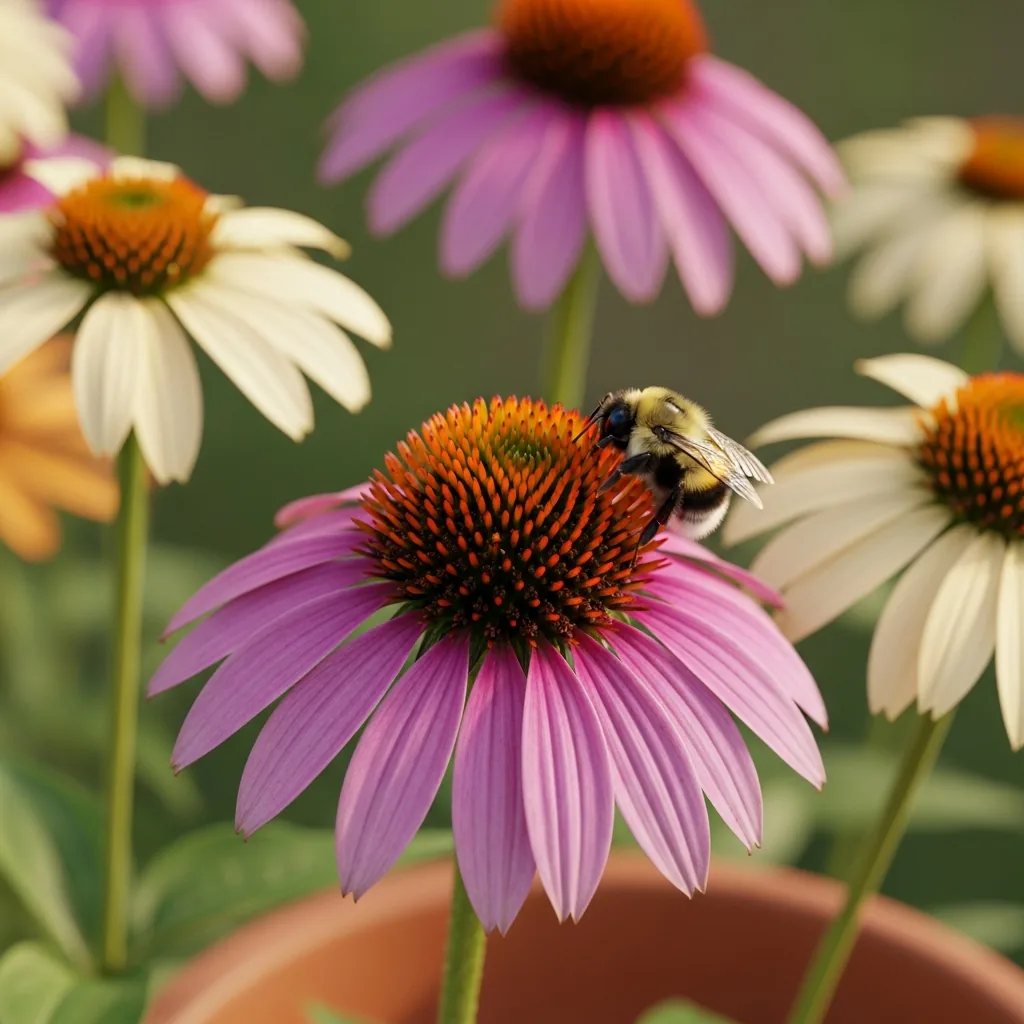
Your Quick Answer: Best Plants for Bees
Short answer: The best plants for bees offer abundant nectar and pollen, especially single-petal flowers bees can easily access. Think plants like lavender, sunflowers, bee balm, coneflowers, and salvia. Prioritize a succession of blooms from early spring through late fall. Native plants are often excellent choices as they are adapted to local conditions and support native bee populations. Providing diverse flower shapes and colors caters to different bee species. Good bee gardening also means avoiding pesticides and providing a water source. Planting several these flowers will create a lively, buzzing garden that supports essential pollinators.
Attracting pollinators to your garden is a rewarding experience. Learning about the best plants for bees can make a huge difference. As a gardener who’s definitely killed a few plants (or more) before getting it right, I know how overwhelming it can seem (vegetable garden).
This guide focuses on what works for backyard gardeners, drawing on expert advice. We’ll cover which flowers bees love, when to plant them, and how to create a buzzing haven. We won’t get bogged down in botanical jargon, but we will point you to reliable sources when you need them.
From early spring blooms to late-season nectar sources, let’s figure out how to make your garden a bee’s favorite spot. Get ready to see more pollinators and enjoy a healthier garden ecosystem.
Why Your Garden Needs Bee-Friendly Plants
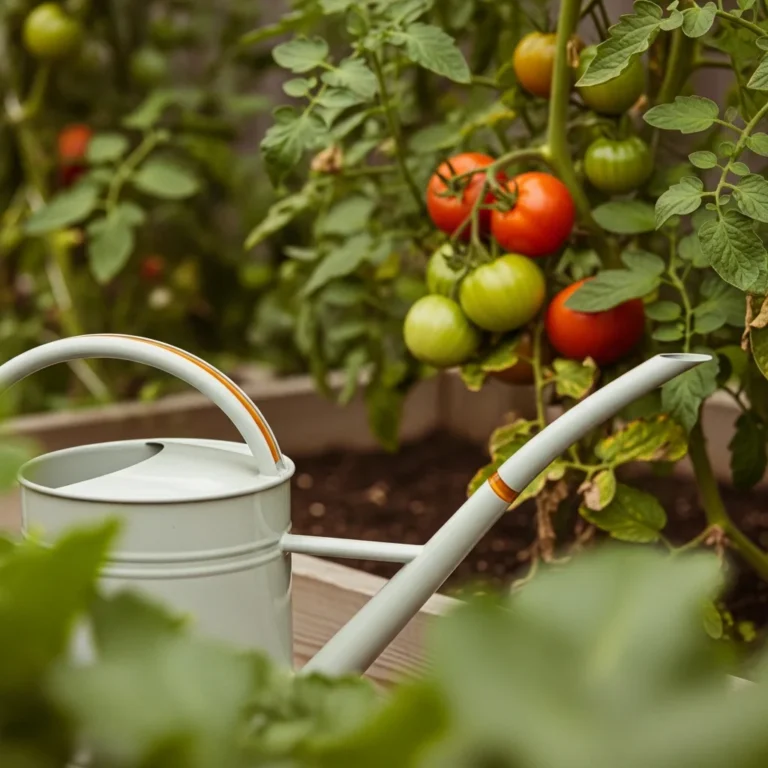
It’s easy to think of bees as just another garden visitor. But honestly, our gardens are crucial ecosystems for them. Bees are our primary pollinators. Without them, many of the fruits and vegetables we love to grow wouldn’t be as productive, or might not produce at all. Think about your favorite berries or that juicy tomato harvest; bees play a huge role in that.
The U.S. Department of Agriculture highlights that pollinators, including bees, are responsible for one out of every three bites of food we eat. That’s a massive impact! Beyond our dinner plates, they are vital for the health of wild plant populations, supporting biodiversity across landscapes. Sadly, many bee populations are facing serious declines. Factors like habitat loss, pesticide use, and disease are taking a toll. By intentionally planting flowers that support bees, you’re directly contributing to their survival and the health of your local environment. It’s a powerful way to make a difference right in your own backyard.
When to Plant: A Seasonal Guide for Bees
Deciding when to plant for bees involves thinking about their entire life cycle. Different bee species have different needs throughout the year. Some are active very early in the spring, while others keep buzzing well into the fall. Planning for continuous blooms is key to providing them with a steady food source.
Worth planting now (or soon!):
- Early Spring Blooms: As soon as the snow melts, some bees emerge. Think about planting things like crocuses, hellebores, and early-blooming fruit trees. These provide vital nectar and pollen when little else is available.
- Late Spring/Early Summer Flowers: This is when many bumblebees are busy establishing nests and feeding young. Plants like columbine, poppies, and catmint are great choices.
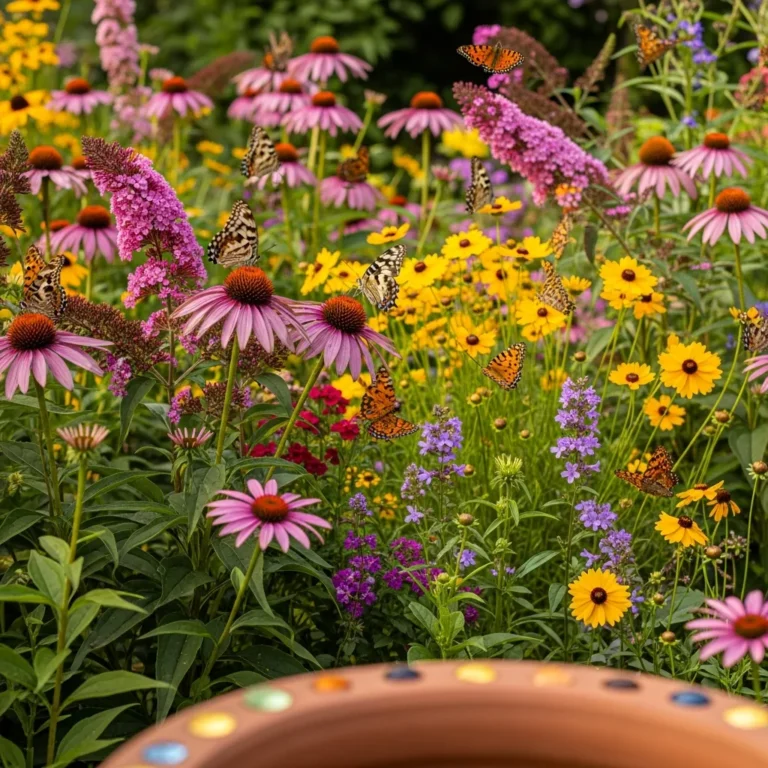
- Mid to Late Summer Bounty: Many bees are active during these warmer months. Sunflowers, coneflowers, and bee balm (Monarda) are reliable producers of nectar and pollen.
- Fall Feeders: Even as temperatures drop, some bees are still active. Asters, goldenrod, and sedums are excellent for providing late-season food.
- Container Gardening: If you have limited space, using pots and containers for bee-friendly annuals and perennials is a fantastic strategy. This allows you to place blooms strategically around your yard.
Worth calling an expert:
- Unidentified Swarms or Nests: If you find a large, active bee nest near your home, especially if it poses a risk, contact a local beekeeper or pest control service that specializes in humane removal. Don’t try to remove it yourself.
- Suspected Pesticide Exposure: If you see a large number of bees suddenly become sluggish or die off after you’ve used pesticides, contact your local cooperative extension office. They can help identify the cause and advise on safer alternatives.
- Identifying Invasive Plants: If you suspect a plant in your yard is an invasive species that might harm local bee populations or the ecosystem, consult your local extension office for identification and removal advice.
- Large-Scale Habitat Restoration: If you’re planning a significant project to create a bee habitat on a larger scale, your local extension office can provide guidance on native plant selection and best practices.
- Unusual Bee Behavior: While most bee behavior is normal, if you notice widespread disorientation or unusual lethargy across many bees that isn’t tied to a specific weather event or pesticide application, it might be worth mentioning to your local extension specialist.
Creating Your Bee-Friendly Garden: Step-by-Step
Ready to make your garden a pollinator paradise? It’s more achievable than you might think. Here’s a straightforward plan to get you started, focusing on simple steps any backyard gardener can take.
- Assess Your Space and Sunlight: Before buying a single plant, look at your yard. Where does the sun hit throughout the day? Some plants, like sunflowers, need full sun (6-8 hours daily). Others, like certain native wildflowers, prefer partial shade. Knowing your conditions helps you choose plants that will thrive, not just survive.
- Choose several Flowers: Aim for a mix of shapes, colors, and bloom times. Bees are attracted to blue, purple, yellow, and white flowers. Single-petal flowers are generally best because bees can easily reach the pollen and nectar. Think about incorporating plants like lavender, coneflowers (Echinacea), bee balm (Monarda), and salvias. The Royal Horticultural Society (RHS) offers great lists of plants that are particularly beneficial for pollinators.
- Prioritize Native Plants: Native plants are often the superstars for local bee populations. They’ve evolved alongside native bees, providing the specific resources they need. Check with your local cooperative extension office or a native plant society to find out which plants are best suited for your specific region. For example, hg.clemson.edu lists some excellent native trees for bees in the Southeast.
- Plant for Continuous Blooms: Bees need food from early spring to late fall. Select plants that bloom in succession. Start with early bloomers like pussy willows or spring bulbs, move to summer-flowering plants like sunflowers and zinnias, and finish with fall bloomers like asters and goldenrod. This ensures a consistent food source throughout the active season.
- Provide a Water Source: Bees need water, too! A simple bird bath with some pebbles or marbles added can provide a safe place for them to land and drink without drowning. Make sure the water isn’t too deep. A shallow dish filled with damp sand or gravel also works well.
- Avoid Pesticides: This is a big one. Many common garden pesticides are harmful to bees, even those labeled for “home use.” Whenever possible, opt for organic gardening methods and natural pest control. If you must use a pesticide, apply it in the evening when bees are less active and avoid spraying open flowers.
- Consider Shelter and Nesting Sites: Some native bees are solitary and nest in bare ground or hollow stems. Leaving a small patch of undisturbed soil or standing dead stems can provide valuable nesting habitat for these important pollinators.
Busting Common Myths About Plants for Bees
Myth: All flowers are equally good for bees.
Reality: Bees have preferences! They often find single-petal flowers easier to access for nectar and pollen than double-petal varieties. Many highly hybridized double flowers have been bred for showiness, sometimes at the expense of accessibility for pollinators. Also, some plants are simply richer in nectar and pollen than others. Focusing on plants known to be bee magnets, like lavender or sunflowers, is more effective.
Myth: Bees only like brightly colored flowers.
Reality: While bees are attracted to certain colors, especially blues and purples, they also visit white and yellow flowers. Bees actually see colors differently than we do, with an ability to perceive ultraviolet patterns on petals that guide them to the nectar. Don’t discount white or yellow blooms; many are excellent bee attractors, and diversity is key.
Myth: You need a huge garden to attract bees.
Reality: Even a small balcony or patio can become a bee haven. Planting a few pots of bee-friendly flowers like thyme, borage, or calendula can make a difference. Container gardening allows you to bring pollinator-attracting plants right up close where you can enjoy watching the bees work. Every little bit helps!
Myth: All bees are the same and behave aggressively.
Reality: There are thousands of bee species in North America, and most are solitary and very gentle. Honeybees and bumblebees are social and may defend their nests, but they are generally not aggressive unless provoked. Most bees you encounter in the garden are focused on foraging and are not interested in stinging. The Penn State Extension provides great information on the diversity of bees and their behaviors.
Myth: Bees will find what they need if you just let nature take its course.
Reality: While nature is resilient, many bee populations are struggling due to habitat loss and other environmental pressures. Actively choosing and planting specific flowers that provide ample nectar and pollen is a proactive way to support them. Simply hoping they’ll find enough isn’t a reliable strategy for conservation.
Observing Your Bee Garden: What to Track
Keeping an eye on your garden and its visitors can tell you a lot. It helps you understand what’s working and what might need adjusting. Plus, noting these details is super helpful if you ever need to consult with your local cooperative extension office about plant health or pest issues.
- Bloom Times: When do your chosen plants actually start flowering? Note the date and how long the blooms last. This helps you plan for succession planting next year.
- Pollinator Visits: Which plants are attracting the most bees? Are you seeing honeybees, bumblebees, or smaller native bees? Keep a rough count of visits per plant type.
- Flower Condition: Are the flowers looking healthy? Are they producing nectar (you might see glistening droplets)? Are they being fully visited, or are bees struggling to access them?
- Pest Activity: Are there any unusual insects or signs of damage on your bee-friendly plants? Note the type of damage (chewing, sucking) and the location.
- Water Source Use: Are the bees using the water source you provided? If not, is it in a safe, sunny location?
- Overall Plant Health: Beyond pests, are the plants growing well? Are leaves green and lively, or are they yellowing or wilting?
- Weather Impact: How do different weather conditions (rain, heat waves, wind) affect bee activity and plant blooms?
Frequently Asked Questions About Plants for Bees
What are the absolute best flowers for attracting honeybees?
Honeybees are drawn to a wide variety of flowers, but they particularly love plants with abundant nectar and pollen. Lavender, sunflowers, bee balm (Monarda), borage, and clover are excellent choices. Single-petal varieties are generally preferred over double blooms. Planting a diverse range ensures you cater to their needs throughout their active season.
Are native plants always better for bees than non-native ones?
Native plants are typically the best choice because they have co-evolved with local bee species, providing the precise food and habitat they need. Many native bees, especially, are adapted to specific native plants. However, some well-chosen non-native plants, like lavender or bee balm, can also be very beneficial, especially if they bloom when native options are scarce. Always check with your local extension office for regional recommendations.
Can I attract solitary bees, not just honeybees and bumblebees?
Yes! Solitary bees, which make up the majority of North American bee species, also need support. They often nest in tunnels in the ground or in hollow stems. Providing bare, undisturbed soil patches and leaving some dead plant stems can offer nesting sites. Plants like sunflowers, asters, and goldenrod are great food sources for them too.
What colors of flowers do bees prefer most?
Bees generally see best in the blue, purple, and yellow spectrums. They can also see ultraviolet light, which often appears as patterns on petals that guide them to the nectar. While they are attracted to these colors, they will visit flowers of many colors, including white. several colors and shapes is always a good strategy.
How important is providing a water source for bees?
Providing a water source is surprisingly important, especially during hot, dry weather. Bees need water for drinking and to help cool their hives or nests. A shallow dish with pebbles, marbles, or sand allows them to land safely and access the water without the risk of drowning. It’s a simple addition that can make a big difference.
Should I worry about double-flowered plants for my bee garden?
Generally, yes. Many double-flowered varieties have been bred for aesthetics, resulting in extra petals that make it difficult or impossible for bees to reach the pollen and nectar inside. While some double flowers might still offer some benefit, it’s usually best to prioritize single-petal, open-faced flowers that provide easy access to food resources for bees.
Are there any specific plants to AVOID planting if I want to help bees?
It’s less about avoiding specific plants and more about avoiding plants that offer little to no food value for bees, or plants that are invasive and can outcompete beneficial native species. Also, be extremely cautious with any plant that is known to be toxic to pets or humans, and always confirm toxicity with a reliable source like the ASPCA’s poison control database if you have concerns about children or animals. For instance, oleander is highly toxic.
Keep the Buzz Going in Your Backyard
Creating a garden that bees love is an ongoing, rewarding process. It’s about more than just pretty flowers; it’s about supporting a vital part of our ecosystem. Remember, even small changes can have a big impact. Don’t be afraid to experiment and observe what works best in your unique garden space.
If you ever feel unsure about plant identification, pest issues, or need advice tailored to your specific region, don’t hesitate to reach out to your local cooperative extension office. They’re fantastic resources for backyard gardeners like us.