What is Greenhouse Gardening?
Short answer: Greenhouse gardening involves cultivating plants inside a protected structure that traps solar heat and light, extending the growing season and allowing for the cultivation of non-native or tender plants. Key aspects include choosing the right size and material for your greenhouse, siting it for optimal sunlight and shelter, and managing ventilation, heating, and humidity. Proper maintenance, like regular cleaning and insulating during colder months, is crucial for plant health and maximizing light penetration. It’s an excellent method for seed starting, growing heat-loving vegetables, and overwintering delicate specimens.
Thinking about starting greenhouse gardening? It’s a fantastic way to extend your growing season and protect your plants. I remember my first attempts, thinking a small structure would be enough. Spoiler alert: it rarely is (vegetable garden)!
This guide covers the basics for backyard gardeners. We’ll talk about picking the right greenhouse, finding its perfect spot, and keeping it running smoothly. It’s packed with practical tips, drawing from reliable sources. We won’t cover advanced hydroponics or commercial-scale operations, but we’ll get you set up for success right at home.
I’ve learned a lot from my own garden, often the hard way. That’s why I’m sharing what I know, so you don’t have to repeat my mistakes. Let’s get your greenhouse journey started!
Why Greenhouse Gardening Matters for Home Gardeners
For us backyard gardeners, a greenhouse can be a game-changer. It’s more than just a fancy shed for plants; it’s a controlled environment. This control means you can start seeds weeks earlier than you normally would. Think of those tender seedlings that usually struggle with unpredictable spring frosts. A greenhouse gives them a safe start. You can also grow crops that might not normally thrive in your climate. Tomatoes, peppers, and even exotic fruits become possibilities.
Beyond just growing more, it helps you grow better. Protection from harsh weather means fewer damaged plants. You can manage pests and diseases more effectively in a contained space. The University of Massachusetts Extension notes that greenhouses can significantly extend the growing season, providing harvests well into fall and even winter with proper heating [L2] https://ag.umass.edu/greenhouse-floriculture/fact-sheets/combat-higher-fuel-prices-with-efficient-heating-systems. This means fresh produce for longer and the ability to overwinter sensitive plants. For those of us battling short growing seasons or unpredictable weather, greenhouse gardening offers a reliable solution.
Greenhouse Decisions: When to DIY and When to Call Pros
Deciding how to get your greenhouse set up involves a few choices. Some things you can absolutely tackle yourself. Others are best left to the pros, or at least require careful consideration of your local resources.
Worth watching:
- Choosing the right size: Most gardeners say they wish they’d bought a bigger greenhouse. Measure your space and budget, then consider going slightly larger than you initially planned. The Almanach advises considering size carefully before purchase [L2] https://gardenplanner.almanac.com/guides/all-you-need-to-know-before-buying-a-greenhouse/.
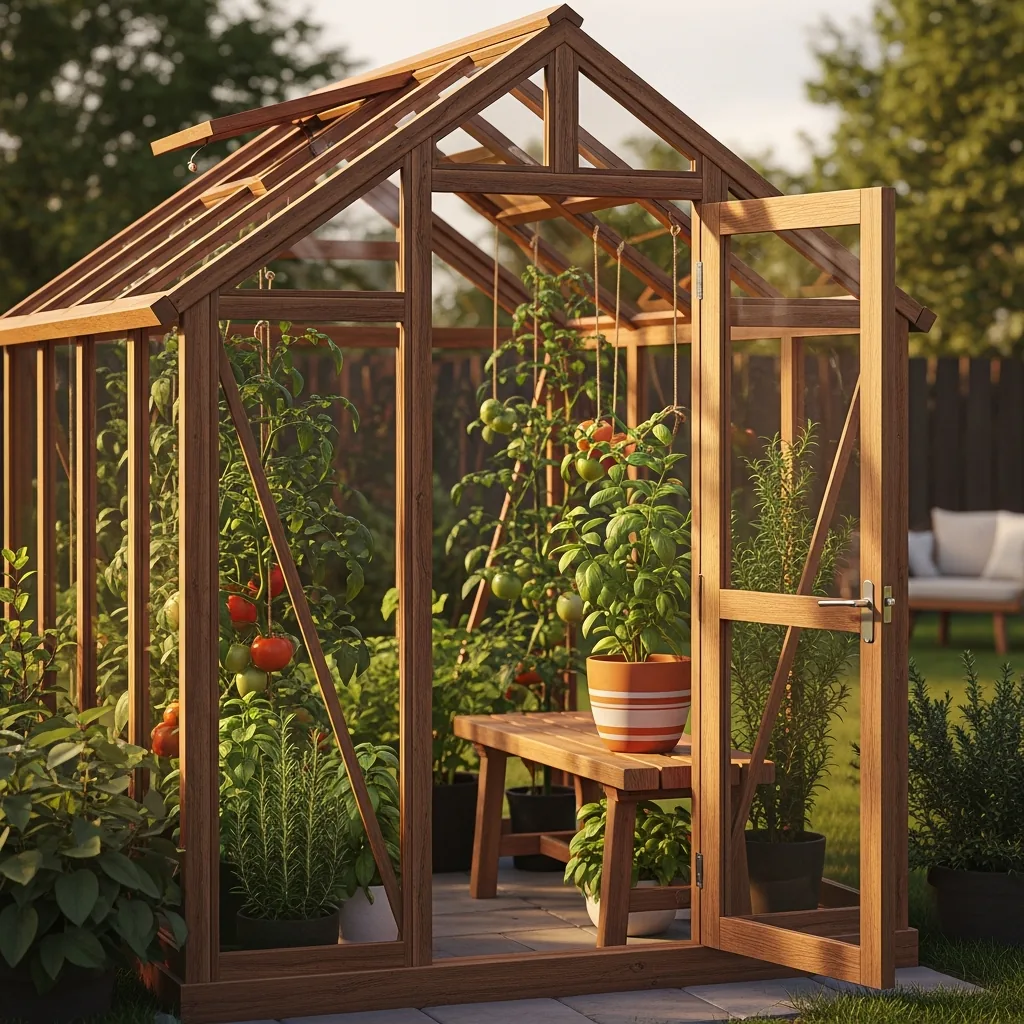
- Basic material choices: Aluminum frames are durable and low-maintenance. Wooden frames offer a natural look and good insulation but require ongoing care. Consider what fits your aesthetic and maintenance style.
- DIY assembly: Many kits are designed for home assembly. If you’re comfortable with basic tools and following instructions, you can save significantly by building it yourself.
- Adding basic ventilation: Automatic vent openers are a fantastic addition. They regulate temperature without your constant attention, which is a lifesaver on hot days. These are usually straightforward to install.
- Installing guttering and water butts: Collecting rainwater is eco-friendly and provides a convenient water source for your plants. Plastic guttering kits are readily available and simple to connect.
- Basic insulation: Adding bubble wrap to the inside walls can help retain heat during cooler months. This is an easy DIY task that makes a difference for overwintering plants.
Worth calling an expert:
- Complex foundation work: If your chosen site requires significant leveling or a specialized foundation, it might be worth consulting a contractor or landscape professional.
- Major structural modifications: If you’re planning to significantly alter a kit or build a custom structure from scratch that’s very large, consider professional design and construction services.
- Electrical work for heating/lighting: Installing greenhouse heaters or grow lights often requires electrical work. Always hire a qualified electrician to ensure safety and proper installation. The EPA notes that energy efficiency is key for heating systems [L1] https://www.epa.gov/ghgemissions/overview-greenhouse-gases.
- Advanced heating systems: For complex heating solutions beyond simple electric heaters, consult with HVAC professionals experienced in greenhouse applications.
- Pest or disease identification: If you suspect a serious pest infestation or a plant disease you can’t identify, contact your local cooperative extension office for expert advice before applying any treatments.
- Soil testing for contamination: If you have concerns about soil contamination (e.g., near old industrial sites), get it tested by your local cooperative extension office.
Setting Up Your Greenhouse: A Step-by-Step Guide
- Choose Your Greenhouse Size and Material: Before buying, assess your available space and budget. Most gardeners advise getting a greenhouse larger than you think you’ll need, as your needs often grow. Common materials include aluminum, which is durable and low-maintenance, and wood, which offers good insulation but requires more upkeep. Consider what works best for your climate and your willingness to perform maintenance. The Royal Horticultural Society offers guidance on different greenhouse types [L2] https://www.rhs.org.uk/garden-features/choosing-greenhouses.
- Select the Ideal Location: Site your greenhouse in a spot that receives maximum sunlight, ideally with an east-west orientation to capture light throughout the day, especially during winter. Avoid frost pockets and areas prone to strong winds. Ensure the ground is level or can be easily leveled. Good air circulation around the structure is also beneficial.
- Prepare the Foundation and Assemble the Structure: Most greenhouses require a level base. This could be concrete, paving slabs, or even a simple timber frame, depending on the size and type. Follow the manufacturer’s instructions carefully for assembly. If you’re not comfortable with DIY, consider hiring a professional for this stage.
- Install Essential Accessories: Fit guttering to collect rainwater, which can be stored in a water butt for later use. Install automatic vent openers; these are invaluable for regulating temperature on hot days without manual intervention. Add staging or shelving to maximize your growing space and keep plants off the potentially cooler floor.
- Manage Ventilation and Temperature: Proper ventilation is critical to prevent overheating and disease. Open vents and doors on warm days. On cooler days, you might need to insulate with bubble wrap and consider a small heater, especially if overwintering tender plants. The UMass Extension provides insights into efficient heating systems [L2] https://ag.umass.edu/greenhouse-floriculture/fact-sheets/combat-higher-fuel-prices-with-efficient-heating-systems.
- Maintain Cleanliness: Regularly clean your greenhouse inside and out. This maximizes light penetration, especially during winter, and reduces the risk of pests and diseases. A good cleaning in spring and autumn is recommended. Consider using a pressure washer for stubborn dirt, but be careful not to damage the structure.
- Damping Down for Humidity: During hot summer days, ‘damping down’ the greenhouse can help. This involves lightly wetting the floor and surfaces inside to increase humidity. It helps prevent heat stress in your plants and creates a more favorable microclimate.
Common Greenhouse Gardening Myths Debunked
Myth: You need a huge, expensive greenhouse to get started.
Reality: While larger greenhouses offer more space, you can start small. Mini greenhouses or even cold frames can be effective for seed starting or growing a few key plants. Focus on choosing a size that fits your space and budget, and remember that even basic protection extends your growing season significantly. The key is effective use of the space you have.
Myth: Once built, a greenhouse requires very little attention.
Reality: Greenhouses need regular care to function optimally. Ventilation, watering, cleaning, and temperature control are ongoing tasks. Neglecting these can lead to overheating, disease, or pest problems. The Royal Horticultural Society emphasizes the importance of ventilation and shading for greenhouses [L2] https://www.rhs.org.uk/garden-features/ventilation-and-shading-greenhouses.
Myth: You can grow anything in a greenhouse, regardless of your climate.
Reality: While a greenhouse extends possibilities, it doesn’t negate your hardiness zone entirely. You’ll still need to consider temperature requirements for your plants. Extreme cold or heat can still be challenging without supplemental heating or cooling. However, you gain much more control over the microclimate inside.
Myth: A plastic-covered polytunnel is just as good as a glass greenhouse.
Reality: Polytunnels are a more affordable option and great for seasonal crops like lettuce or tomatoes. However, they generally offer less insulation than glass or polycarbonate greenhouses. They can be expensive to heat effectively over winter and may not provide adequate protection for overwintering tender plants. Greenhouses offer more durability and better year-round performance.
Myth: You must have a heated greenhouse to use it in winter.
Reality: While heating is essential for growing tender plants or starting seeds in winter, an unheated greenhouse can still be valuable. It provides protection from frost, wind, and heavy rain, allowing you to overwinter hardy perennials, store pots, or grow cold-tolerant crops like spinach and kale. Adding bubble wrap insulation can significantly improve its winter performance.
What to Track in Your Greenhouse
Observing your greenhouse environment closely helps you catch issues early and optimize conditions for your plants. Keeping a simple log can be incredibly helpful, especially when consulting experts. Here’s what to keep an eye on:
- Temperature: Daily high and low temperatures inside the greenhouse. Note any extreme fluctuations.
- Humidity: General humidity levels. You can use a hygrometer for precise readings.
- Ventilation Schedule: When you open and close vents and doors.
- Watering Frequency: How often you water different plants or zones.
- Plant Growth Rate: Observe how quickly plants are growing compared to previous weeks or similar plants grown outdoors.
- Leaf Appearance: Note any changes in leaf color (yellowing, browning), wilting, or spotting.
- Pest Sightings: Record the type of pest (if identifiable), number of pests seen, and the location on the plant.
- Disease Symptoms: Document any signs of fungal spots, mold, or unusual growths on leaves or stems.
- Sunlight Exposure: Note how many hours of direct sunlight the greenhouse receives daily, especially during different seasons.
- Watering system performance: Check that your watering system (if automated) is functioning correctly and delivering the right amount of water.
Frequently Asked Greenhouse Gardening Questions
What’s the best material for a backyard greenhouse?
For most backyard gardeners, aluminum or polycarbonate are excellent choices. Aluminum frames are durable, lightweight, and resist rust. Polycarbonate panels offer great insulation, diffuse light well, and are shatter-resistant, making them safer than glass. Glass is aesthetically pleasing but fragile and less insulating. Your choice depends on budget, desired lifespan, and aesthetic preference.
How much sun does a greenhouse really need?
Greenhouses thrive on sunlight. Aim for a location that receives at least six hours of direct sunlight per day, especially during the growing season. An east-west orientation is often recommended to maximize light exposure throughout the day. Insufficient light will stunt plant growth and reduce yields, so site placement is critical.
Can I use a greenhouse without heating in winter?
Yes, you can. An unheated greenhouse, often called a cold greenhouse, provides protection from harsh winter elements like frost, wind, and heavy snow. It’s ideal for overwintering hardy plants, storing pots, or growing cold-hardy crops like spinach and lettuce. Adding bubble wrap insulation can significantly boost its ability to retain ambient warmth.
What’s the difference between a greenhouse and a polytunnel?
A greenhouse is typically a more permanent structure with rigid walls and roofing, often made of glass or polycarbonate. They offer excellent durability and insulation. A polytunnel, on the other hand, is a simpler structure with a metal frame covered in plastic sheeting. Polytunnels are generally less expensive and easier to erect but offer less insulation and durability, making them better suited for seasonal growing rather than year-round use.
How do I prevent overheating in my greenhouse during summer?
Preventing overheating is crucial. Ensure adequate ventilation by opening roof vents and side vents, or doors. Shade cloths can be draped over the greenhouse exterior during the hottest parts of the day to reduce solar gain. Damping down the floor also helps increase humidity and cool the air. Automatic vent openers are highly recommended for consistent temperature regulation.
When should I consider upgrading my greenhouse?
You might consider upgrading if your current greenhouse is consistently too small for your needs, is falling into disrepair, or doesn’t offer the insulation or protection required for the plants you wish to grow. If you find yourself struggling to manage temperature or humidity, or if pests and diseases are a constant battle due to inadequate structure, it’s likely time for an upgrade.
Is greenhouse gardening worth the cost and effort?
For many gardeners, the answer is a resounding yes. The ability to start plants earlier, grow a wider variety of crops, protect plants from pests and weather, and extend the harvest season often justifies the initial investment and ongoing effort. It allows for more consistent success and experimentation, making gardening more rewarding.
Your Greenhouse Journey Starts Now
Starting with greenhouse gardening can feel like a lot, but remember, I started by killing houseplants! The key is to begin with manageable steps and reliable information. Choosing the right structure and location is your first big win. Don’t be afraid to start small, and always keep an eye on those environmental controls – temperature and ventilation are your best friends.
If you encounter persistent pests, diseases, or aren’t sure about structural integrity or electrical needs, don’t hesitate to reach out to local experts. Your cooperative extension office is a fantastic resource for plant health questions. Happy growing!