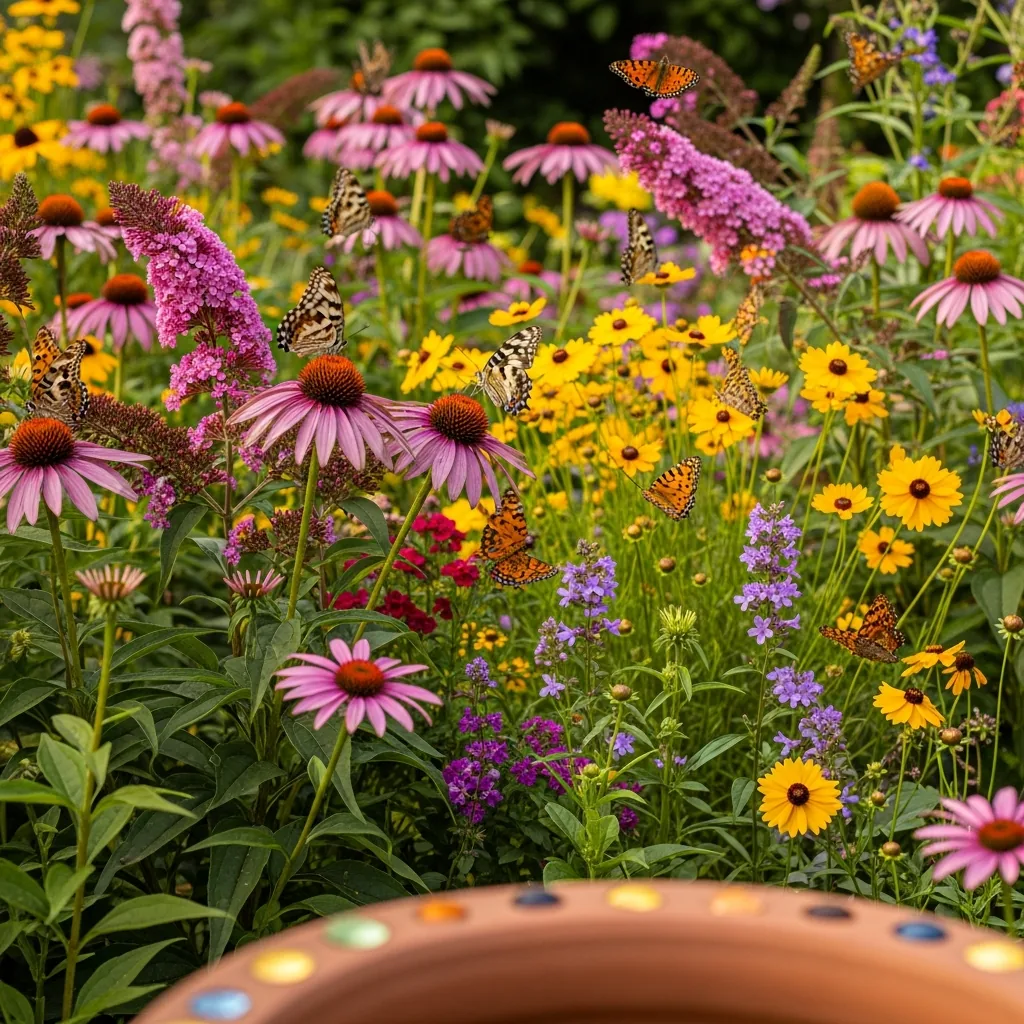
Quick Answer: Top Plants for Butterflies (vegetable garden)
Short answer: Creating a haven for butterflies means offering both nectar for adults and host plants for caterpillars. Excellent nectar sources include Butterfly Bush (Buddleja), Coneflower (Echinacea), and Milkweed (Asclepias). For caterpillars, consider Milkweed for Monarchs, Parsley/Dill/Fennel for Swallowtails, and Violets for Fritillaries. Planting several these beautiful plants for butterflies ensures continuous food and support throughout their life cycle. Native plants are often the best choice. Aim for different bloom times and flower shapes to welcome a wider range of species.
Want to fill your backyard with fluttering wings? You’re in the right place. This guide helps you choose the best plants for butterflies. I’ve learned a lot about this topic, often the hard way. We’ll cover nectar sources and caterpillar food plants. We won’t go deep into butterfly species identification or complex ecological studies. This is practical advice for home gardeners.
Why Planting for Butterflies Matters in Your Backyard
Butterflies are more than just pretty visitors; they’re vital garden helpers. They play a role in pollination, helping your fruits and vegetables develop. Plus, they’re a sign of a healthy ecosystem. Sadly, many butterfly populations are struggling. According to the U.S. Forest Service, habitat loss and pesticide use are major culprits. Even a small backyard garden can make a big difference. You can provide essential food and shelter for these delicate creatures. It’s incredibly rewarding to see your garden come alive with their presence. I know I feel a real connection to nature when I see them. The National Park Service highlights that creating butterfly gardens is a key strategy to support declining butterfly numbers. Your efforts contribute directly to their survival.
The metamorphosis from a tiny egg to a caterpillar, then a chrysalis, and finally a butterfly is fascinating. Providing the right plants supports each stage. Adult butterflies need nectar, which provides energy for flight and reproduction. Different butterflies prefer different flower shapes and colors. Caterpillars, on the other hand, are voracious eaters and need specific host plants to grow. Without these host plants, caterpillars simply can’t survive. Choosing plants for butterflies means understanding their complete life cycle. It’s a commitment that pays off visually and ecologically.
When to Wait and Watch vs. Call an Expert
Most butterfly garden issues are manageable with observation and patience. However, some situations require professional help or specific guidance from experts.
Worth watching:
- Small numbers of aphids on new growth: Often, ladybugs or lacewings will find them. You can also try a gentle spray of water.
- A few chewed leaves: This is likely a sign that caterpillars are feeding. It’s a good thing! Identify the caterpillar if possible.
- Butterflies visiting one year but not the next: This can happen due to weather or natural population cycles. Keep your plants healthy and they should return.
- Plants looking a bit leggy: Regular pruning or deadheading can encourage bushier growth and more blooms.
- A single sighting of a less common butterfly: Enjoy the sighting! It might be passing through. Continue providing good habitat.
- New seedlings are slow to establish: Ensure they have adequate light and moisture. Sometimes it just takes time for roots to develop.
Worth calling an expert:
- Suspected toxic plant exposure to pets or children: Immediately contact the ASPCA Animal Poison Control Center or your veterinarian. Don’t wait to see symptoms.
- Large, persistent infestations of a pest you can’t identify: This could be an invasive species or a sign of a larger problem. Contact your local Cooperative Extension office for identification and management advice.
- A mature tree near your house shows signs of distress or disease: For structural concerns or major pruning, consult an ISA-certified arborist.
- Your garden plants are consistently failing to thrive despite good care: This could indicate serious soil issues like contamination or nutrient depletion. A soil test through your local Cooperative Extension office is crucial.
- You’re unsure if a plant is native or potentially invasive: Before planting, especially in sensitive areas, confirm with your local National Invasive Species Information or extension office.
- Signs of disease on multiple plants that are spreading rapidly: Get a professional diagnosis to prevent further damage.
Step-by-Step Guide to a Butterfly-Friendly Garden
- Choose a Sunny Spot: Butterflies are cold-blooded and need sun to warm their wings and fly. Select a location that receives at least 6-8 hours of direct sunlight per day. This is crucial for both nectar plants and caterpillar host plants.
- Select several Plants: Aim for a mix of nectar-rich flowers and specific host plants. Include plants with different bloom times to provide food from spring through fall. Consider flowers of various colors and shapes. The Royal Horticultural Society recommends a diverse planting strategy.
- Incorporate Host Plants: Research which butterflies are common in your area. Then, plant their preferred host plants. For example, Monarchs rely on milkweed. Swallowtails love parsley, dill, and fennel. Even common weeds like violets can be host plants for certain fritillary species.
- Provide Water and Shelter: Butterflies need water, but they can drown in deep puddles. Create a ‘puddling’ area by leaving a shallow dish filled with damp sand or gravel. They also need shelter from wind and rain. Planting shrubs or taller perennials can offer this protection.
- Avoid Pesticides: This is critical. Pesticides, even organic ones, can harm butterflies and caterpillars. Embrace a little bit of ‘pest damage’ as a sign of a healthy food chain. If you must treat a problem, use targeted, non-toxic methods sparingly.
- Add Rocks or Logs: Butterflies often bask on warm surfaces. Flat rocks or small logs placed in sunny areas can provide basking spots. Ensure they are stable and safe.
- Consider a Butterfly Pupa Habitat: For dedicated butterfly enthusiasts, consider a butterfly house or habitat. This can offer a safe place for pupation. Make sure it’s placed in a sheltered, sunny location.
Common Myths About Butterfly Gardens
Myth: Butterflies only need nectar flowers.
Reality: Adult butterflies feed on nectar, but they need specific host plants to lay their eggs and for their caterpillars to eat. Without host plants, you won’t have new generations of butterflies. The Clemson University Extension emphasizes the importance of host plants for a sustainable butterfly population.
Myth: You need a huge garden to attract butterflies.
Reality: Even a small balcony or patio garden can attract butterflies if you choose the right plants. Container gardening with nectar-rich flowers and compact host plants can be very effective. Every little bit helps support these pollinators.
Myth: All butterflies eat the same plants.
Reality: Different butterfly species have very specific dietary needs, especially as caterpillars. What feeds a Monarch caterpillar will not feed a Swallowtail caterpillar. Researching local species is key to successful planting.
Myth: You must have exotic or rare plants to attract butterflies.
Reality: Native plants are often the best choice for attracting local butterflies. They are adapted to your climate and soil conditions, and local butterflies have evolved alongside them. Check with your local Extension office for native plant recommendations.
Myth: Deadheading flowers stops butterflies from visiting.
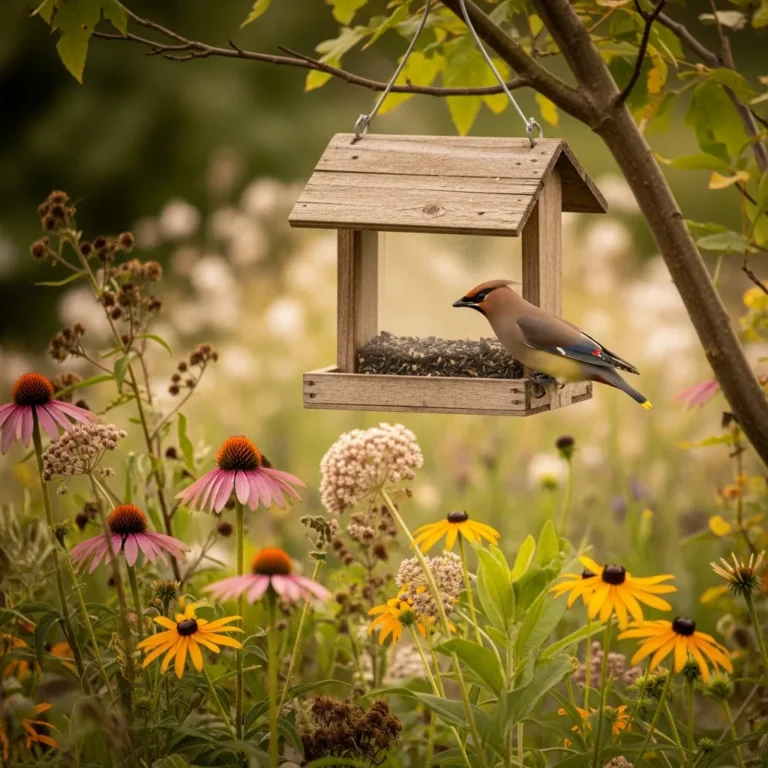
Reality: Deadheading many annuals and perennials encourages them to produce more blooms, extending the nectar season. This is beneficial for butterflies. For some plants, like Coneflowers, leaving the seed heads provides winter food for birds.
What to Track in Your Butterfly Garden
Keeping a simple garden journal helps you understand what’s working and what’s not. It also provides valuable information if you need to consult an expert.
- Plant Bloom Times: Note when each plant starts and stops flowering. This helps you plan for continuous nectar availability.
- Butterfly Species Observed: Keep a list of the types of butterflies you see. Note which plants they visit most often.
- Caterpillar Sightings: Document where you find caterpillars and on which host plants. This confirms your plants are serving their purpose.
- Pest Activity: Record any pest issues you notice, including the type of pest and the plant affected. Note any control methods you use.
- Weather Conditions: Briefly note significant weather events like heat waves, heavy rain, or frost. This can impact butterfly activity and plant health.
- Plant Health: Observe leaf color, growth rate, and any signs of disease or stress.
- Watering Schedule: Track how often you water, especially during dry spells. This helps assess if plants are getting enough moisture.
- Pesticide Application (if any): Record exactly what you used, where, and when. This is important for understanding potential impacts.
Frequently Asked Questions About Plants for Butterflies
What are the best plants for Monarch butterflies?
Monarch butterflies exclusively use milkweed (Asclepias species) as their host plant for caterpillars. Adult Monarchs also feed on nectar from various flowers like Coneflowers, Asters, and Goldenrod. Planting native milkweed is crucial for supporting Monarch populations.
Can I attract butterflies to a shady garden?
While butterflies prefer sunny spots, you can still attract them to shadier areas. Some butterfly species tolerate partial shade, and certain host plants, like violets, can grow in these conditions. Focus on plants that bloom well in less sun, such as Impatiens or Begonias, and ensure there’s a sunny patch nearby for basking.
How do I create a butterfly puddling station?
Butterflies need minerals and moisture, which they get from damp soil or mud puddles. To create a puddling station, fill a shallow dish or plant saucer with sand or gravel. Moisten it thoroughly, but don’t let it become a deep pool where butterflies could drown. Place it in a sunny, sheltered spot in your garden.
What is the difference between a nectar plant and a host plant?
Nectar plants provide the sugary liquid (nectar) that adult butterflies drink for energy. Host plants are specific plants that female butterflies lay their eggs on, and which the hatching caterpillars eat to grow. Both are essential for a thriving butterfly garden.
Are native plants really better for butterflies?
Yes, native plants are generally best. Butterflies and other native insects have co-evolved with native plants, meaning they are perfectly adapted to them for food and reproduction. Native plants also require less maintenance once established. The National Park Service strongly recommends using native species.
How quickly can I expect to see butterflies after planting?
You might see butterflies visiting your nectar plants within the first season, especially if they are already in bloom when planted. Attracting caterpillars and establishing breeding populations takes more time, often a year or two, as butterflies need to find your garden and lay eggs.
Your Butterfly Garden Journey
Creating a butterfly garden is a rewarding experience. It connects you with nature and supports vital pollinators. Remember, it’s okay if you don’t get it perfect the first time. I certainly didn’t! Start with a few key plants and observe what works in your yard. Don’t be afraid to experiment and learn. If you encounter persistent pest problems or aren’t sure about a plant’s health, reaching out to your local Cooperative Extension office is always a smart move. Happy gardening!