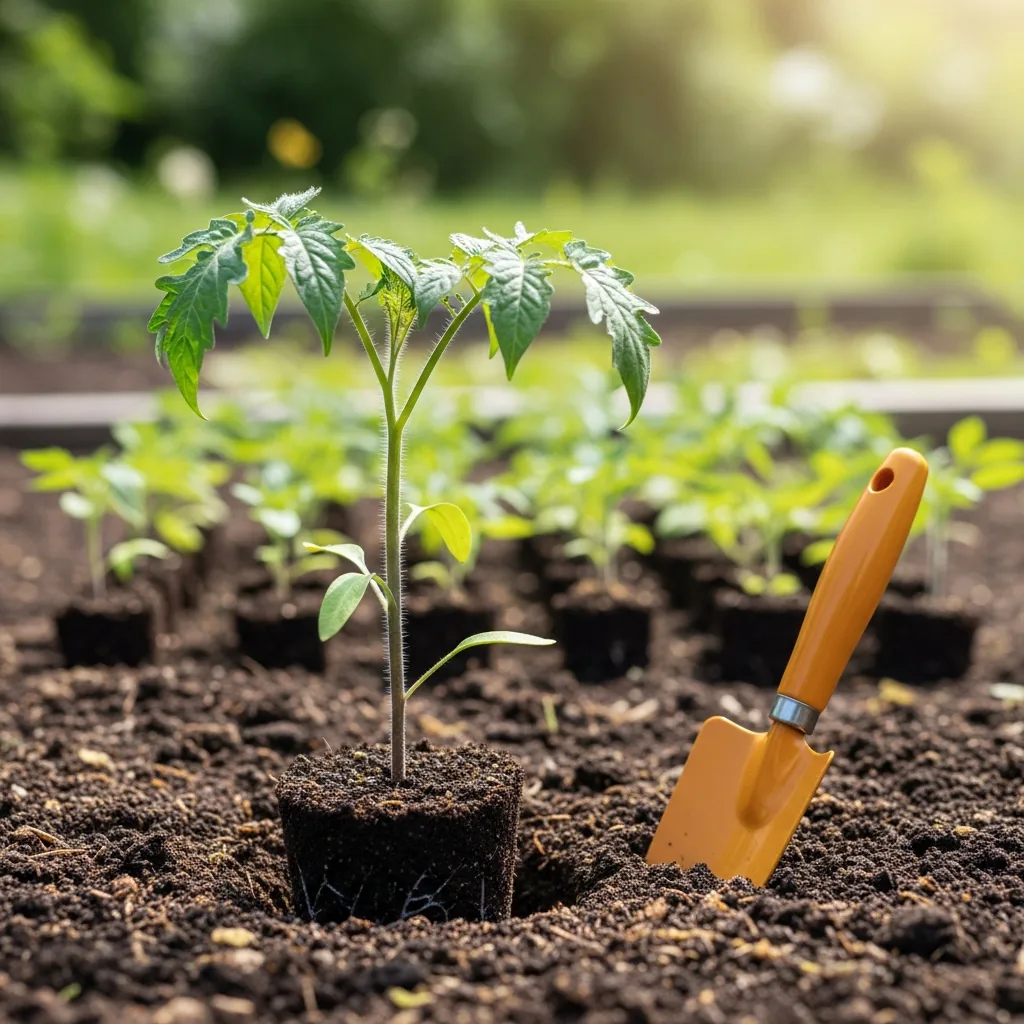
When to Transplant Tomatoes: The Quick Answer (vegetable garden)
In brief: Transplant tomatoes only after all danger of frost has passed and the soil temperature consistently stays above 50°F (10°C). Aim for daytime air temperatures between 65-85°F (18-29°C). Harden off your seedlings for a week before moving them outdoors. This gradual acclimation prevents transplant shock. Moving tomatoes too early risks chilling them, while waiting too long can stunt their growth. Proper timing is crucial for healthy root development and a bountiful harvest. It’s a key step for success when you transplant tomatoes.
The question of when to transplant tomatoes is a big one for backyard gardeners. Get this wrong, and you could be staring down stressed seedlings.
I’ve definitely been there, moving tiny tomato plants out too soon. It never ends well. This guide breaks down the best timing for transplant tomatoes, using advice from university extensions and my own hard-won experience.
We’ll cover ideal soil temperatures, frost risks, and how to give your young tomato plants the best start. This isn’t about perfect botanical knowledge, but practical steps for real gardens.
Why Waiting for the Right Time to Transplant Tomatoes Matters
Timing your tomato transplant is fundamental for plant survival and productivity. Young tomato plants are surprisingly delicate. They can’t handle frost, and even cold soil can halt their growth before it even begins. Moving them outside before the conditions are right is like sending a kid out in a snowstorm without a coat.
University extensions like Penn State emphasize consistent soil temperatures. They note that soil below 50°F (10°C) can damage young roots, leading to stunted growth and increased susceptibility to diseases. I learned this the hard way with a batch of seedlings that just sat there, looking sad, after an unexpected cold snap. They never really recovered.
The goal is to transplant when the plant can immediately start growing. This means warmth, protection from frost, and a good environment for root establishment. Getting this right sets the stage for strong plants that produce more fruit throughout the season. It’s a foundational step for any successful tomato crop.
Transplanting Tomatoes: When to Wait and When to Act
Deciding the exact moment to move your tomato seedlings from their cozy indoor pots to the garden bed requires careful observation. It’s a balance between plant readiness and environmental conditions. Here’s a breakdown to help you decide.
Worth watching:
- Soil Temperature: Consistently above 50°F (10°C) is the minimum. Use a soil thermometer. If it’s lower, wait. The University of Illinois Extension recommends waiting until soil temps reliably reach the 60s°F (15-20°C) for best results.
- Air Temperature: Daytime highs should be between 65-85°F (18-29°C). Nighttime lows should consistently stay above 50°F (10°C).
- Frost Danger: Your area’s average last frost date must have passed. Check your local weather forecasts diligently. A late frost can devastate tender tomato plants.
- Seedling Hardiness: Seedlings should be sturdy, with thick stems and well-developed leaves. Avoid leggy or pale plants. They must have undergone a hardening-off process for at least a week.
- Plant Size: Seedlings should ideally stand 6-10 inches tall. Moving them when they are too small makes them vulnerable. Very large plants might be root-bound in their pots, which also causes stress.
Worth calling an expert:
- Uncertainty about Last Frost Date: If you’re new to an area or unsure about your microclimate’s frost patterns, consult your local cooperative extension office. They possess historical data and regional expertise.
- Suspected Soil Contamination: If your garden plot is near an old industrial site, a busy road, or has a history of chemical use, consider professional soil testing. Your local extension office can guide you on safe sampling methods and interpretation.
- Persistent Pest Identification Issues: If you see unusual insects or damage you can’t identify and worry about widespread infestation or invasive species, contact your extension office for accurate pest identification and control advice.
- Unusual Plant Symptoms: If your seedlings display strange wilting, spotting, or discoloration that doesn’t match common issues, it might signal a serious disease. An expert can help diagnose it before it spreads.
Step-by-Step Guide to Transplanting Tomatoes
- Harden Off Your Seedlings: About 7-10 days before transplanting, start moving your seedlings outdoors. Begin with a few hours in a sheltered spot, gradually increasing their exposure to sunlight, wind, and cooler temperatures daily. Bring them in at night if temperatures drop significantly. This process acclimates them to garden conditions, preventing transplant shock.
- Prepare the Garden Bed: Choose a spot that receives at least 6-8 hours of direct sunlight daily. Amend the soil with compost or well-rotted manure. Loosen the soil to a depth of at least 12 inches. This gives the roots ample room to grow. Good drainage is key for tomatoes.
- Dig the Planting Hole: Dig a hole deeper and wider than the seedling’s current pot. For indeterminate varieties, spacing plants 24-36 inches apart is usually best. Determinate varieties often do well spaced 18-24 inches apart. Check your specific variety’s needs.
- Plant Deeply: Gently remove the seedling from its container. If the stem is long, bury a good portion of it. Remove the lower leaves and plant the tomato so the soil level reaches the first set of true leaves. Tomatoes can grow roots along their buried stems, resulting in a stronger plant.
- Water Thoroughly: After planting, water the seedling deeply. This settles the soil around the roots and reduces air pockets. A good watering is critical for establishing the plant in its new home.
- Add Support: If you use stakes, cages, or trellises, install them during transplanting. Doing so later can disturb the developing root system, especially for indeterminate varieties that grow tall and heavy.
- Mulch the Area: Apply a 2-3 inch layer of organic mulch around the plant’s base, keeping it a few inches away from the stem. Mulch helps retain soil moisture, suppress weeds, and regulate soil temperature. Straw, shredded bark, or compost are good mulch options.
Common Misconceptions About Transplanting Tomatoes
Myth: You can transplant tomatoes as soon as the last frost date has passed, regardless of soil temperature.
Reality: While the last frost date is a critical marker, it’s not the only factor. Cold soil temperatures below 50°F (10°C) can severely damage tomato roots and stunt growth, even if frost isn’t a concern. The University of Illinois Extension advises waiting until soil temperatures are consistently warmer for optimal transplanting success.
Myth: Tomato seedlings can be planted at the same depth they were in their pots.
Reality: Tomatoes benefit from being planted deeper than they were in their pots. Remove the lowest leaves and bury a significant portion of the stem. This encourages the development of a more extensive root system along the buried stem, leading to a stronger, more resilient plant.
Myth: Hardening off seedlings is optional if they look healthy indoors.
Reality: Hardening off is a crucial step that cannot be skipped. Seedlings grown indoors are accustomed to stable conditions. Sudden exposure to direct sun, wind, and fluctuating temperatures can shock and damage them. A gradual acclimation period of 7-10 days prepares them for the rigors of the outdoor environment.
Myth: It’s okay to disturb the roots of tomato seedlings when transplanting.
Reality: While tomatoes are somewhat forgiving, minimizing root disturbance is always best. Gently slide the plant out of its pot, supporting the root ball. If the roots are circling tightly, you can gently tease them apart, but avoid aggressively breaking up the entire root ball, which causes significant stress.
What to Track After Transplanting Tomatoes
After moving your tomato seedlings into the garden, monitor their progress. This helps catch issues early and understand your plants’ needs. Keep an eye on these key indicators:
- Leaf Color: Look for a healthy, consistent green. Yellowing leaves can indicate nutrient deficiencies, overwatering, or underwatering. Purple or reddish leaves might suggest phosphorus deficiency or cold stress.
- Growth Rate: Observe how quickly the plants are growing. A sudden stop in growth after transplanting can signal transplant shock or unfavorable conditions. Consistent, steady growth is a good sign.
- Wilting: Some slight wilting immediately after transplanting is normal, especially on a hot day. However, persistent wilting, even when the soil is moist, is a concern.
- Pest Presence: Regularly inspect leaves (tops and undersides), stems, and the soil surface for common tomato pests like aphids, hornworms, or whiteflies. Early detection is key for control.
- Soil Moisture: Check the soil moisture daily for the first week, then adjust based on your observations. Stick your finger about 2 inches into the soil. If it feels dry, it’s time to water.
- Support Stability: Ensure any stakes, cages, or trellises are secure and don’t damage the plant as it grows. Adjust as needed to provide proper support.
- Flowering and Fruiting: Note when the first flowers appear and when the first tiny fruits begin to form. This helps estimate your harvest timeline.
Frequently Asked Questions About Transplanting Tomatoes
When is the absolute earliest I can transplant tomatoes?
The absolute earliest you might consider transplanting is when nighttime temperatures consistently stay above 50°F (10°C) and the soil warms up. However, waiting until daytime highs are in the 65-85°F (18-29°C) range and the last frost has definitely passed provides a much safer window for your plants.
Should I water tomatoes before or after transplanting?
Water your tomato seedlings thoroughly in their pots about an hour before transplanting. This helps the soil ball stay intact when you remove them. After placing them in the garden bed, water them deeply again to settle the soil and hydrate the roots in their new environment.
What if I accidentally transplant my tomatoes too early?
If you transplant too early and face cold weather or frost, cover your young plants immediately with frost cloths, old blankets, or even buckets. Remove the covers once the danger has passed. While they might be stressed, protective measures can help them recover. Monitor them closely for signs of damage or disease.
How do I deal with leggy tomato seedlings before transplanting?
Leggy seedlings often mean they didn’t get enough light. You can often save them by planting them deeper, as mentioned. This encourages new roots to grow from the buried stem. You can also try providing more light indoors before hardening them off, but deep planting is the best fix at transplant time.
Can I transplant tomatoes into containers?
Absolutely! Transplanting tomatoes into containers is a great option, especially if you have limited garden space. Use large pots (at least 5-10 gallons for most varieties) with good drainage. The principles for timing, hardening off, and planting depth remain the same as for in-ground transplanting.
What are the signs my transplanted tomatoes are stressed?
Signs of stress include wilting that doesn’t resolve overnight, yellowing leaves, stunted growth, leaf curling, or leaf drop. Minor wilting on the first hot day is normal, but if it persists or is accompanied by other symptoms, investigate the watering, temperature, and soil conditions.
Happy Tomato Transplanting!
Transplanting tomatoes is a critical step for a successful harvest. By paying close attention to soil and air temperatures, and giving your seedlings time to harden off, you significantly increase their chances of thriving. Remember, even experienced gardeners sometimes face challenges. Don’t be afraid to consult resources like your local cooperative extension office if you encounter unusual problems or need advice specific to your region.