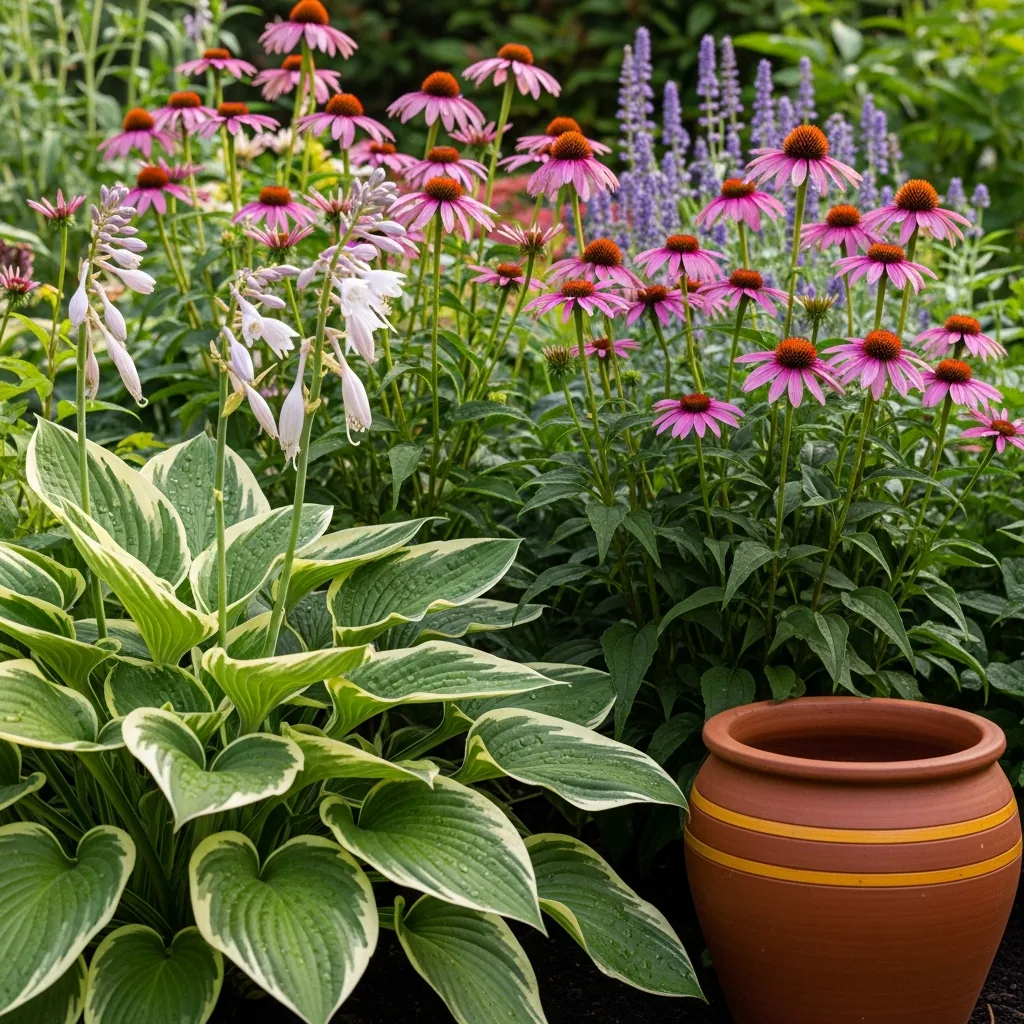
What Exactly Are Perennial Plants?
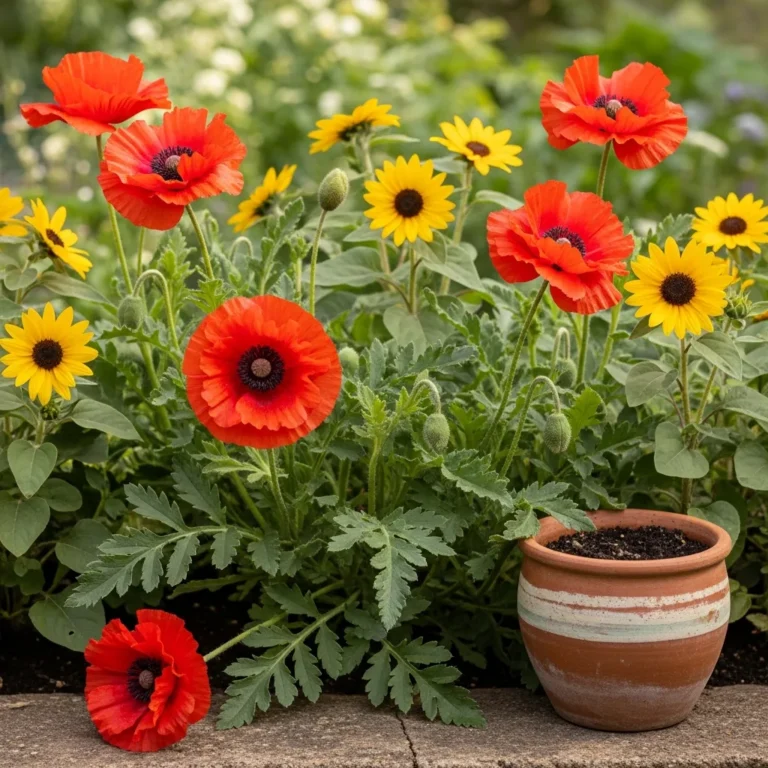
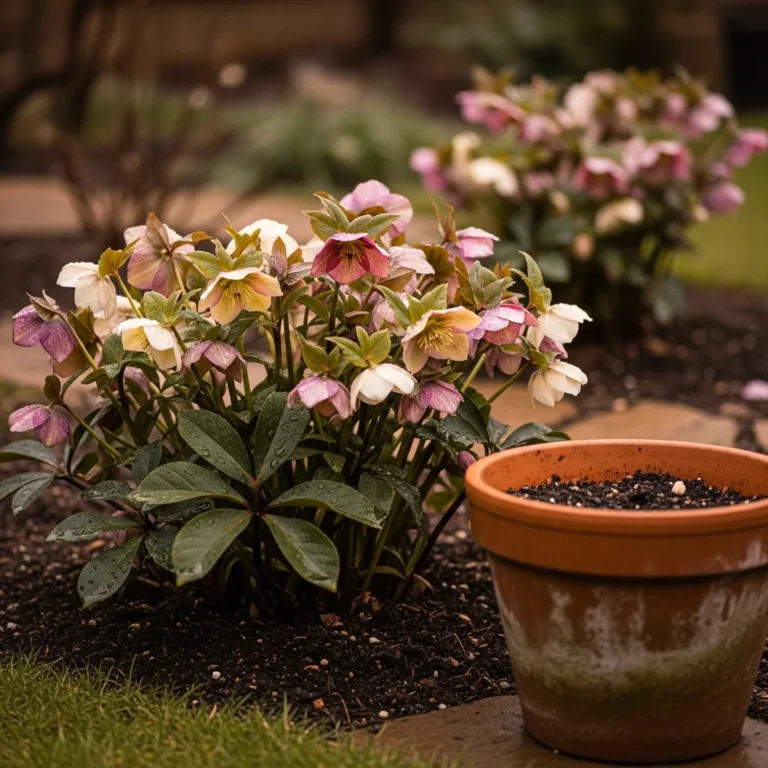
TL;DR: Perennial plants are plants that live for three or more years, returning year after year. This contrasts with annuals, which complete their life cycle in one season, and biennials, which take two years. Perennial plants include a vast range of species, from small flowering plants and groundcovers to shrubs and trees. They often develop strong root systems, allowing them to survive harsh conditions and re-emerge each spring. Choosing perennial plants can create a low-maintenance, beautiful garden that evolves over time (vegetable garden).
Perennial plants are the backbone of many beautiful gardens. These amazing plants come back year after year, saving you time and money. Unlike annuals that complete their life cycle in one season, perennials live for three or more years. They often establish deep root systems. This makes them quite resilient once they’re settled in. Here at DigInGuide, I focus on practical, real-world gardening. I’m not a botanist, but I’ve killed my share of plants. This guide uses information from trusted sources. We’ll cover what makes a plant perennial and how to pick the right ones for your yard. We’ll also talk about basic care. This guide is for the home gardener, not for commercial agriculture.
Why Choosing Perennial Plants Matters for Your Garden
As a gardener, I know the pure joy of seeing plants return each spring. Perennial plants offer that consistent beauty without the annual replanting chore. This saves many effort and budget. They establish deep root systems over time, which means they often tolerate drought better than annuals once mature. They also provide structure and color throughout the growing season and sometimes even into winter. The UMass Extension notes that perennials are key to long-term garden design, offering reliable performance. They can also improve soil health over time. Many perennials support local pollinators, too. They are a fantastic investment for a beautiful, sustainable backyard.
When to Wait and When to Act with Perennials
With perennial plants, knowing when to let them be and when to intervene is crucial. I learned this the hard way with some early spring blooms.
Worth watching:
- Newly planted perennials that haven’t established roots: Give them a full growing season to settle in.
- Plants showing minor leaf discoloration: This could be normal seasonal change or a minor stressor. Observe first.
- Slow growth in early spring: Many perennials emerge slowly. Patience is key here.
- Seed heads in fall: Many seed heads provide winter interest and food for birds. Leave them until late winter.
- Slight wilting during extreme heat: Ensure watering is adequate. They might recover overnight.
Worth calling an expert:
- Sudden, widespread wilting that doesn’t improve with watering: This could signal root rot or serious disease.
- Signs of aggressive pests or diseases spreading rapidly: Persistent infestations need professional ID and treatment advice. Your local cooperative extension can help here.
- Plants showing signs of toxicity: If you have pets or small children, and suspect a plant might be toxic, contact the ASPCA Animal Poison Control immediately.
- Large woody perennials (shrubs, trees) with structural damage: Broken branches or signs of decay near structures require an ISA-certified arborist.
Step-by-Step Guide to Planting Perennial Plants
- Choose the right spot: Select a location that matches the perennial’s light and soil needs. Check plant tags or reputable sources like Penn State Extension for specific requirements.
- Prepare the soil: Loosen the soil in the planting area. Mix in compost or other organic matter to improve drainage and fertility. This is vital for long-term health.
- Dig the hole: Dig a hole that is twice as wide as the plant’s root ball and just as deep. This allows roots to spread easily.
- Place the plant: Gently remove the perennial from its pot. If roots are circling, loosen them carefully. Place the plant in the hole so the top of the root ball is level with the surrounding soil.
- Backfill and water: Fill the hole with soil, gently firming it around the roots. Water thoroughly to settle the soil and eliminate air pockets.
- Mulch: Apply a 2-3 inch layer of mulch around the base of the plant, keeping it a few inches away from the stem. This helps retain moisture and suppress weeds.
- Ongoing care: Water regularly until established. Deadhead spent blooms to encourage more flowering. Divide overcrowded plants every few years as needed, usually in spring or fall.
Common Misconceptions About Perennial Plants
Myth: All perennial plants are low maintenance.
Reality: While many perennials require less effort than annuals, they still need care. Some need regular division, deadheading, or specific soil conditions. For example, peonies may need careful placement and protection from strong winds. Always research the specific needs of your chosen perennial plants.
Myth: Perennials bloom all summer long.
Reality: Most perennials have a defined blooming period. Some bloom in spring, others in summer, and some in fall. Staggering plants with different bloom times creates a garden that looks good for a longer season. You can consult resources like UMass Extension for bloom times.
Myth: You can’t move perennials once they’re planted.
Reality: Perennials can be transplanted, but it’s best done during their dormant season, typically early spring or fall. This minimizes stress on the plant. Ensure you dig up a good portion of the root ball. Dividing and transplanting can rejuvenate older plants.
Myth: Perennials are only for flower gardens.
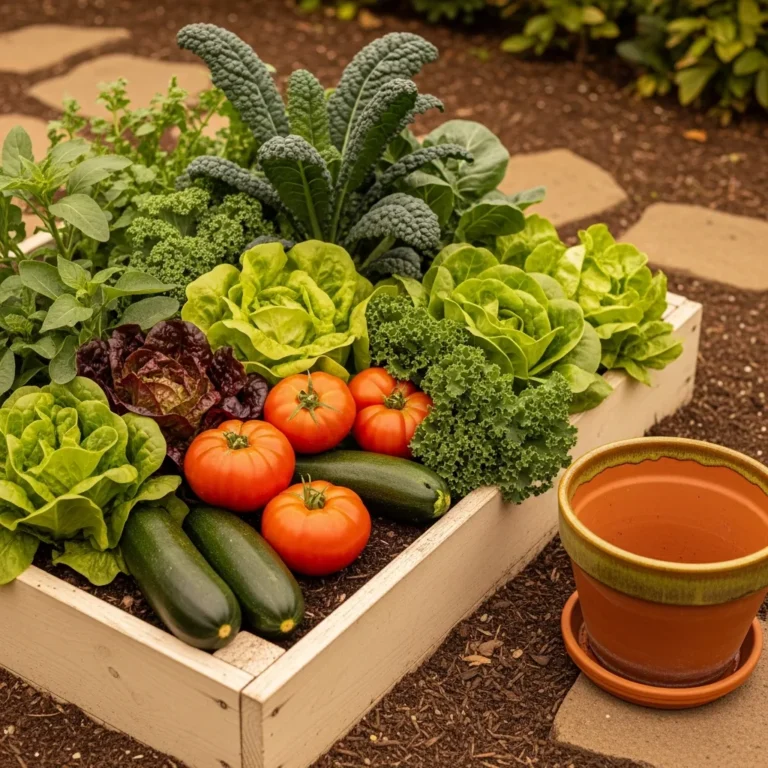
Reality: Perennials include a wide variety of plants, from flowering beauties to foliage plants, grasses, shrubs, and even trees. Many vegetables and herbs are also perennial. Think asparagus, rhubarb, rosemary, and sage. They offer diverse textures and forms.
What to Track for Healthy Perennial Plants
- Planting date: Note when you planted new perennials.
- Bloom time: Record when each perennial typically flowers.
- Growth habit: Observe how tall and wide the plant grows each year.
- Leaf color and condition: Look for any yellowing, spotting, or wilting.
- Pest and disease presence: Check regularly for insects or signs of disease.
- Watering needs: Monitor soil moisture, especially during dry spells.
- Soil moisture: Check if the soil is too wet or too dry around the roots.
- Division needs: Note if plants look overcrowded or are blooming less.
Frequently Asked Questions About Perennial Plants
What’s the difference between perennials and annuals?
Perennials live for three or more years, returning each season. Annuals complete their life cycle in one year and must be replanted annually. Think of perennials as long-term residents and annuals as seasonal visitors in your garden.
How do I know if a plant is a perennial?
Plant tags usually indicate if a plant is an annual, biennial, or perennial. Reputable gardening websites and extension services, like Clemson Cooperative Extension, also provide this information. Generally, woody plants like shrubs and trees are perennial.
When is the best time to plant perennials?
The best time to plant most perennial plants is in the spring or fall. These seasons offer moderate temperatures and consistent moisture, which helps plants establish their root systems with less stress. Avoid planting during the heat of summer.
How often should I fertilize perennial plants?
Many perennial plants don’t need heavy fertilization. Often, amending the soil with compost annually is sufficient. If you do fertilize, use a balanced, slow-release fertilizer in spring. Over-fertilizing can lead to leggy growth and fewer blooms.
Why aren’t my perennials blooming?
Several factors can cause this. Insufficient sunlight is common, as many require at least six hours of sun. Poor soil, lack of water, or planting too close together can also affect blooming. Sometimes, plants just need time to mature or may require division.
What does it mean to divide perennials?
Dividing perennials involves digging up a mature plant and separating its root mass into smaller sections. This rejuvenates the plant, improves vigor, and can increase the number of plants you have. It’s usually done every 2-5 years, depending on the species.
Enjoy Your Long-Lasting Perennial Garden
Perennial plants offer incredible value and beauty to any backyard garden. They provide a reliable foundation, returning year after year to delight us. While they require some initial planning and seasonal care, the rewards are immense. Don’t be afraid to experiment and learn as you go. If you encounter persistent problems or aren’t sure about a plant’s health, remember that your local cooperative extension office is a fantastic resource. They can offer tailored advice for your specific region and garden challenges.
Sources
- Penn State Extension
- UMass Extension
- Clemson Cooperative Extension