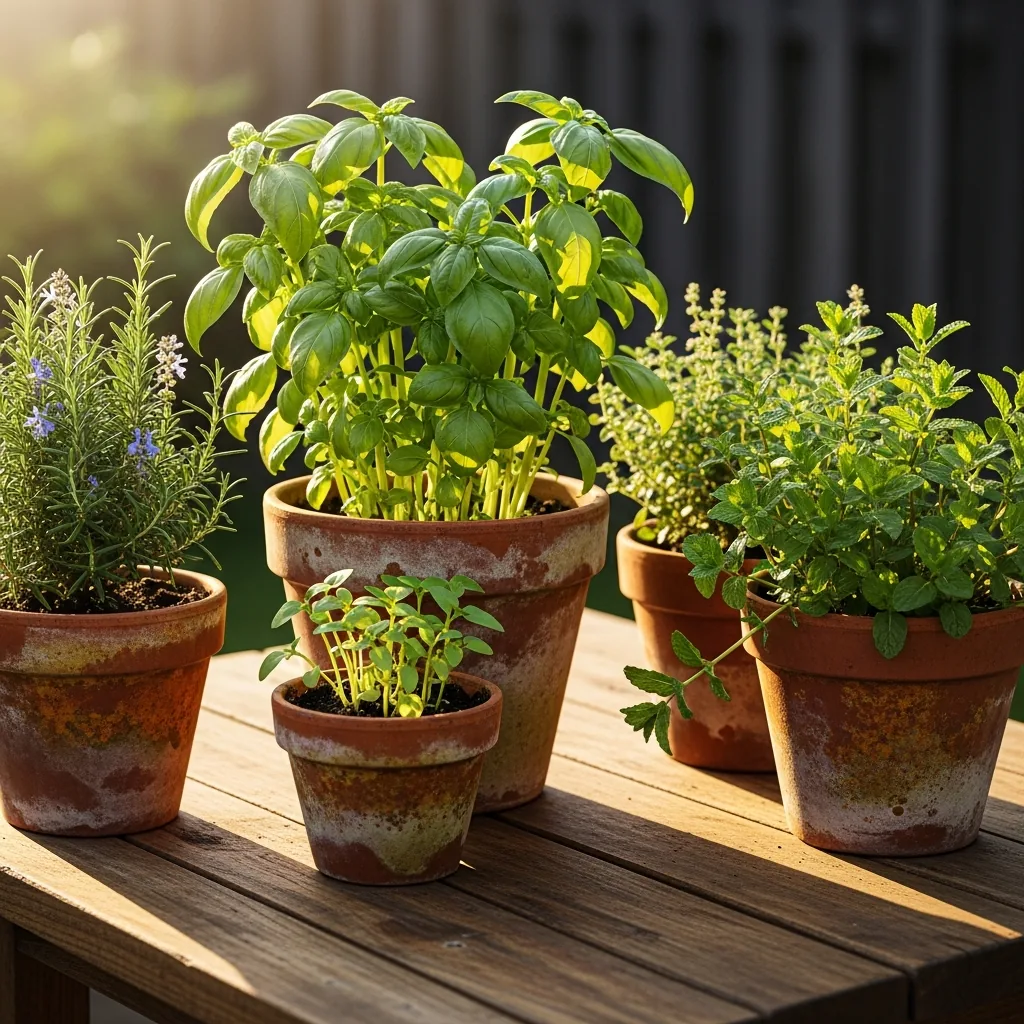
Quick Guide to Backyard Herbs
In brief: Growing herbs in your backyard offers fresh flavors and fragrances. Popular choices include basil, mint, rosemary, thyme, and parsley, which are relatively easy to grow. Most herbs thrive in full sun with well-draining soil. Container gardening is a great option for many herbs, especially those that can be invasive. Regular harvesting encourages bushier growth. Understanding your specific herb’s needs, like watering frequency and light exposure, is key to success. Some herbs prefer moist soil, while others need it to dry out between waterings (vegetable garden).
Growing herbs in your backyard is a rewarding experience. The fact that you looked this up means your garden is in good hands. This guide covers essential herbs for home gardeners. We’ll explore popular choices, planting tips, and common issues. You won’t find deep botanical dives here. I’m just a fellow gardener who’s learned a lot from my own plant successes and failures. We’ll stick to what works for us in our backyards, drawing on reliable sources like university extensions.
Why Growing Herbs Matters for Home Gardeners
Bringing herbs into your backyard garden is more than just adding greenery. It’s about connecting with your food and creating a sensory experience. Imagine snipping fresh basil for your pasta or mint for your tea, right outside your door. This accessibility makes cooking more lively and healthy. Plus, many herbs have natural pest-repelling qualities, which can help protect your other garden plants. University extensions often highlight herbs for their culinary and medicinal uses, showing their value beyond simple decoration. For instance, the USDA notes that herbs have been used for centuries for various purposes [https://scientificdiscoveries.ars.usda.gov/tellus/stories/articles/duke-herbs-and-medicinal-plants]. Growing your own herbs also reduces grocery bills and your carbon footprint. It’s a simple step towards a more sustainable lifestyle.
When to Wait and When to Act with Herbs
Most herb issues are manageable with a bit of observation. Here’s a breakdown of what you can likely handle yourself and when it’s time to seek expert advice.
Worth watching:
- Slight yellowing of lower leaves: This could mean it needs more nitrogen. A balanced organic fertilizer might help.
- Leggy growth: Your herb might need more sun or a good pruning. Regular harvesting often prevents this.
- Slow growth: It might be too early in the season, or the pot is too small. Give it time and check the pot size.
- Wilting on a hot day: This is normal for many plants. Check soil moisture; it might just need a drink.
- Pests like aphids: A strong spray of water or insecticidal soap often does the trick for minor infestations.
Worth calling an expert:
- Suspected toxicity to pets: If you have pets that might nibble your plants, check the ASPCA’s toxic plant list immediately. Some common herbs can be harmful if ingested.
- Unidentified plant diseases: If your herbs develop strange spots or blights that don’t respond to basic care, it might be a serious disease. Your local cooperative extension office can help with identification and treatment options.
- Invasive root systems: Some herbs, like mint, spread aggressively. If they are threatening to take over your garden beds, you might need advice on containment strategies. Penn State Extension offers tips on managing garden spread [https://extension.psu.edu/programs/master-gardener/counties/allegheny/additional-resources/herbs].
- Persistent pest problems: If simple methods fail and pests are damaging your plants significantly, an expert can help identify specific pests and recommend safe solutions.
Growing Your Own Herbs: Step-by-Step
- Choose the Right Spot: Most herbs love sunshine. Aim for a location that gets at least six to eight hours of direct sunlight daily. If you don’t have a sunny spot, consider herbs that tolerate partial shade, like mint or parsley.
- Select Your Herbs: Start with easy-to-grow herbs like basil, chives, mint, oregano, parsley, rosemary, and thyme. Consider what you like to cook with. You can find great lists from resources like the University of Minnesota Extension [https://extension.umn.edu/vegetables/growing-herbs].
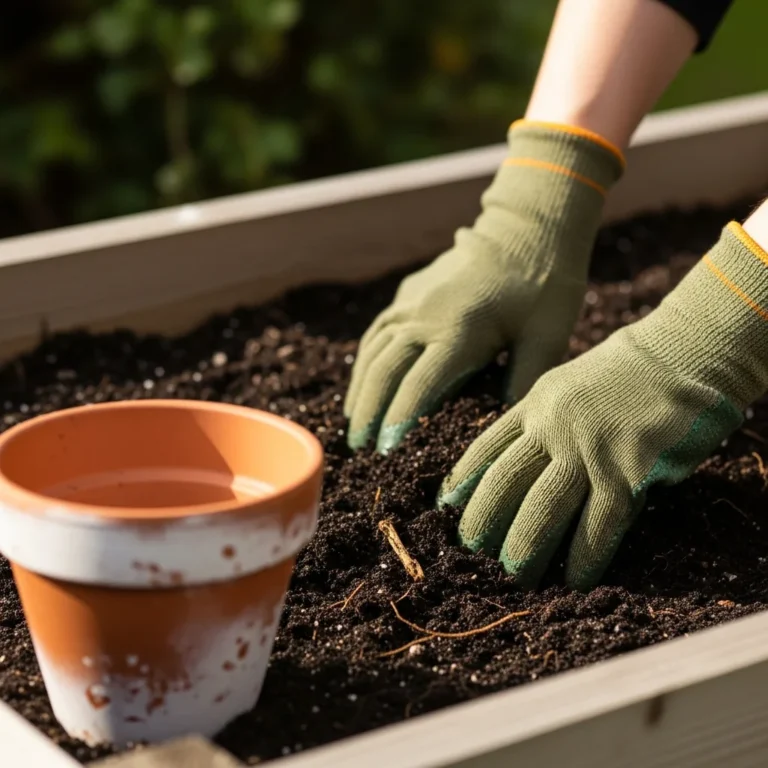
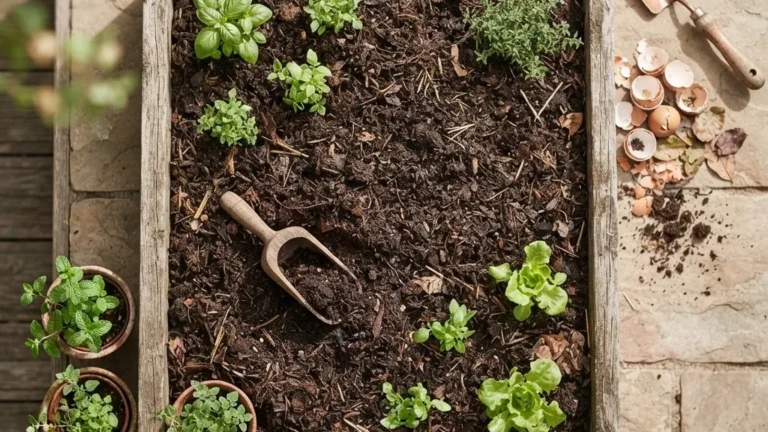
- Prepare Your Soil: Herbs prefer well-draining soil. If planting in the ground, amend heavy clay soil with compost. For containers, use a good quality potting mix. Good drainage prevents root rot, which many herbs dislike.
- Planting Time: Sow seeds directly in the garden after the last frost date for your area. For transplants, gently loosen the root ball before planting. Space plants according to their mature size, as indicated on the plant tag or seed packet.
- Watering Wisely: Water your herbs when the top inch of soil feels dry. Avoid overwatering, as this is a common mistake that can lead to root rot. Container herbs may need watering more frequently than those in the ground.
- Harvest Regularly: Frequent harvesting encourages plants to produce more leaves and grow bushier. Snip leaves and stems as needed, but avoid taking more than one-third of the plant at a time. Early morning is often the best time to harvest for peak flavor.
Common Herb Growing Myths Debunked
Myth: All herbs need to be watered daily.
Reality: This isn’t true for most herbs. Overwatering is a leading cause of herb death. Many herbs, especially Mediterranean varieties like rosemary and thyme, prefer their soil to dry out between waterings. Always check the soil moisture before reaching for the watering can.
Myth: You can plant any herb anywhere.
Reality: While many herbs are adaptable, they have specific needs. Most herbs require full sun and well-draining soil. Some, like mint, can be incredibly invasive and should be contained in pots or specific garden areas to prevent them from taking over. Researching each herb’s preferences is crucial.
Myth: Herbs don’t need fertilizer.
Reality: While herbs generally don’t need heavy feeding, they do benefit from some nutrients, especially when grown in containers or depleted soil. A light feeding with an organic fertilizer a couple of times during the growing season can improve vigor and leaf production. Penn State Extension notes that proper fertilization is key for healthy growth [https://extension.psu.edu/herbs-for-the-home-gardener].
Myth: You must buy special herb soil.
Reality: You don’t necessarily need a special “herb soil.” Most herbs do well in a standard potting mix for containers or in amended garden soil. The key is ensuring good drainage. Adding perlite or sand to potting mix can improve drainage if needed.
What to Track in Your Herb Garden
- Sunlight Exposure: Note how many hours of direct sun each herb receives daily.
- Soil Moisture: Check the soil moisture level every 1-2 days, especially for container herbs.
- Leaf Color: Observe for any significant yellowing, browning, or spotting.
- Growth Rate: Track how quickly your herbs are growing and producing new leaves.
- Pest Activity: Regularly inspect leaves and stems for any signs of common garden pests.
- Harvest Yield: Keep a rough count of how much you’re harvesting to gauge plant health and productivity.
- Watering Schedule: Note when and how much you water each herb.
Frequently Asked Questions About Herbs
What are the easiest herbs for beginners?
For beginners, basil, chives, mint, parsley, and oregano are excellent choices. They’re forgiving, grow relatively quickly, and don’t demand highly specialized care. Mint is very easy but can spread aggressively, so container growing is often recommended.
How often should I water my herbs?
Watering frequency depends on the herb, climate, and container size. As a general rule, water when the top inch of soil feels dry to the touch. Herbs like rosemary and thyme prefer drier conditions, while basil and parsley appreciate consistent moisture.
Can I grow herbs indoors year-round?
Yes, many herbs can be grown indoors. You’ll need a sunny windowsill that gets at least 6 hours of light, or you may need to supplement with grow lights. Ensure good drainage and avoid overwatering, which is common in indoor settings.
What does it mean when my herb leaves turn yellow?
Yellow leaves can indicate several issues. It might be overwatering, underwatering, or a nutrient deficiency, particularly nitrogen. Check your watering habits first. If the soil is consistently too wet or too dry, adjust accordingly. If drainage is good and watering is appropriate, consider a light feeding with an organic fertilizer.
How do I stop my herbs from getting leggy?
Leggy growth, where stems become long and thin with few leaves, usually means the plant isn’t getting enough light. Move it to a sunnier spot or use grow lights. Regular pinching and harvesting also encourage bushier growth. Don’t be afraid to trim them back!
Are there any herbs that are toxic to pets?
Yes, some common garden herbs can be toxic to pets. For instance, rosemary and mint can cause stomach upset in large quantities. It’s crucial to consult the ASPCA’s toxic plant database before planting if you have cats or dogs that might access your garden. Always err on the side of caution.
Enjoying Your Herb Harvest
Growing herbs is a journey, and like any gardening adventure, it involves learning and adapting. Don’t be discouraged if a plant doesn’t thrive right away. Pay attention to your plants, use the information from trusted sources like the cooperative extension, and you’ll soon have a flourishing herb garden. Remember, even experienced gardeners have had plants that didn’t make it. Enjoy the process and the delicious rewards!