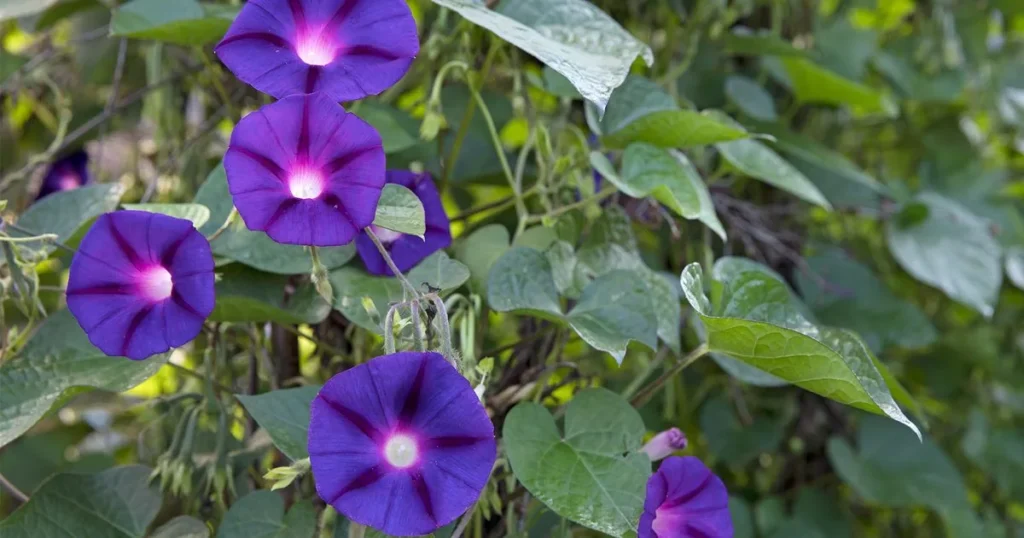
What Are Easy Annual Flowers?
Quick version: Easy annual flowers grow from seed, bloom beautifully, and then die within a single growing season, so you’ll replant them each year. They’re perfect for adding instant garden color and filling bare spots. Think petunias, marigolds, zinnias, and impatiens. These varieties forgive beginner mistakes, tolerate various conditions, and bloom continuously without complex care. They thrive in full sun or partial shade, depending on the type, and you can easily find them as young plants or seeds at garden centers. Planting annual flowers is a straightforward way to achieve a beautiful, dynamic garden display with minimal long-term commitment.
Annual flowers are a fantastic way to add instant color to your garden. They complete their life cycle in one year, meaning you get a fresh canvas each spring. But choosing the right ones can feel overwhelming (vegetable garden).
This guide focuses on easy annual flowers that bring big rewards with minimal fuss. I’ve killed my share of plants, so I know what works for busy backyard gardeners. We’ll cover what makes them great, how to plant them, and what to watch out for.
We’re sticking to what you can realistically grow in a typical backyard. This isn’t a deep explore botany, but practical advice rooted in university extension research. Let’s get your garden blooming!
Why Annual Flowers Are a Gardener’s Best Friend
As a backyard gardener, I love annual flowers because they provide immediate gratification. You plant them, and bam! Instant color. Unlike perennials that take years to establish, annuals give you a full season of blooms. They’re perfect for filling in spaces left by spring bulbs or creating striking container arrangements. Plus, they’re incredibly versatile. You can change your garden’s look every year without a huge commitment.
University extensions across the country highlight their ease of use. For instance, the University of Illinois Extension notes that annuals are often chosen for their long blooming periods and bright colors, making them ideal for adding continuous visual interest to landscapes ([extension.illinois.edu](https://extension.illinois.edu/flowers/annuals)). They can tolerate a wider range of soil conditions than many perennials, too. This forgiving nature means fewer headaches for us home gardeners. They’re also great for attracting pollinators. Many common annuals, like sunflowers and zinnias, serve as excellent food sources for bees and butterflies. This is a huge win for garden biodiversity.
The fact that you looked this up means your garden is in good hands. Annuals are truly a low-barrier entry into gardening. They teach you about sun, water, and soil without demanding years of patience. I learned this the hard way by trying to grow fussy shrubs first. Starting with annuals is a much smoother path to garden success and enjoyment.
When to Plant Annual Flowers
Knowing when to plant your annual flowers is crucial for their success. Timing depends heavily on your local climate and the specific type of annual you’re growing. Many annuals are sensitive to frost, so waiting until all danger has passed is key.
Worth watching:
- Soil Temperature: Many warm-season annuals, like marigolds and zinnias, won’t germinate or grow well until the soil temperature consistently reaches at least 60°F (15.5°C). You can test this with a simple soil thermometer.
- Last Frost Date: The most important factor is your area’s average last frost date. For most annuals, plant after this date. Check your local cooperative extension office for specific dates for your region.
- Seed Packet Instructions: Always read the seed packet or plant tag. It provides the best guidance for that specific variety. Some might suggest starting seeds indoors a few weeks before the last frost.
- Daylight Hours: As days lengthen and temperatures warm, plants naturally respond. Waiting for these cues ensures they get the best start.
- Rainfall Patterns: While you’ll water, consistent natural rainfall helps establish young plants. Planting during a period of moderate, consistent rain can be beneficial.
Worth calling an expert:
- Uncertainty About Frost: If you’re unsure about your area’s last frost date or if there’s a chance of a late cold snap, it’s safer to wait or protect young plants.
- Severe Weather Forecast: A sudden severe storm or prolonged unusually cold period after planting could damage or kill tender annuals.
- Pest or Disease Identification: If you suspect a serious pest or disease problem on your newly planted annuals that you can’t identify, consult your local cooperative extension for diagnosis. This is especially true if you suspect an invasive species.
- Soil Contamination Concerns: If you have reason to believe your garden soil might be contaminated (e.g., near an old industrial site, lead paint chips), get it tested before planting. Your local extension office can guide you on soil testing procedures.
For most gardeners, the best approach is to wait until after the last frost date for your hardiness zone. The Almanac provides planting calendars that can help you pinpoint the right time based on your location ([almanac.com](https://www.almanac.com/when-plant-flowers)).
How to Plant and Care for Annual Flowers
- Choose Your Location: Most annual flowers need at least 6-8 hours of direct sunlight daily. Before you buy plants or sow seeds, observe your garden to find the sunniest spots. Some annuals, like impatiens, can tolerate partial shade, but lively blooms are usually best achieved with ample sun.
- Prepare the Soil: Annuals aren’t as fussy as some plants, but they do appreciate good soil. Amend your garden beds with compost or well-rotted manure. This improves drainage and adds nutrients. Aim for a soil depth of at least 6-8 inches. If planting in containers, use a quality potting mix. Good soil is the foundation for healthy plants.
- Planting Seeds or Transplants: If using seeds, follow the packet instructions for depth and spacing. Many annuals can be sown directly into the garden after the danger of frost has passed. If buying transplants (young plants), gently remove them from their containers. Loosen any circling roots. Plant them at the same depth they were in the pot, ensuring the soil level is even with the base of the stem. Space them according to tag recommendations to allow for mature growth.
- Water Thoroughly: After planting, water your new annuals deeply. This helps settle the soil around the roots and reduces transplant shock. For the first few weeks, keep the soil consistently moist but not waterlogged. As plants establish, you can gradually reduce watering frequency. Check the soil moisture by sticking your finger about an inch deep; if it feels dry, it’s time to water.
- Mulch for Moisture and Weed Control: Apply a 2-3 inch layer of organic mulch around your annuals. This helps retain soil moisture, suppresses weeds, and regulates soil temperature. Keep the mulch a little away from the plant stems to prevent rot. Good mulch options include shredded bark, compost, or straw.
- Fertilize as Needed: Most annual flowers benefit from occasional feeding to maintain consistent blooms. Use a balanced, water-soluble fertilizer every 4-6 weeks, following the product’s instructions. Over-fertilizing can lead to lush foliage but fewer flowers. Penn State Extension suggests that for continuous bloom, regular feeding is often necessary for annuals ([extension.psu.edu](https://extension.psu.edu/plant-identification-and-usage-annuals-and-biennials)).
- Deadhead Spent Blooms: To encourage more flowers and keep plants looking tidy, remove faded blooms regularly. This process, called deadheading, prevents the plant from putting energy into seed production. Simply pinch or snip off the spent flower just above a set of leaves or a side bud.
Common Myths About Annual Flowers
Myth: Annual flowers are too much work and don’t last long enough to be worthwhile.
Reality: While they only last one season, annual flowers provide continuous, beautiful color from planting until frost. Their short lifespan means you can experiment with different colors and varieties each year. They are often easier to care for than perennials and offer instant impact, making them a rewarding choice for many gardeners.
Myth: You must start annual flowers from seed indoors weeks before planting.
Reality: Many annual flowers are readily available as young plants (transplants) at garden centers. You can also sow seeds directly into the garden bed after the last frost date. Starting seeds indoors is an option for some varieties to get a head start, but it’s not a requirement for success with most easy annuals.
Myth: All annual flowers need full, blazing sun all day long.
Reality: While many popular annuals, like marigolds and petunias, thrive in full sun (6+ hours daily), others like impatiens and begonias prefer partial shade or dappled light. Always check the plant tag or seed packet for specific light requirements to ensure you place them in the right spot in your garden.
Myth: Once an annual flower stops blooming, it’s finished for the season.
Reality: Many annuals will continue to produce flowers if you deadhead them. This means removing the spent blooms before they go to seed. If you don’t deadhead, the plant diverts energy into producing seeds rather than more flowers. Regular deadheading is key to extending the bloom time of many annual varieties.
Myth: Annual flowers are not good for attracting pollinators.
Reality: Many common annual flowers are excellent for pollinators. Varieties like sunflowers, zinnias, cosmos, and borage are highly attractive to bees, butterflies, and other beneficial insects. Planting several annuals can significantly support local pollinator populations. The University of Minnesota Extension highlights many pollinator-friendly annuals ([extension.umn.edu](https://extension.umn.edu/landscapes-pollinators/annual-flowers-pollinators)).
What to Track for Healthy Annual Flowers
Keeping an eye on a few key things will help your annual flowers thrive and ensure you can provide them with the right care. Here’s a simple checklist:
- Bloom Count: Note when flowers start appearing and how prolific they are. If blooming slows significantly, it might be time to fertilize or deadhead.
- Leaf Color: Healthy leaves are typically green. Yellowing leaves can indicate overwatering, underwatering, or nutrient deficiency. Brown or crispy edges might mean too much sun or not enough water.
- Growth Rate: Observe how quickly your plants are growing. Are they bushy and full, or leggy and stretched out? Leggy growth often signals insufficient light.
- Pest Sightings: Regularly inspect leaves and stems for common pests like aphids, spider mites, or slugs. Early detection makes control much easier.
- Soil Moisture: Stick your finger about an inch into the soil. If it feels dry, water. If it feels damp, wait. This prevents over or underwatering.
- Watering Frequency: Keep a rough log of how often you water, especially during dry spells. This helps you understand your plants’ needs and adjust your routine.
- Deadheading Schedule: Make a note of when you last deadheaded. Consistent deadheading is key to continuous blooms for many annual varieties.
- Sun Exposure: Confirm your plants are still getting the amount of sun they need. Sometimes nearby plants grow and cast more shade than before.
Frequently Asked Questions About Annual Flowers
Are annual flowers truly ‘easy’ to grow?
Yes, most popular annual flowers are considered easy because they grow quickly and provide blooms throughout the season with basic care. They are forgiving of minor mistakes in watering or feeding, making them ideal for beginners. Their predictable life cycle also means less long-term planning compared to perennials.
Can I plant annual flowers in pots and containers?
Absolutely! Annual flowers are fantastic for containers, window boxes, and hanging baskets. They add instant color and can be moved around to fill bare spots or create focal points. Ensure containers have drainage holes and use a good quality potting mix, as container plants dry out faster than those in the ground.
How often should I water annual flowers?
Watering needs vary based on weather, plant size, and container vs. garden planting. Generally, check the soil moisture daily, especially during hot weather. Water deeply when the top inch of soil feels dry. Container plants may need watering daily or even twice daily in extreme heat. Consistent moisture is key, but avoid soggy soil, which can lead to root rot.
What’s the difference between annual flowers and perennial flowers?
Annual flowers complete their entire life cycle-from germination to blooming to seed production-within a single growing season and then die. Perennial flowers live for more than two years, typically blooming each year. Annuals provide instant, season-long color, while perennials offer long-term structure and return year after year, often requiring more patience to establish.
When is the best time to buy annual flowers?
The best time to buy annual flowers is typically in the spring, after the danger of frost has passed in your area. Garden centers stock a wide variety of annuals then. Buying when plants are healthy and well-established at the nursery will give them a good start in your garden.
Can I grow annual flowers in shady areas?
Yes, many annual flowers thrive in partial shade or even full shade. Look for varieties like impatiens, begonias, coleus, and fuchsias. These plants provide beautiful color and texture in areas that don’t receive 6-8 hours of direct sunlight. Always check the plant tag for specific shade tolerance information.
How do I make my annual flowers bloom more?
The most effective way to encourage more blooms is by deadheading regularly. This involves removing spent flowers before they form seeds. Additionally, using a balanced fertilizer throughout the growing season can provide the nutrients plants need to produce more flowers. Ensuring they receive adequate sunlight and water also plays a big role.
Enjoying Your Colorful Annual Garden
Annual flowers are a truly rewarding choice for any gardener, especially if you’re looking for quick, beautiful results. They bring season-long color and attract beneficial pollinators to your yard. Remember that a little attention to planting time, watering, and deadheading goes a long way.
Don’t be afraid to experiment with different varieties each year. If you encounter persistent problems or aren’t sure about a specific issue, your local cooperative extension office is a fantastic resource. Happy planting!