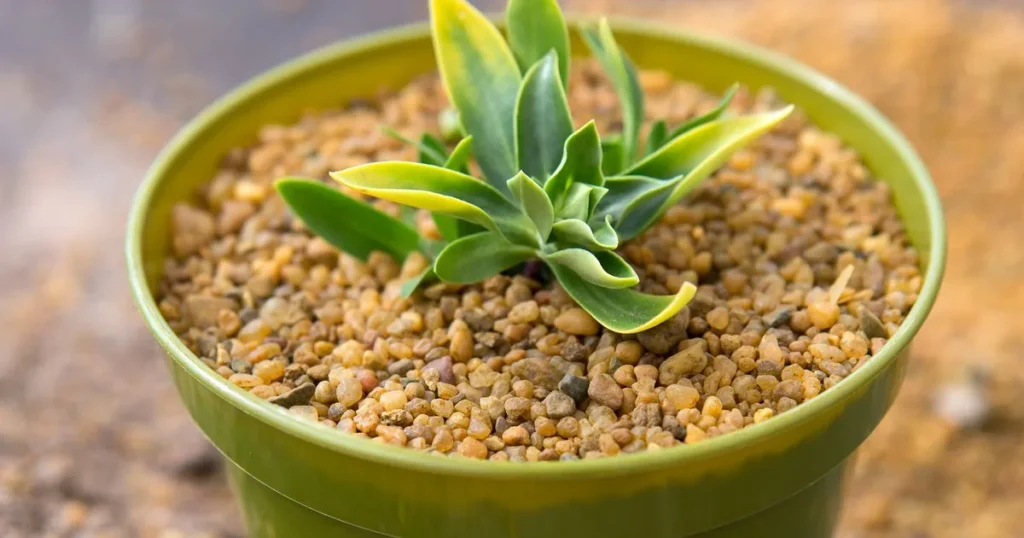
What Are Alpine Plants?
Short answer: Alpine plants are a diverse group of vascular plants that have evolved to survive in harsh, high-elevation environments above the treeline. They typically feature small, compact growth habits, dense foliage, and lively flowers that bloom during a short growing season. Key characteristics include tolerance for cold, wind, and poor, well-drained soil. Growing alpine plants successfully means mimicking these challenging conditions in your garden, particularly focusing on excellent drainage and ample sunlight. They are perfect for rock gardens, troughs, or even container gardening (vegetable garden).
Alpine plants are fascinating, aren’t they? They’re the tough-as-nails survivors from high mountain peaks. You might be wondering if these hardy plants can actually thrive in your backyard. I’ve killed my fair share of finicky plants, so I know the struggle is real. this guide covers help you understand what makes alpine plants special. We’ll cover their unique needs and how to pick the right ones for your garden. It’s not about becoming a botanist; it’s about bringing a bit of that wild, high-elevation beauty home. We won’t cover every single species, but we’ll give you a solid foundation.
Why Grow Alpine Plants in Your Backyard?
Bringing alpine plants into your garden offers a unique aesthetic and a rewarding growing experience. These aren’t your average garden dwellers; they’re survivors. They come from environments where most plants can’t even dream of growing. Think windswept peaks and rocky slopes. The fact that you looked this up means your garden is in good hands. They’ve developed incredible adaptations to handle extreme cold and intense sun. This resilience translates into low-maintenance beauty for your landscape. Many alpine plants stay compact, making them ideal for smaller spaces or rock gardens. Their lively blooms often appear in early spring or summer, providing color when other plants are just waking up. Plus, their unique forms and textures add depth and interest. They can make a stunning visual statement, evoking the grandeur of mountain scenery right outside your door. The U.S. National Park Service notes that alpine tundra ecosystems are fragile and unique, and bringing some of their inhabitants home can be a way to appreciate this wild beauty. You’re essentially creating a miniature mountain ecosystem.
Alpine Plant Care: When to Watch and When to Act
Caring for alpine plants is different from your typical garden fare. They have specific needs that mimic their native high-altitude homes. Understanding these needs helps you know when a plant is just being an alpine plant and when it might need intervention.
Worth watching:
- Slow growth in spring: Many alpine plants are slow to emerge and grow. If your plant looks dormant well into spring, it might just be its natural pace. Wait a few more weeks before worrying.
- Small leaf size: Don’t expect big, lush leaves. Most alpine plants have small, often dense foliage. This is an adaptation to reduce water loss in harsh conditions.
- Short blooming period: Their spectacular flowers often appear for a limited time. Enjoy the burst of color when it happens; it’s a sign of a healthy plant.
- Well-drained soil preference: If you’ve planted them in a gritty mix, they’ll likely be happy. Observing that water doesn’t sit around the roots is key.
- Sun-loving nature: Most alpine plants crave full sun. If yours is getting at least 6 hours of direct sunlight daily, it’s probably thriving.
Worth calling an expert:
- Wilting despite adequate moisture: If the soil is moist but the plant is wilting, it could indicate root rot or another serious issue. This warrants a call to your local cooperative extension office for diagnosis.
- Sudden yellowing or browning of leaves: While some browning can be normal for certain species in winter, rapid or widespread discoloration suggests a problem beyond normal dormancy.
- Signs of fungal disease: Powdery mildew, black spots, or mushy stems are not typical for healthy alpines and might require expert advice for treatment, especially if widespread.
- Pest infestation: While generally pest-resistant, severe infestations of aphids, slugs, or other common garden pests can overwhelm a plant. If you can’t identify or control it, consult an expert.
- Plant ID uncertainty before chemical application: If you’re unsure of the plant species and suspect a pest or disease, get a positive ID before applying any treatments. Your extension office can help with this.
Remember, the key to alpine plants is mimicking their natural environment: sharp drainage and many sun. If those conditions are met, watchfulness is often all that’s needed.
How to Plant and Care for Alpine Plants
- Choose the Right Location: Select a spot that receives at least six hours of direct sunlight daily. Alpine plants generally don’t like shade. They also need excellent air circulation to prevent fungal issues. Avoid planting them in overly damp or humid areas of your garden.
- Ensure Superior Drainage: This is non-negotiable for alpine plants. Their roots will rot quickly in soggy soil. Use a gritty, well-draining potting mix. A good blend might include equal parts potting soil, coarse sand, and perlite or pumice. For rock gardens, ensure the site itself drains well, perhaps by amending the soil deeply with gravel.
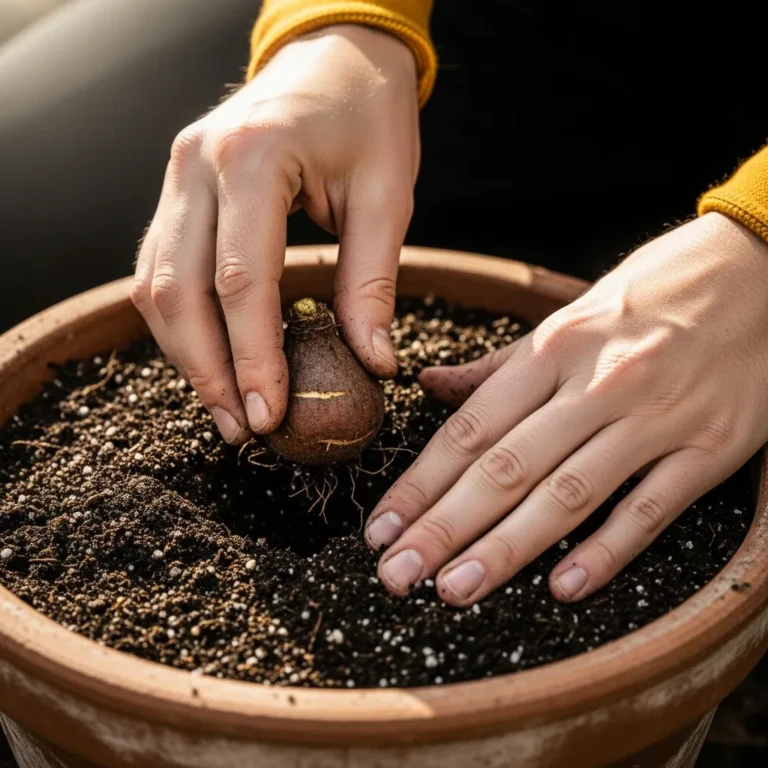
- Planting Your Alpines: Dig a hole that’s about as deep as the plant’s root ball and twice as wide. Gently remove the plant from its nursery pot, taking care not to disturb the roots too much. If the roots are tightly bound, you can gently tease them apart. Place the plant in the hole so the top of the root ball is level with the surrounding soil. Backfill the hole with your amended soil.
- Watering Wisely: Water thoroughly immediately after planting. After that, water only when the top inch or two of soil feels dry. Overwatering is the quickest way to kill most alpine plants. They prefer to dry out slightly between waterings. Reduce watering significantly in the fall as temperatures cool.
- Mulching (Carefully): A light top-dressing of gravel or small stones around the base of the plant can be beneficial. This helps keep the crown dry and deters slugs. Avoid heavy organic mulches that can retain too much moisture. This mimics the rocky terrain they’re used to.
- Fertilizing Sparingly: Alpine plants generally require very little fertilizer. Too much can lead to weak, leggy growth that’s prone to disease. If you feel the need to fertilize, use a diluted, balanced liquid fertilizer once in the spring when active growth begins. Less is definitely more here.
- Winter Protection: In colder climates, some alpine plants may benefit from winter protection. A layer of mulch (like gravel) around the crown can help prevent heaving from freeze-thaw cycles. Ensure good drainage is maintained even in winter. Some gardeners move potted alpines to a cold, unheated garage or cold frame.
Debunking Alpine Plant Myths
Myth: Alpine plants are only for rock gardens.
Reality: While they excel in rock gardens, alpine plants can thrive in many other situations. Consider trough gardens, shallow containers, or even crevices in retaining walls. Their compact size and drainage needs make them versatile for various garden styles. You just need to ensure they get good drainage and sun.
Myth: All alpine plants are tiny and bloom only once.
Reality: The term ‘alpine’ refers to their native habitat, not necessarily their size or bloom habit. While many are small and have a distinct blooming season, some species can grow larger and have a longer flowering period. Always research the specific variety you’re interested in.
Myth: Alpine plants are extremely difficult to grow.
Reality: They can be challenging if you try to grow them in the wrong conditions. The key is understanding their need for excellent drainage and many sun. Once you provide those, many alpine plants are surprisingly resilient and low-maintenance. I learned this the expensive way by trying to grow them in soggy garden beds.
Myth: You need a special, expensive soil mix for alpines.
Reality: While a specialized mix is best, you can create your own effective blend. Combining your regular potting soil with grit, perlite, or pumice in roughly equal parts usually provides the necessary drainage. The Royal Horticultural Society (RHS) confirms that good drainage is critical, achieved through sharp materials. You don’t need fancy ingredients, just the right texture.
Observing Your Alpine Plants
Keeping an eye on your alpine plants helps you understand their needs and catch potential problems early. Since they’re often slow growers and have unique adaptations, regular observation is key. Here’s what to look for:
- Soil Moisture Levels: Check the top inch of soil. Is it dry, slightly moist, or wet? This tells you when to water.
- Leaf Color and Texture: Look for lively green or appropriate seasonal colors. Any sudden yellowing, browning, or wilting could signal an issue.
- Growth Rate: Note if growth is slow and steady (normal) or if the plant seems stunted or is growing leggy.
- Flowering Progress: Track when buds appear, when they open, and how long the blooms last. This helps you anticipate their bloom cycle.
- Pest Presence: Regularly inspect leaves and stems for any signs of common garden pests like aphids, slugs, or spider mites.
- Drainage Performance: After watering, observe how quickly the soil dries out. If water pools, drainage is insufficient.
- Sun Exposure: Ensure the plant is receiving adequate sunlight throughout the day. Note if leaf edges are scorching, which might mean too much intense sun.
- Crown Health: Check the base of the plant (the crown) where the stem meets the soil. It should be dry and free from rot or mushiness.
Frequently Asked Questions About Alpine Plants
What’s the difference between alpine plants and rock garden plants?
While often used interchangeably, ‘alpine’ specifically refers to plants native to high-altitude regions above the treeline. Rock garden plants are those that grow well in rocky conditions, which often include alpine species, but can also include plants from other habitats that tolerate similar well-drained, sunny environments.
Can I grow alpine plants in containers?
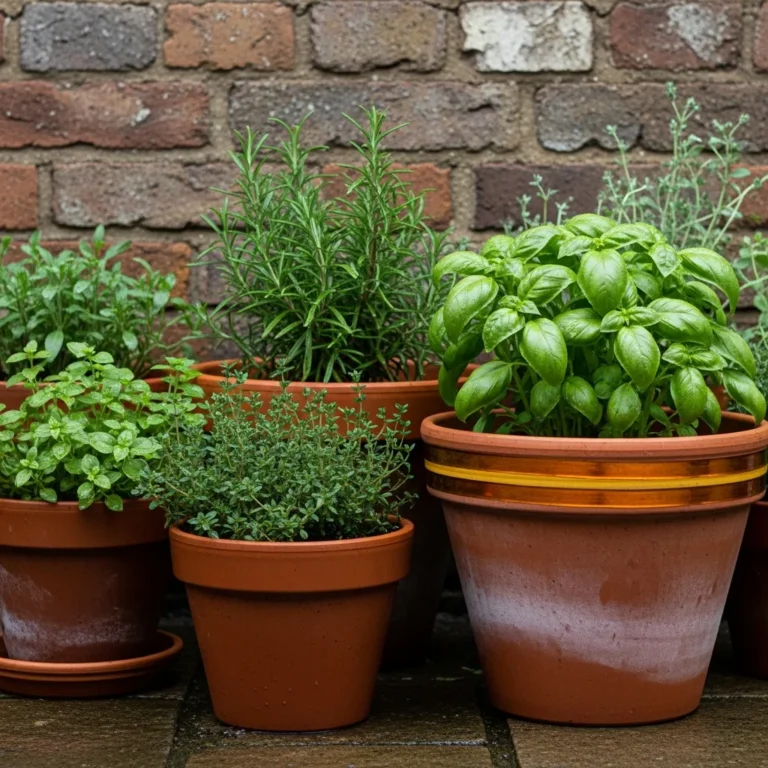
Absolutely! Containers are an excellent way to grow alpine plants, especially if your garden soil doesn’t offer the sharp drainage they need. Use a gritty, well-draining potting mix and ensure the container has drainage holes. Troughs and shallow pots work particularly well.
When is the best time to plant alpine plants?
The best time to plant alpine plants is typically in the spring or early fall. Planting during these cooler, milder seasons allows the plants to establish their roots before the extreme heat of summer or the harsh cold of winter sets in. Early fall planting gives roots time to settle before the ground freezes.
Do alpine plants need winter protection?
Some do, depending on your climate zone. Many are incredibly cold-hardy, but the danger often comes from wet conditions and freeze-thaw cycles that can heave them out of the ground. A top-dressing of gravel around the crown can help protect them. In very wet or cold regions, moving potted alpines to a sheltered location like a cold frame or unheated garage might be necessary.
Are alpine plants suitable for beginners?
Yes, with the right approach. If you can provide excellent drainage and many sun, many alpine plants are quite forgiving. Start with easier varieties and focus on mimicking their natural habitat. Don’t be discouraged if a plant doesn’t make it; learning what works in your specific garden is part of the process.
What are some easy-to-grow alpine plants?
Great beginner options include many varieties of Sedum (stonecrop), Sempervivum (hens and chicks), and some hardy Dianthus. Creeping Thyme varieties also do well. These plants are generally tolerant of a range of conditions as long as drainage is superb.
Can alpine plants tolerate drought?
Once established, many alpine plants are quite drought-tolerant. Their small leaves and compact growth help them conserve water. However, they still need regular watering during their active growing and flowering seasons, especially if grown in containers which dry out faster.
Embrace the Alpine Beauty
Growing alpine plants can be incredibly rewarding. They bring a unique charm and resilience to the garden. Remember, it’s all about providing that sharp drainage and ample sunshine they crave. Don’t be afraid to experiment! I’ve certainly learned a lot from my own gardening successes and failures. If you’re ever unsure about a persistent problem, or if you suspect a serious issue like toxicity to pets, reaching out to your local cooperative extension office or a certified horticulturalist is always a smart move. Happy gardening!