What Exactly Are Shrubs?
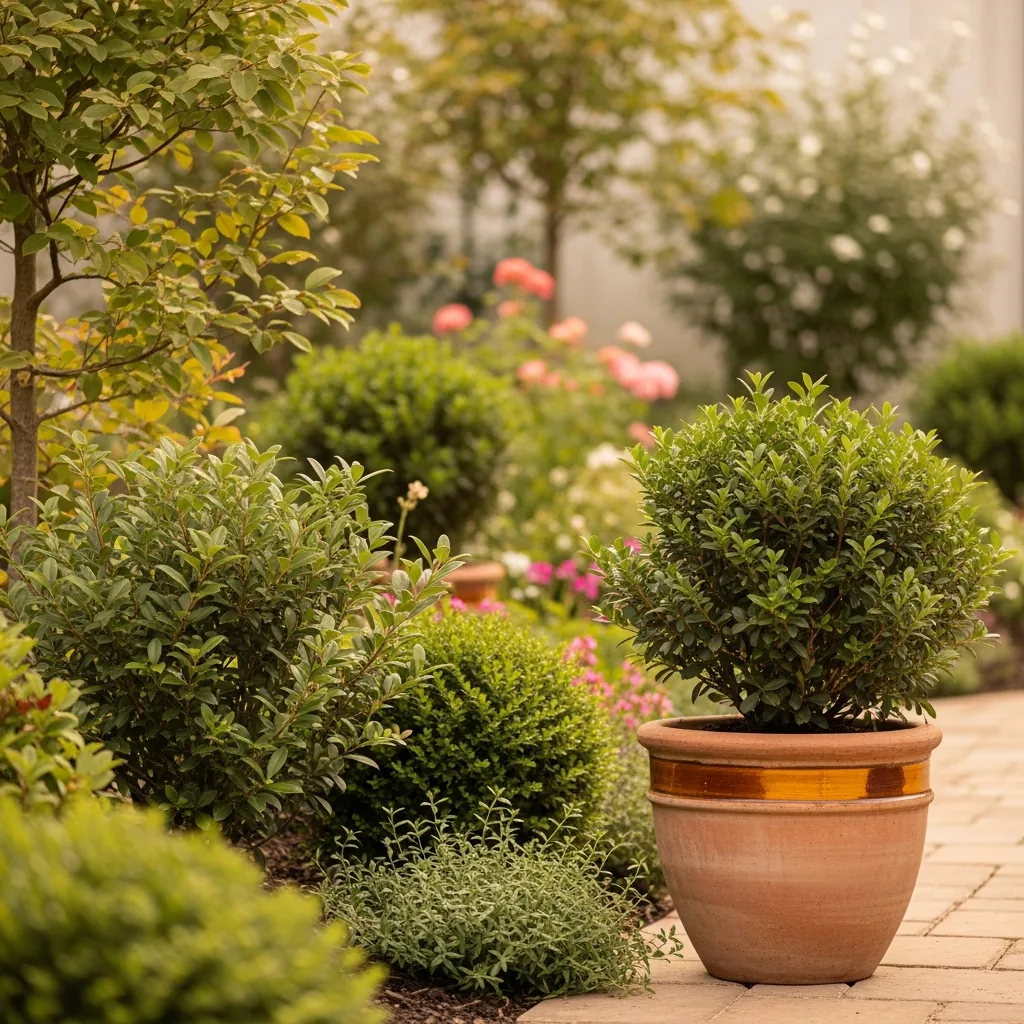
Quick version: Shrubs are woody plants, smaller than trees, with multiple stems branching from near the ground. They’re versatile garden workhorses, providing structure, privacy, wildlife habitat, and seasonal interest. Unlike herbaceous plants that die back each year, shrubs maintain their woody stems through winter. Choosing the right shrubs depends on your climate, soil, and desired function, whether it’s privacy, attracting pollinators, or adding color. Always consider their mature size and needs before planting your chosen shrubs. These plants are key to a beautiful landscape (berry growing).
When you think about backyard plants, shrubs often come to mind. They’re the backbone of many landscapes, offering structure and beauty. But what exactly are shrubs, and why are they so important? I’ve killed my fair share of plants, so I learned a lot about what works.
This guide dives into the world of shrubs. We’ll explore their defining characteristics, the many roles they play in a garden ecosystem, and how you can pick the best ones for your space. We won’t cover every single species, but you’ll get a solid understanding of these essential garden plants.
Why Shrubs Matter in Your Backyard
Shrubs are more than just filler plants; they’re vital components of a healthy backyard ecosystem. They provide essential structure and year-round interest. Think of them as the sturdy framework for your garden design. They can create privacy screens, define garden beds, or act as focal points. Many shrubs offer beautiful flowers, interesting foliage, or lively fall color. I love how a well-placed shrub can completely change the feel of a space.
Beyond aesthetics, shrubs play a crucial role for wildlife. Their berries and seeds offer food for birds and small mammals. Their dense foliage provides shelter and nesting sites for birds. For example, the National Park Service notes that shrubs are key to supporting biodiversity in various ecosystems. They also help improve air and soil quality. Their root systems help prevent soil erosion. Some research even suggests certain shrubs can help filter pollutants from the air. The U.S. Department of Agriculture highlights the importance of diverse plantings, including shrubs, for ecological resilience. They truly are multi-tasking marvels in the garden.
When to Watch and When to Call an Expert
Understanding when a shrub issue needs your attention versus expert help is key to saving your plants (and your sanity). I’ve definitely learned this the hard way.
Worth watching:
- Slight yellowing on a few lower leaves: This could be natural shedding or a minor nutrient deficiency. Keep an eye on it.
- Minor leaf spot or discoloration: Small spots on a few leaves might just be cosmetic. Monitor for spread or wilting.
- Slow growth: Some shrubs grow slower than others, especially when young. Give them time to establish.
- Occasional pest sightings: A stray aphid or two is normal. Beneficial insects often take care of them.
- Bud drop: Environmental stress or natural thinning can cause some buds to drop. Observe if it’s widespread.
- Seasonal color change: Fall colors are a natural part of the shrub’s cycle. Enjoy the show!
Worth calling an expert:
- Toxicity concerns for pets or children: If you suspect your pet or child has ingested a toxic part of a shrub, contact the ASPCA Animal Poison Control Center immediately. Don’t wait to see symptoms.
- Large shrubs near structures: If a large shrub or small tree grows too close to your house, foundation, or utility lines, consult an ISA-certified arborist. They can assess root spread and structural integrity.
- Widespread wilting or sudden death: If multiple branches or the entire shrub suddenly wilt and die, a serious disease or pest infestation might require professional diagnosis.
- Unidentified plant disease or pest: If you see unusual spots, wilting patterns, or insect activity you can’t identify, and it’s spreading rapidly, contact your local cooperative extension office for identification and treatment advice.
- Suspected soil contamination: If you’re concerned about soil contamination (e.g., near old industrial sites or heavy traffic areas), get a professional soil test through your local extension office.
- Structural pruning on mature trees/large shrubs: For any significant pruning that affects the plant’s structure or could pose a risk, hire an ISA-certified arborist.
Planting and Caring for Your Shrubs
- Choose the Right Shrub: Select plants suited to your hardiness zone and specific site conditions (sun, shade, soil type). Penn State Extension offers great resources on selecting shrubs for your garden. Consider the shrub’s mature size to avoid overcrowding later. Think about what you want the shrub to do: provide privacy, attract pollinators, or offer seasonal color.
- Prepare the Planting Hole: Dig a hole that is two to three times wider than the plant’s root ball, but only as deep as the root ball. This encourages outward root growth. Loosen the soil on the sides of the hole. Proper planting depth is crucial; the top of the root ball should be level with or slightly above the surrounding soil.
- Place the Shrub: Gently remove the shrub from its container. If the roots are circling tightly (root-bound), carefully loosen them or make a few vertical slices with a clean knife to encourage them to spread into the new soil. Place the shrub in the center of the hole.
- Backfill and Water: Fill the hole with the original soil, breaking up any large clumps. Gently firm the soil around the root ball to eliminate air pockets, but don’t compact it too tightly. Water thoroughly immediately after planting to settle the soil and hydrate the roots.
- Mulch Generously: Apply a 2-3 inch layer of organic mulch (like wood chips or shredded bark) around the base of the shrub, keeping it a few inches away from the trunk. Mulch helps retain soil moisture, suppress weeds, and regulate soil temperature.
- Ongoing Care: Water regularly, especially during the first year and dry periods. Fertilize sparingly, if needed, based on soil test results or signs of deficiency. Prune primarily to remove dead, damaged, or diseased wood, or to shape the plant. Different shrubs have different pruning needs; research your specific variety. Many spring-blooming shrubs, for example, should be pruned right after they flower.
- Monitor for Pests and Diseases: Regularly inspect your shrubs for signs of trouble. Early detection makes treatment much easier. Consult resources like the University of Minnesota Extension’s guides on plant diseases for help with identifying issues specific to shrubs.
Common Shrub Myths Debunked
Myth: All shrubs need heavy pruning every year.
Reality: Not all shrubs benefit from annual pruning. Many shrubs, especially those that bloom on old wood (like some lilacs or rhododendrons), should only be pruned lightly after flowering. Over-pruning can reduce blooms and harm the plant’s natural shape. It’s best to research the specific needs of your shrub variety. The Royal Horticultural Society offers detailed advice on pruning different types of shrubs.
Myth: Shrubs are low-maintenance and require no attention.
Reality: While many shrubs are relatively low-maintenance compared to annuals or vegetables, they still need care. This includes proper watering, especially when establishing, occasional feeding if necessary, and monitoring for pests and diseases. Neglect can lead to weak plants that are more susceptible to problems. I learned this when my first few hydrangeas struggled because I didn’t water them enough during a dry spell.
Myth: You can plant shrubs any time of year.
Reality: The best times to plant shrubs are typically in the spring or fall. These seasons offer cooler temperatures and more consistent moisture, which helps plants establish their roots without the stress of extreme heat. Planting in the heat of summer can shock the plant and lead to transplant failure. Clemson University’s Home & Garden Information Center provides excellent guidance on correct planting procedures.
Myth: All shrubs provide food for wildlife.
Reality: While many shrubs are beneficial, not all offer significant food sources. Some have inedible berries, or their flowers don’t attract pollinators. For maximum wildlife benefit, choose native shrubs known for producing abundant berries, seeds, or nectar. The University of Illinois Extension highlights native shrubs that are great for supporting local fauna.
Myth: Shrubs don’t need soil testing.
Reality: Even shrubs can benefit from knowing their soil conditions. Soil pH and nutrient levels affect a plant’s ability to thrive. While many shrubs are adaptable, understanding your soil can help you amend it if necessary, leading to healthier plants and better blooms. Your local cooperative extension office can help you get a soil test.
What to Track for Healthy Shrubs
- Watering Schedule: Note how often you water and how much. This helps you adjust for changing weather and plant needs.
- Soil Moisture: Check moisture levels a few inches below the surface. Is it consistently dry, damp, or waterlogged?
- Leaf Color and Texture: Observe for any unusual yellowing, browning, spotting, or wilting. Note if it affects old or new leaves first.
- Growth Rate: Track how much the shrub grows each season. Is it vigorous, slow, or stunted?
- Bloom Time and Quantity: When do flowers appear? How abundant are they? Do they last long?
- Pest and Disease Activity: Note any insects you see (aphids, scale, borers) or signs of disease (spots, mildew, cankers).
- Fruiting/Berry Production: If applicable, track the amount and timing of fruit or berry development.
- Pruning Dates: Keep a record of when you prune and what you remove.
- Fertilizer Applications: Note when and what type of fertilizer you use.
- New Growth Appearance: Observe the color and vigor of new shoots in spring.
Frequently Asked Questions About Shrubs
What is the difference between a shrub and a bush?
Technically, there’s often no strict botanical difference. The terms are frequently used interchangeably. Generally, a shrub is considered a woody plant with multiple stems branching from or near the ground. A “bush” might imply a denser, more compact form, but it’s not a formal classification. Many plants we call bushes are botanically classified as shrubs.
How do I choose shrubs for privacy?
For privacy, select shrubs that grow tall and dense. Consider evergreens for year-round screening, like Arborvitae or certain hollies. Deciduous shrubs can also work if they have a thick branching structure. Look for varieties known to grow quickly and reach a mature height suitable for your needs. Check plant tags and descriptions carefully for mature size and density.
When is the best time to prune shrubs?
The best time depends on when the shrub blooms. Shrubs that bloom on old wood (flowering in spring from last year’s growth) should be pruned right after they finish flowering. Shrubs that bloom on new wood (flowering in summer or fall from the current year’s growth) can be pruned in late winter or early spring before new growth begins. Always remove dead, damaged, or diseased branches anytime you see them.
What does “woody plant” mean for shrubs?
A “woody plant” simply means the plant has a hard, sturdy structure made of wood, rather than being soft and herbaceous. Shrubs have persistent woody stems that remain alive above ground during the dormant season (winter). This is a key characteristic that distinguishes them from perennials, which typically die back to the ground each year.
Can I plant shrubs too close together?
Planting shrubs too close together is a common mistake that leads to problems. Overcrowding restricts air circulation, which can promote diseases. It also limits each plant’s access to sunlight, water, and nutrients. Always check the mature width of the shrub and space them accordingly, allowing room for them to grow to their full size. Your local cooperative extension can provide guidance on spacing for specific species.
What are the signs of a stressed shrub?
Signs of a stressed shrub can include wilting even when the soil is moist, yellowing or browning leaves, stunted growth, leaf drop, increased susceptibility to pests, or poor flowering. Stress can be caused by too much or too little water, poor soil conditions, extreme temperatures, disease, or pest infestations. Observing these signs early can help you address the underlying issue.
Embracing the Versatility of Shrubs
Shrubs are truly foundational plants for any backyard garden. They offer so much more than just greenery. From providing privacy and habitat to adding seasonal beauty, their contributions are immense. Don’t be afraid to experiment with different types. Remember, I learned a lot through trial and error, so embrace the learning process. If you ever encounter a situation that feels beyond your comfort level, like identifying a serious disease or dealing with a large plant near your home, don’t hesitate to reach out to the experts. Your garden will thank you for it.