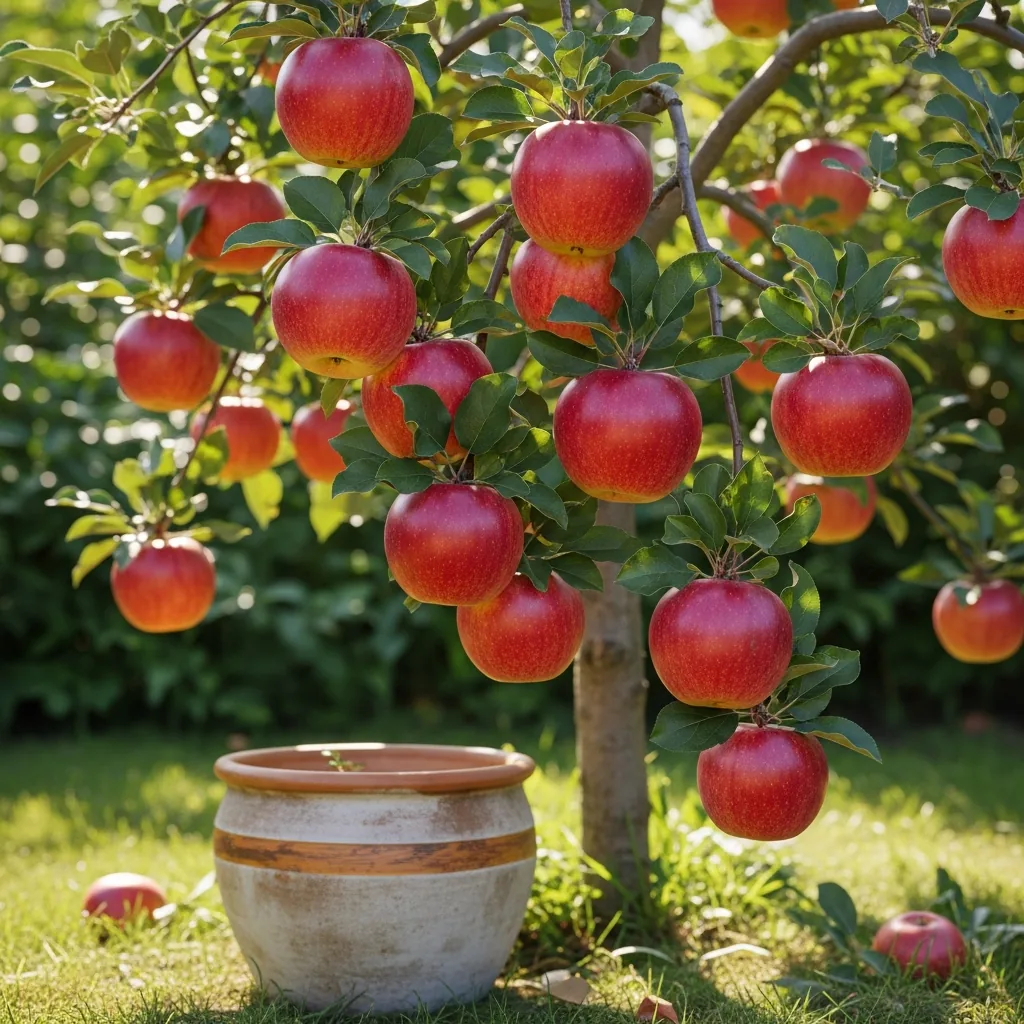
Quick Guide to Semi Dwarf Apple Trees
Quick version: Semi dwarf apple trees are a great choice for home gardeners. They reach about 12-15 feet tall, making them easier to manage. This size allows for easier harvesting and pruning. You can often fit two or three semi dwarf trees in a space where one standard tree would grow. They typically start producing fruit in 3-5 years. Choosing the right rootstock is key to their final size. For pollination, most need a different apple variety nearby. Proper care involves good soil, sun, and regular pruning to maintain shape and fruit production (berry growing).
Choosing the right apple tree can feel overwhelming. You want delicious fruit without a giant tree taking over your yard. That’s where semi dwarf apple trees come in. They offer a fantastic balance for backyard growers. this guide covers help you understand what semi dwarf means for your garden. We’ll cover how to pick the best varieties and care for them. I’ll share what I’ve learned from my own garden mistakes and successes, backed by expert advice.
This isn’t a guide to large-scale orchards or advanced grafting techniques. We’re focusing on what works for most home gardeners. You’ll get practical tips for getting the most out of your semi dwarf apple trees. Let’s grow some amazing apples together!
Why Semi Dwarf Apple Trees Matter for Home Gardeners
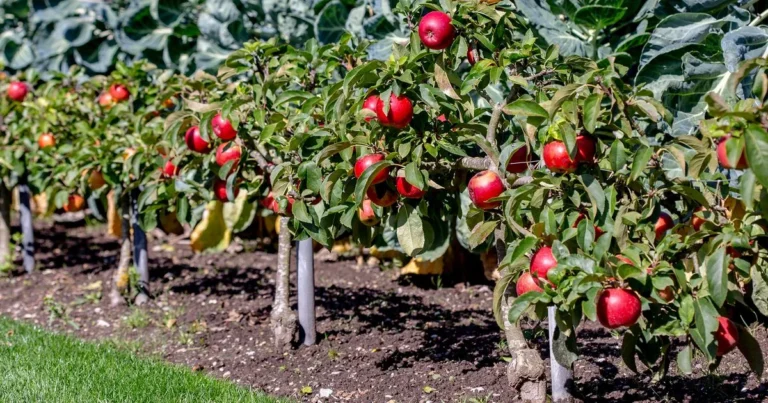
As a backyard gardener, I know space is often a big consideration. Standard apple trees can grow 20-30 feet tall and wide. That’s many tree for a suburban lot! Semi dwarf varieties offer a smart solution. They typically mature between 12 to 15 feet. This manageable size means you can grow more than one type of apple. Imagine picking Honeycrisp and Fuji from your own yard! The smaller stature also makes harvesting much easier. No more risky ladder climbs. Pruning becomes less of a chore, too. You can reach most branches with simple pruning tools.
The University of Minnesota Extension notes that dwarf and semi-dwarf trees are popular for home orchards. They require less space and are easier to care for than standard trees. This makes them ideal for beginners. You get the joy of homegrown apples without the overwhelming scale of a commercial orchard. Plus, the quicker fruiting time is a big plus. Waiting years for your first apple harvest can be tough. Semi dwarf trees often start producing fruit within 3 to 5 years after planting. This means delicious apples sooner!
When to Watch and When to Call an Expert for Your Semi Dwarf Apples
When you’re growing fruit trees, knowing when to step in and when to seek professional help is crucial. I’ve learned this the hard way, letting small issues become big problems.
Worth watching:
- Slight yellowing on older leaves: This can sometimes indicate a need for nitrogen. Observe if new growth looks healthy.
- A few chewed leaves: Many common pests leave minor damage. Monitor for increased activity or visible insects.
- Small, underdeveloped fruitlets: Thinning fruit is a normal part of apple tree care. If you have too many small apples, thin them out.
- Leaf curl on new growth: Sometimes this is just environmental stress. Keep an eye on new leaves for signs of disease.
- Minor branch dieback at tips: This can be due to weather or minor disease. Prune away dead tips and watch for spread.
Worth calling an expert:
- Signs of disease spreading rapidly: Look for large patches of spots, cankers, or wilting that covers a significant portion of the tree.
- Unusual insect infestations: If you see large numbers of a pest you don’t recognize, or if pests are overwhelming the tree.
- Large branches cracking or breaking: This indicates structural weakness. An ISA-certified arborist can assess and advise on safety.
- Concerns about soil contamination: If you’re unsure about your soil’s history or suspect contamination, contact your local cooperative extension office for soil testing.
- Planting near utilities or structures: For any significant pruning or if you’re concerned about root systems near foundations, consult an arborist.
- Identifying unknown diseases or pests: If you can’t identify a problem, a professional can help prevent costly mistakes.
Step-by-Step Care for Semi Dwarf Apple Trees
- Choose the Right Variety and Rootstock: Select an apple variety suited to your climate (check your USDA hardiness zone). The rootstock determines the final size. Semi dwarf rootstocks like Malling 26 or Malling 7 are common. Research which rootstocks are best for your region. The University of Illinois Extension discusses how rootstock influences tree size and vigor. Semi-dwarf apple rootstocks are essential for controlling size.
- Plant in a Sunny Location: Apple trees need at least 6-8 hours of direct sunlight daily. Choose a spot with good drainage. Avoid planting where water pools after rain. Dig a hole that’s as deep as the root ball but three times as wide. Gently loosen the soil on the sides of the hole.
- Proper Planting Technique: Place the tree in the hole, ensuring the graft union (the swollen knob near the base) is at least 2-4 inches above the soil line. This is critical for semi dwarf trees. Fill the hole with the original soil, breaking up any large clumps. Water thoroughly to settle the soil and eliminate air pockets.
- Mulch Generously: Apply a 2-3 inch layer of organic mulch (like wood chips or compost) around the base of the tree. Keep the mulch a few inches away from the trunk to prevent rot and pest issues. Mulch helps retain soil moisture, suppress weeds, and regulate soil temperature.
- Water Consistently: Young trees need regular watering, especially during their first few years and dry spells. Aim for about 1 inch of water per week, delivered deeply. Check soil moisture by sticking your finger a few inches down; if it feels dry, it’s time to water.
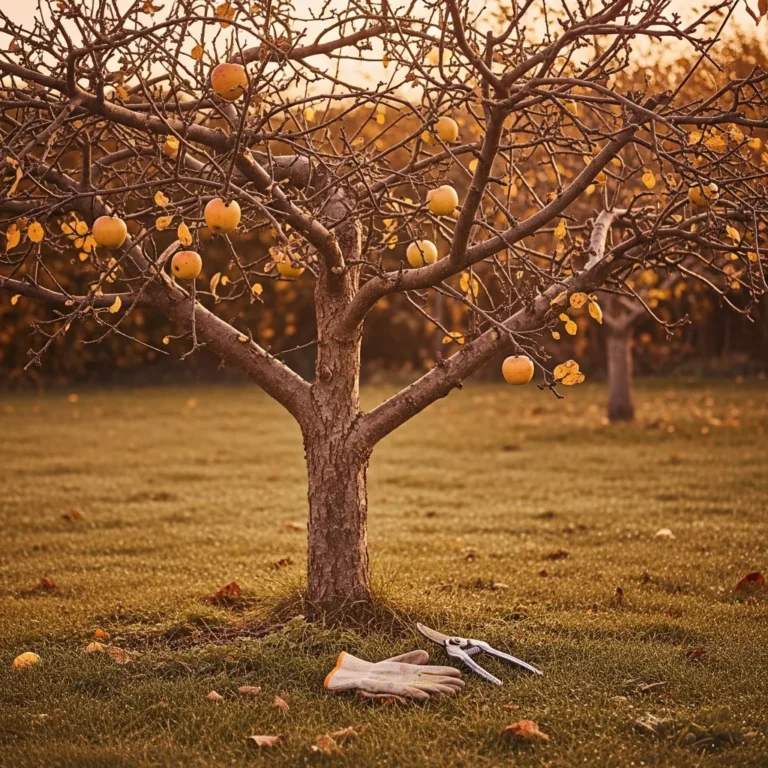
- Prune Annually: Pruning is vital for shape, fruit production, and tree health. For semi dwarf trees, prune in late winter or early spring before new growth begins. Remove dead, damaged, or crossing branches. Aim for an open, vase-like shape to allow sunlight and air circulation. You’re essentially training the tree to stay within its semi dwarf size.
- Pollination: Most apple varieties are not self-pollinating. You’ll need a second apple tree of a different variety nearby that blooms at the same time. Check with your local nursery or extension office for compatible pollinators for your chosen variety. This ensures good fruit set.
Common Myths About Semi Dwarf Apple Trees
Myth: Semi dwarf trees are naturally small and don’t need pruning.
Reality: While they are smaller than standard trees, semi dwarf varieties still require annual pruning. This training is essential to maintain their size, encourage fruit production, and promote good tree structure. Without pruning, they can grow larger than intended and become less productive. The rootstock dictates the potential size, but pruning refines it.
Myth: You only need one semi dwarf apple tree to get fruit.
Reality: Most apple trees, including semi dwarf types, require cross-pollination. This means you need at least two different apple varieties blooming at the same time in your vicinity. Without a pollinator, you’ll get very little, if any, fruit. Check with your local cooperative extension office for recommended pollinator partners for your specific apple variety.
Myth: Semi dwarf trees produce smaller, lower-quality fruit.
Reality: The size of the fruit is determined by the apple variety, not the rootstock. Semi dwarf trees often produce fruit of the same quality and size as standard trees of the same variety. In fact, better light penetration due to the smaller size can sometimes lead to improved fruit color and flavor.
Myth: You can plant any apple tree anywhere.
Reality: Apple trees have specific needs, including chilling hours (the number of hours below 45°F needed for proper budding). Different varieties require different amounts of chill. Your local climate and USDA hardiness zone are critical factors in selecting an apple variety that will thrive. Planting an inappropriate variety is a common mistake.
What to Track for Healthy Semi Dwarf Apple Trees
- Planting Date: Note when you planted the tree. This helps track its establishment period.
- Watering Schedule: Record how often and how much you water, especially during dry periods.
- Pruning Dates: Keep track of when you prune and what you remove.
- Bloom Time: Note when the tree flowers. This is important for pollination.
- Fruit Set: Observe when fruit begins to form after flowering.
- Harvest Date: Record when you pick your apples.
- Pest/Disease Observations: Document any unusual spots, chewing, or insect sightings. Include photos if possible.
- Leaf Color and Vigor: Note the general health of the foliage – is it green and lush, or yellowing and sparse?
- Fruit Size and Quality: Track the size, color, and flavor of the harvested apples.
- Chilling Hours: If you live in a marginal climate, note if your area is meeting the chilling requirements for your variety.
Frequently Asked Questions About Semi Dwarf Apples
What is the difference between dwarf, semi dwarf, and standard apple trees?
The main difference is their mature size, which is controlled by the rootstock. Standard trees are the largest, growing 20-30 feet tall. Semi dwarf trees mature around 12-15 feet. Dwarf trees are the smallest, typically 8-10 feet. The rootstock also affects how quickly the tree bears fruit and its disease resistance. The University of Minnesota Extension explains these size differences well.
How far apart should I plant semi dwarf apple trees?
For semi dwarf trees, you generally want to plant them 15-20 feet apart. This spacing allows enough room for their mature canopy and ensures good air circulation, which helps prevent diseases. If planting multiple rows, space rows about 20-25 feet apart. Always check the specific recommendations for your chosen variety and rootstock.
When is the best time to plant a semi dwarf apple tree?
The best time to plant is usually in the late fall or early spring when the tree is dormant. Fall planting allows the roots to establish over winter before the demands of spring growth. Spring planting works well too, but you’ll need to ensure consistent watering throughout the first summer. Avoid planting during extreme heat or when the ground is frozen.
How do I know if my semi dwarf apple tree is getting enough sun?
Apple trees need at least 6 to 8 hours of direct sunlight per day. Signs of insufficient sun include weak, leggy growth, sparse foliage, and poor fruit production or quality. If your tree is constantly shaded or surrounded by taller trees/structures, it might not be getting enough light. The leaves should be a healthy green color.
Can I grow a semi dwarf apple tree in a large pot?
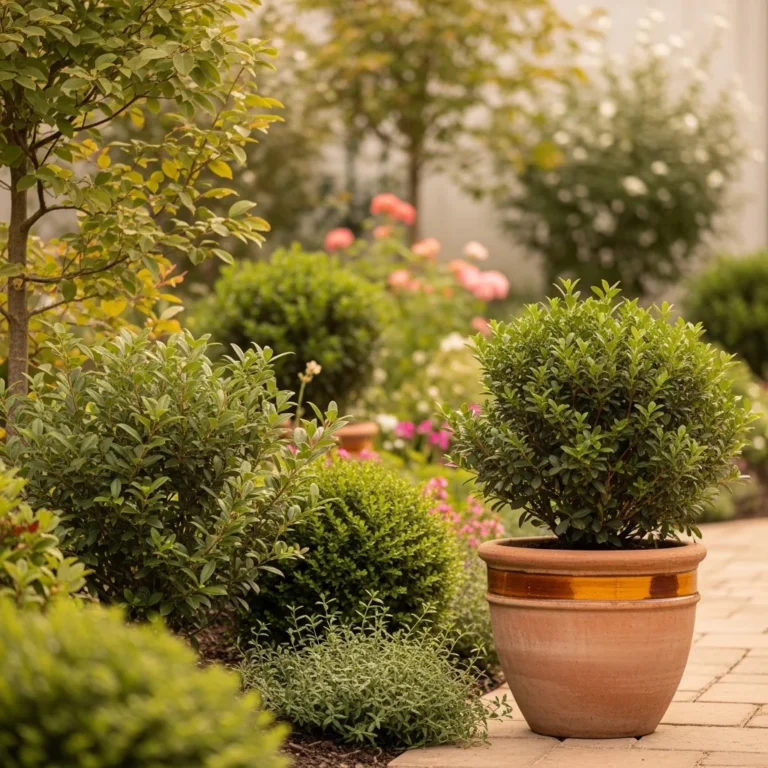
Yes, it’s possible to grow semi dwarf apple trees in large containers, especially if you choose a variety specifically suited for container growing or a very dwarfing rootstock. You’ll need a pot at least 20-25 gallons in size. Use a good quality potting mix, ensure excellent drainage, and be prepared for more frequent watering and fertilizing. The University of Illinois Extension offers great advice for container gardening.
What are the signs of root rot in a semi dwarf apple tree?
Root rot often appears as general decline. Symptoms include yellowing leaves that may wilt even with adequate watering, stunted growth, branch dieback, and sometimes a foul smell from the soil. Poor drainage is the primary cause. Ensure your planting site has good drainage, and if you suspect root rot, consult your local cooperative extension office for diagnosis and management strategies.
Enjoying Your Homegrown Apples
Growing your own apples is incredibly rewarding. Semi dwarf trees make this goal much more achievable for most home gardens. Remember to choose wisely, plant correctly, and provide consistent care. Don’t be afraid to prune – it’s your best tool for managing size and promoting fruit. If you ever feel unsure about a pest, disease, or structural issue with your tree, reaching out to your local cooperative extension office or an ISA-certified arborist is always a smart move. Happy apple growing!