Quick Guide to Backyard Fruits
Quick version: Growing delicious backyard fruits offers fresh, healthy food right outside your door. Start by selecting varieties suited for your climate and space, like berries or dwarf fruit trees. Proper planting, consistent watering, and good soil are key. Many fruits need full sun and well-drained soil. Consider pollination needs for trees like apples. Regular care prevents most common issues. The USDA Food Buying Guide offers great info on fruit types and their nutritional value.
Selecting the right plants for your backyard fruits is a crucial first step. Remember to consider your local climate. Berries are often the easiest for beginners. Dwarf fruit trees are excellent for smaller yards or even containers. Providing adequate sunlight and well-draining soil will set you up for success. Consistent watering, especially during establishment and fruiting, is also vital.
Growing your own backyard fruits is totally doable. I learned this the hard way, starting with a few sad-looking berry bushes. This guide covers the basics for your home garden. We’ll focus on common backyard fruits anyone can grow. It’s not about complex botany, just practical steps for your patch.
We’ll help you choose the right plants and give them the care they need. You’ll learn about planting, tending, and harvesting your delicious bounty. It’s about making your garden productive and fun, even if you’re just starting out.
This guide isn’t for commercial growers or advanced horticulturalists. It’s for us home gardeners. We’ll rely on trusted sources like university extensions and USDA guides to keep things simple and effective.
Why Growing Backyard Fruits Matters
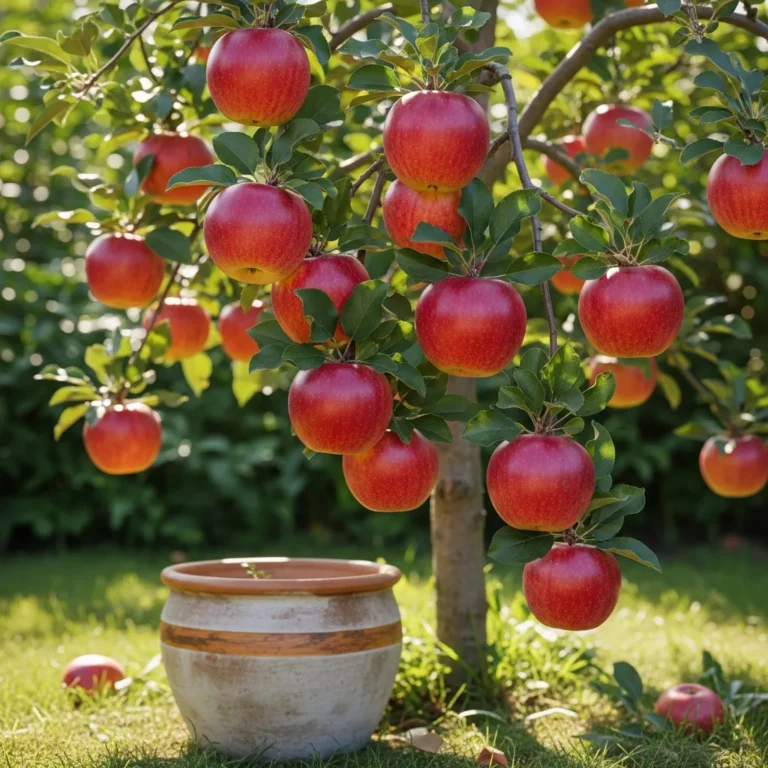
Bringing backyard fruits into your garden is incredibly rewarding. You get the freshest possible produce. Think sun-warmed strawberries or crisp apples right from the branch. It connects you to your food source. Plus, many fruit plants are beautiful additions to your landscape. They attract pollinators like bees and butterflies, too. Growing your own can also be more economical than buying organic. You control what goes into your soil and onto your fruit.
The United States Department of Agriculture (USDA) promotes fruit consumption for good health. They provide resources on selecting and growing various fruits. For example, they offer guidance on nutritional benefits and storage. This helps ensure you maximize the value of your harvest. You’re not just growing food; you’re cultivating health and beauty in your yard.
When to Wait and When to Act
Sometimes, your backyard fruits just need a little patience. Other times, you need to step in quickly.
Worth watching:
- Slight yellowing on older leaves: This might be normal as the plant sheds old growth or a sign of minor nutrient deficiency.
- Slow initial growth: Young plants often take a season to establish their root systems before showing vigorous top growth.
- A few spots on leaves: Minor blemishes can occur due to weather or slight pest activity. Monitor for spread.
- Delayed fruiting: Some plants, especially trees, take 2-3 years to mature enough to produce fruit.
- Slight wilting on a hot day: Plants can get thirsty. Check soil moisture before worrying.
Worth calling an expert:
- Sudden, widespread wilting or leaf drop: This indicates a serious issue like root rot or a severe disease.
- Unusual spots or growths on fruit or leaves that spread rapidly: This could be a fungal or bacterial infection requiring specific treatment.
- Signs of significant pest infestation: Large numbers of aphids, scale, or other pests can damage plants severely.
- Suspected toxicity to pets: If you have pets and are unsure if a plant is safe, contact the ASPCA Animal Poison Control immediately.
- Large trees near structures: For structural pruning or if a tree looks unhealthy and poses a risk, call an ISA-certified arborist.
Step-by-Step Guide to Growing Backyard Fruits
- Choose Your Fruit: Select fruits that grow well in your hardiness zone. Berries like strawberries or blueberries are great for beginners. Dwarf fruit trees are good for smaller spaces. Penn State Extension has a great resource on fantastic fruits suitable for home gardens.
- Find the Right Spot: Most fruits need at least 6-8 hours of direct sunlight daily. Ensure the location has good air circulation and well-drained soil. Poor drainage leads to root problems.
- Prepare the Soil: Amend your soil with compost or well-rotted manure. This improves fertility and drainage. Aim for a soil pH suitable for your chosen fruit. For example, blueberries prefer acidic soil, while most other fruits prefer slightly acidic to neutral. You can check your local cooperative extension office for soil testing and recommendations.
- Plant Correctly: Follow planting depth guidelines for your specific fruit. For trees and shrubs, dig a hole twice as wide as the root ball. Plant at the same depth it was in the nursery pot. Water thoroughly after planting.
- Water Consistently: Keep the soil moist, especially during the first year and during fruiting. Avoid waterlogged conditions. Deep watering encourages strong root growth. Check soil moisture by sticking your finger a couple of inches deep.
- Mulch Around Plants: Apply a 2-3 inch layer of organic mulch (like wood chips or straw) around the base of plants. Keep mulch a few inches away from the trunk or stem to prevent rot and pest issues.
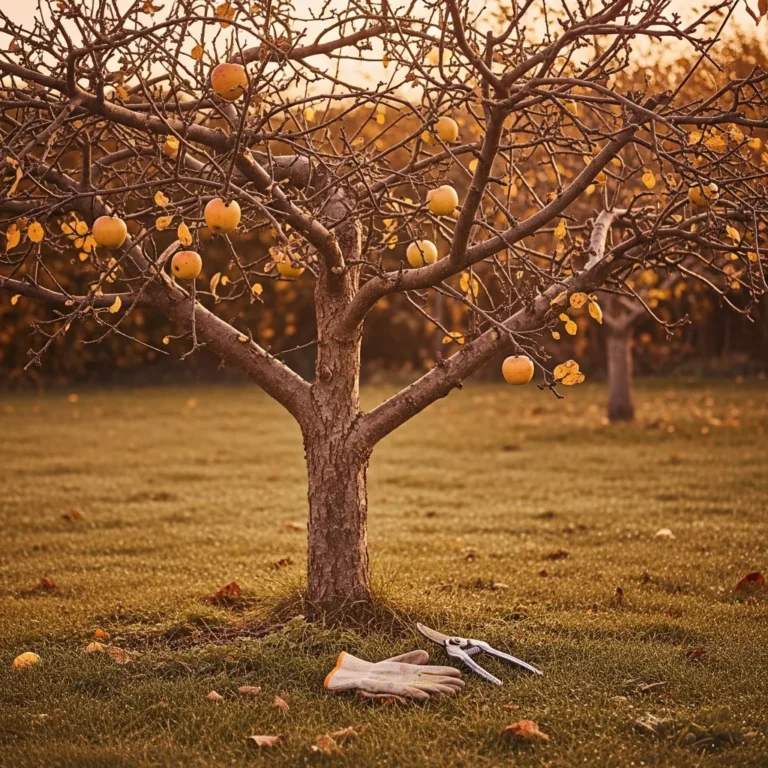
- Prune as Needed: Pruning helps shape plants, remove dead or diseased wood, and improve fruit production. The timing and method vary by fruit type. Consult resources from university extensions for specific pruning advice for your plants.
Common Misconceptions About Backyard Fruits
Myth: All fruit trees need a second tree for pollination.
Reality: Many fruit trees are self-pollinating, meaning one tree can produce fruit on its own. Examples include many apple, cherry, and plum varieties. However, some, like certain apple or pear varieties, require cross-pollination from a different, compatible variety nearby to produce fruit. Always check the specific needs of the variety you choose. The University of Minnesota Extension provides details on fruit development.
Myth: You need a huge yard to grow fruit.
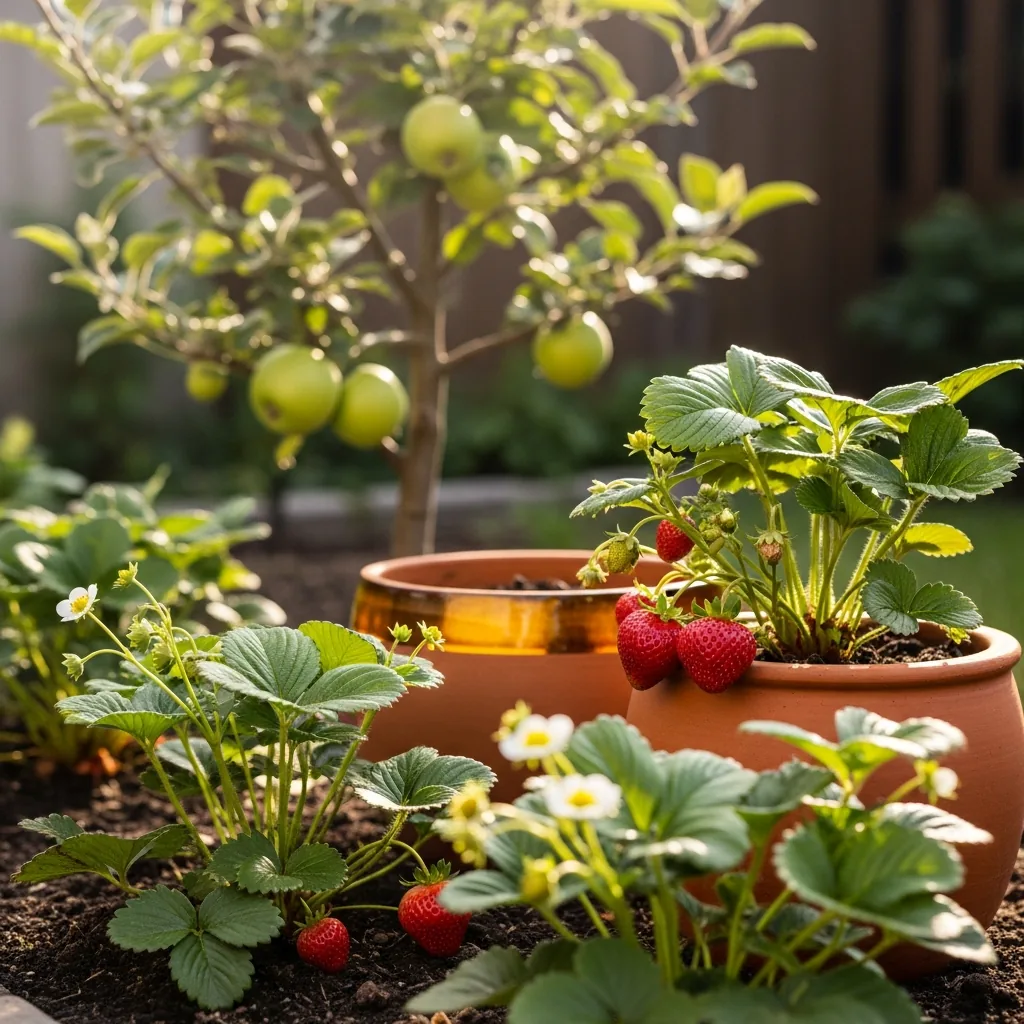
Reality: This isn’t true at all! Many fruits are perfectly suited for small spaces. Berries grow well in containers or small beds. Dwarf fruit trees are bred to stay compact and can even be grown in pots. Vertical gardening techniques also allow you to grow vining fruits like grapes or certain melons in limited areas.
Myth: Fruit plants are always susceptible to pests and diseases.
Reality: While fruit plants can attract pests, choosing disease-resistant varieties and practicing good garden hygiene significantly reduces problems. Proper watering, good air circulation, and timely pruning also help keep plants healthy and less vulnerable. Integrated Pest Management (IPM) strategies can minimize the need for chemical interventions.
Myth: Fruit plants are difficult to care for.
Reality: Some fruits require more attention than others, but many are quite forgiving. Strawberries, for example, are relatively easy to grow and produce quickly. By selecting appropriate varieties for your climate and providing basic needs like sun, water, and decent soil, you can achieve success. You don’t need to be a master gardener to enjoy homegrown fruit.
What to Track in Your Fruit Garden
Keeping notes helps you understand your plants better. It’s also super useful if you need to ask for help. Here’s a checklist of things to observe:
- Planting Date: Note when you planted each fruit for the first time.
- Watering Schedule: Record frequency and amount, especially during dry spells.
- Sunlight Exposure: Document how many hours of direct sun each area receives daily.
- Soil Moisture: Check and note soil dampness regularly, especially around new plantings.
- Leaf Color and Condition: Observe for any yellowing, spotting, or wilting.
- Budding and Flowering: Track when plants start to bud and bloom.
- Fruiting Progress: Note when fruits start to form, ripen, and when you harvest.
- Pest or Disease Signs: Record any sightings of insects or signs of illness.
- Growth Rate: Observe how much the plant grows each season.
- Harvest Yield: Keep track of how much fruit you collect from each plant.
Frequently Asked Questions About Backyard Fruits
What are the easiest fruits to grow in a backyard?
For beginners, berries are often the easiest. Strawberries are fast-growing and productive in small spaces or containers. Blueberries require acidic soil but are otherwise quite hardy. Raspberries and blackberries are also good choices, though they can spread vigorously. Many dwarf fruit trees, like certain apple or peach varieties, are also manageable for home gardeners.
How often should I water my backyard fruit plants?
Watering needs vary by fruit type, climate, and soil. Generally, keep the soil consistently moist but not waterlogged. Young plants and those actively fruiting need more water. Check the soil by digging your finger in a few inches; if it feels dry, it’s time to water. Drip irrigation or soaker hoses are efficient methods. Overwatering can be as harmful as underwatering.
Can I grow fruit trees in containers?
Yes, absolutely! Dwarf fruit trees are specifically bred for container growing. Varieties of apples, peaches, cherries, and citrus can thrive in large pots. Ensure the container has excellent drainage and use a high-quality potting mix. You’ll need to water container plants more frequently than those in the ground. Repotting may be necessary every few years.
When is the best time to plant backyard fruits?
The best time to plant most fruit trees and shrubs is during their dormant season, typically in late fall or early spring. This allows the roots to establish before the heat of summer or the harshness of winter. Planting in fall gives roots a head start. Spring planting is also effective, but you’ll need to be more diligent with watering over the first summer. Berries can often be planted in spring.
What does it mean if my fruit tree leaves are turning yellow?
Yellowing leaves on fruit trees can indicate several things. It might be a sign of nutrient deficiency, particularly nitrogen. It could also mean the plant is getting too much or too little water, or that the soil pH is incorrect. Check your watering habits and soil conditions. If unsure, consult resources from your local cooperative extension office for diagnosis.
How do I protect my fruit from birds?
Birds love ripe fruit just as much as we do! Netting is the most effective way to protect your harvest. Drape bird netting over your fruit trees or berry bushes, ensuring it’s secured so birds can’t get underneath. You can also try reflective tape or scare devices, though birds often get used to these. Harvesting fruit as soon as it ripens is also key.
Enjoying Your Homegrown Harvest
Growing your own backyard fruits is a journey, not a race. Some years will be better than others. Don’t get discouraged if you have a few setbacks. Remember, even experienced gardeners lose plants sometimes. If you encounter serious issues or need help identifying a problem, don’t hesitate to reach out to local experts. Your local cooperative extension office is a fantastic resource for personalized advice.