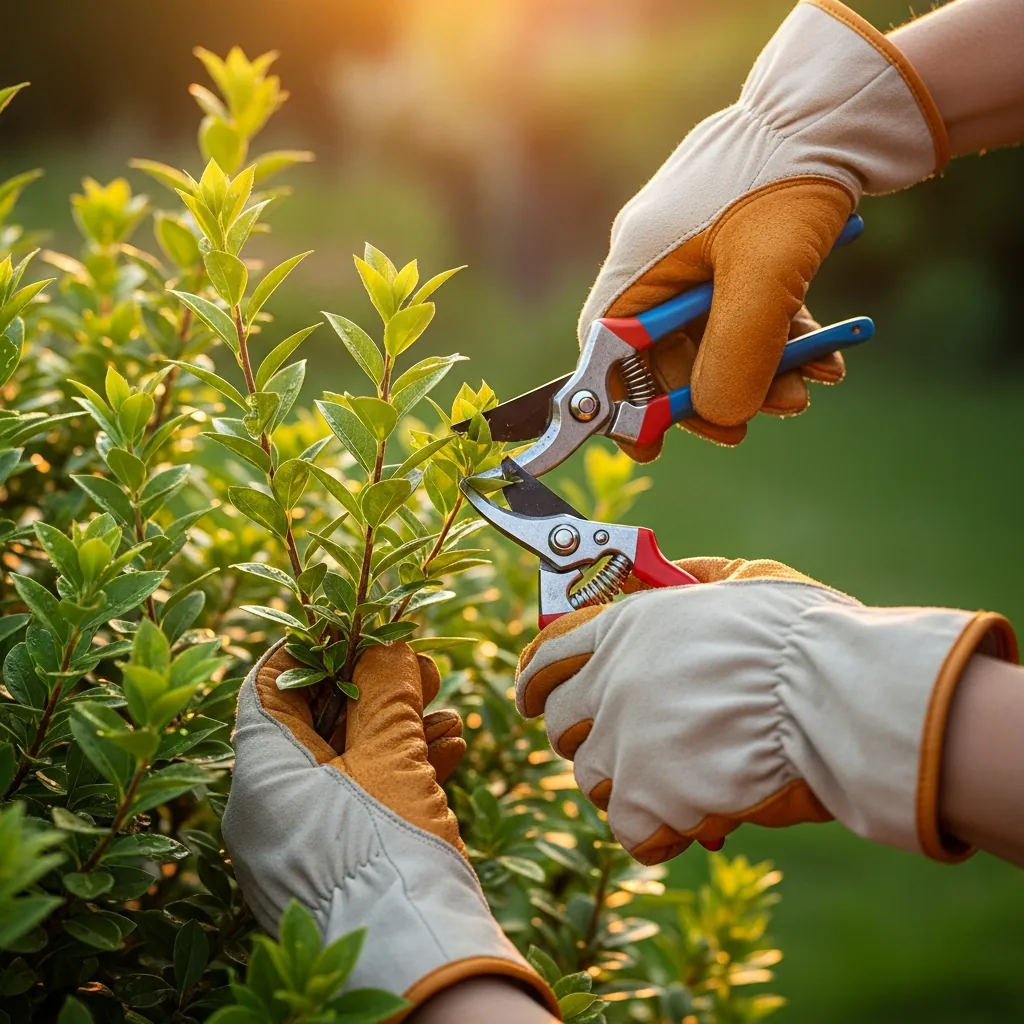
Quick Answer: Pruning Shrubs in Summer
Short answer: You can prune shrubs in summer, but timing is crucial. Generally, prune after flowering for shrubs that bloom on old wood, typically in early to mid-summer. For shrubs that flower on new wood, light summer pruning can encourage more blooms. Always use clean, sharp tools to prevent disease. Avoid heavy pruning on stressed plants, particularly during heatwaves or drought. Removing dead, damaged, or diseased branches is always wise. Check your plant’s specific needs for timing, as some, like certain hydrangeas, react poorly to summer pruning. Knowing when to prune shrubs in summer is key to plant health.
Prune shrubs in summer: it might sound a little counterintuitive. Most of us think about pruning in the cooler months. But sometimes, a little trim in summer can really help your shrubs thrive. I’ve definitely learned this the hard way with a few overzealous cuts in the past.
this guide covers walk you through why and when to prune shrubs during the summer. We’ll cover specific plant types and what to watch for. We won’t get into deep botanical science, but we’ll give you actionable advice based on trusted sources.
Understanding summer pruning helps you maintain plant health and encourage better flowering. It’s all about timing and knowing your plants. Let’s figure out how to give your shrubs the best care when they need it most.
Prune shrubs in summer: Why Pruning Shrubs in Summer Matters
You might wonder if you really need to prune your shrubs during the warmer months. I used to think pruning was strictly a winter or early spring job. That was until I realized some of my plants weren’t blooming well, or they were getting a bit leggy and out of control. Pruning at the right time can make a huge difference in your garden’s appearance and plant health. Learning how to prune shrubs in summer is a valuable skill.
Summer pruning helps manage plant size, improves air circulation, and can even encourage more flowers. For example, removing spent blooms (deadheading) prevents the plant from putting energy into seed production, redirecting it towards creating more flowers. The UMass Extension notes that pruning can happen for various reasons, including improving plant form and removing dead or diseased wood, which is crucial year-round [extension.umass.edu: https://ag.umass.edu/sites/ag.umass.edu/files/pdf-doc-ppt/fs12_pruningshrubs14.pdf]. This timely intervention prevents issues from becoming major problems later on.
It’s not just about aesthetics. Proper pruning can also help prevent diseases by removing overcrowded branches where pests and fungal issues can thrive. The UC IPM Program highlights that pruning for disease control is a key part of integrated pest management. Ignoring summer pruning can lead to overgrown shrubs that are more susceptible to problems, potentially costing you more time and money down the line.
When to Wait and When to Act: Summer Pruning Signals
Deciding whether to prune or leave your shrubs alone in summer is key. Here’s a breakdown of what to watch for:
Worth watching:
- Flowering Shrubs After Blooming: If a shrub blooms on old wood (meaning it sets buds on last year’s growth), prune it right after it finishes flowering in early to mid-summer. Think of early summer bloomers like some hydrangeas or rhododendrons.
- Light Shaping: If a branch is growing awkwardly or sticking out too far, a light trim can tidy up the plant’s appearance. This is usually about removing a few inches, not a major overhaul.
- Deadheading Spent Blooms: Removing faded flowers helps prevent seed formation and encourages repeat blooming on many varieties. This is a simple task that benefits the plant’s energy reserves.
- Controlling Size Gently: If a shrub is just starting to get a bit too big, you can do some light pruning to keep it in check. This is different from heavy rejuvenation pruning.
- Removing Suckers: Some shrubs tend to send up shoots from their base or roots. Consistently removing these helps maintain the plant’s intended shape and vigor.
Worth calling an expert:
- Signs of Pests or Disease: If you see widespread infestations or unusual leaf spots, don’t prune without knowing what you’re dealing with. It could spread the problem. Contact your local cooperative extension office for diagnosis.
- Suspected Plant Toxicity: If you have pets or small children and are unsure about a plant’s toxicity, consult the ASPCA’s toxic plant database before pruning or removing anything. Some plants can be harmful if ingested.
- Large Branches Near Structures: If a large branch on a mature shrub is dead, damaged, or poses a risk to your home or power lines, it’s time to call an ISA-certified arborist. They have the expertise for safe removal.
- Uncertainty About Plant Health: If a shrub looks generally unwell, with widespread yellowing or wilting that isn’t explained by drought, seek advice. It could be a root issue or a soil problem.
- Aggressive or Invasive Species: If you suspect you have an invasive plant that’s spreading rapidly, consult resources like the National Invasive Species Information or your local extension office for proper removal and disposal methods.
Your Step-by-Step Summer Pruning Guide
Ready to give your shrubs a little summer TLC? Here’s how to approach it:
- Identify Your Shrub: First, know what you’re pruning. Does it bloom on new wood (spring/summer flowers) or old wood (late spring/early summer flowers)? This is the most crucial step. Shrubs that bloom on old wood, like lilacs or forsythia, should be pruned immediately after flowering. Those that bloom on new wood, like certain roses or hydrangeas (e.g., ‘Endless Summer’), can tolerate light summer pruning. The Penn State Extension offers detailed plant guides.
- Gather Clean Tools: Make sure your pruners, loppers, or saws are sharp and clean. Dirty or dull tools can spread disease or create ragged cuts that heal poorly. Wipe blades with rubbing alcohol between plants if disease is a concern.
- Prune After Flowering (Old Wood Bloomers): For shrubs that flower on last year’s wood, prune them right after the blooms fade, typically in early to mid-summer. Cut back the flowered stems to a healthy side shoot or a bud. This allows the plant to produce new growth that will form next year’s flowers.
- Light Pruning for New Wood Bloomers: If your shrub blooms on new growth, you can do some light pruning in summer. This might involve trimming back leggy stems or removing spent flowers to encourage a second flush of blooms. Avoid heavy pruning, which can stimulate too much new growth that may not harden off before fall.
- Remove Dead, Damaged, or Diseased Wood: This is important anytime, but especially in summer. Cut out any branches that are clearly dead, broken, or show signs of disease. Make your cuts back to healthy wood or the main stem.
- Address Crossing or Rubbing Branches: Sometimes branches rub against each other, creating wounds. Choose one of the branches to remove, cutting it back to its origin or a strong side branch. This prevents potential entry points for disease.
- Shape and Size Control: If your shrub is outgrowing its space, you can lightly trim it to maintain its size and shape. Aim for natural form rather than a severe ‘haircut’. Remember, less is often more during the growing season.
Common Myths About Summer Pruning
Myth: You should never prune anything in the summer.
Reality: This isn’t true. While major pruning is best left for dormancy, many shrubs benefit from specific summer pruning. This includes deadheading, removing dead or diseased wood, and light shaping. The Clemson University Home & confirms that pruning timing depends heavily on the plant species and its flowering habit.
Myth: All hydrangeas should be pruned in summer.
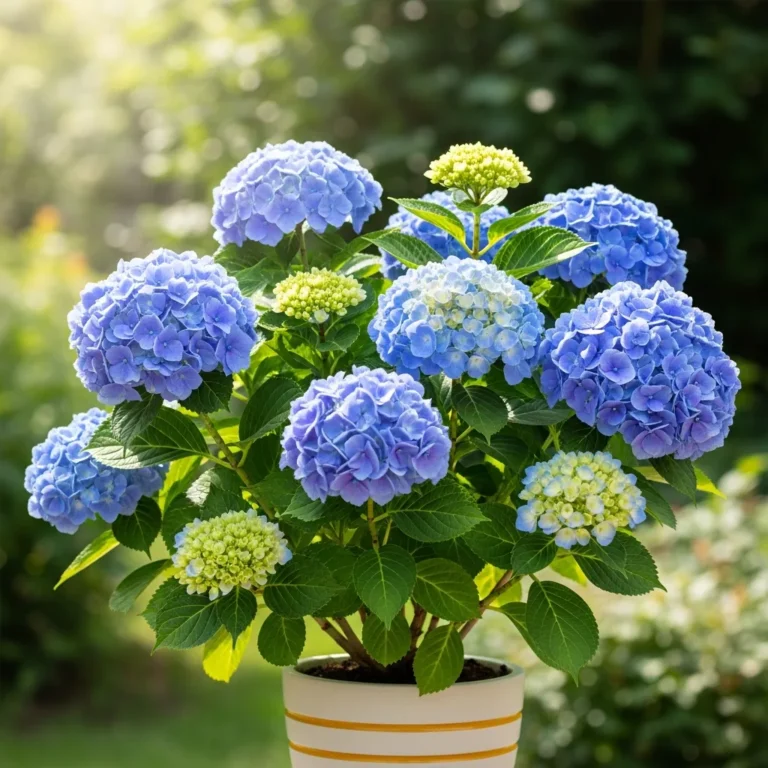
Reality: This is a common mistake! Hydrangeas are tricky. Those that bloom on old wood (like *Hydrangea macrophylla*) should only have spent flowers removed; pruning the stems can remove next year’s flower buds. Hydrangeas that bloom on new wood (*Hydrangea paniculata*, *H. arborescens*) can be pruned in late winter or early spring, but light tidying in summer is okay. Always identify your specific hydrangea type.
Myth: Pruning stresses plants, so avoid it during hot weather.
Reality: While it’s true that plants can be stressed by heat and drought, light pruning of dead or diseased wood is usually beneficial and doesn’t add significant stress. However, avoid heavy pruning or rejuvenation cuts on plants that are already showing signs of wilting or heat stress. Wait until conditions improve, as noted by the University of Illinois Extension.
Myth: You can prune any shrub to control its size in summer.
Reality: You can do light trimming, but drastic size reduction in summer can shock the plant. Heavy pruning stimulates many new, tender growth that may not mature before frost. It’s better to save major size reductions for the dormant season or prune lightly and frequently if needed.
What to Track for Healthier Shrubs
Keeping an eye on your shrubs helps you know when and how to prune. Here’s a simple checklist:
- Bloom Time and Pattern: Note when your shrub flowers and if it blooms on old or new wood. This dictates pruning timing.
- Growth Habit: Observe how the shrub grows. Are branches leggy, crossing, or growing inward?
- Presence of Spent Blooms: Track when flowers fade. Deadheading at this point is beneficial for many plants.
- Signs of Disease or Pests: Look for unusual spots, wilting, leaf discoloration, or insect activity. Document what you see.
- Overall Vigor: Is the plant growing strongly, or does it seem weak and stressed? This affects your pruning decisions.
- Weather Conditions: Be aware of recent rainfall and temperature. Avoid pruning stressed plants during extreme heat or drought.
- New Growth Flush: After pruning, observe how the plant responds. Is it producing healthy new shoots, or is growth weak?
- Tool Cleanliness: Make sure your tools are clean before and during pruning to prevent disease spread.
Frequently Asked Questions About Summer Shrub Pruning
Can I prune my rose bushes in summer?
Yes, you can prune rose bushes in summer. The main pruning is usually done in late winter or early spring. However, in summer, you should deadhead spent blooms regularly. You can also remove any weak, damaged, or diseased canes to keep the plant healthy and encourage continuous blooming.
What happens if I prune too late in summer?
Pruning too late in summer, especially heavy pruning, can stimulate new growth that won’t have enough time to harden off before the first frost. This tender new growth is susceptible to winter damage. It’s generally best to finish major pruning by mid-summer, leaving only light tidying or deadheading for later.
How much can I cut back a shrub in summer?
For most shrubs, summer pruning should be light. Focus on removing dead, damaged, or diseased branches, and deadheading spent flowers. If you need to reduce size, do so gradually over several years or prune only about a quarter of the oldest stems if doing a renewal prune on overgrown shrubs. The RHS advises caution with summer pruning to avoid removing next year’s flower buds on certain plants.
Should I prune evergreen shrubs in summer?
Evergreen shrubs like boxwood or juniper can be lightly pruned in summer to shape them or control size. Avoid heavy pruning, especially late in the season, as it can encourage growth that won’t mature before winter. Pruning after the main flush of spring growth is often ideal. Check specific evergreen types for best practices.
What is the difference between pruning for shape and pruning for health?
Pruning for health involves removing anything dead, diseased, or damaged to prevent problems from spreading and to improve the plant’s overall vigor. Pruning for shape, or aesthetic pruning, is about controlling the plant’s size and form to fit your landscape design. Both are important, but health always comes first.
When should I absolutely NOT prune shrubs in summer?
Never prune shrubs that are severely stressed from drought or extreme heat. Also, avoid pruning shrubs that bloom on old wood very late in summer, as you’ll remove the buds for next year’s flowers. If you’re unsure about a plant’s specific needs, it’s always safer to wait or consult a local gardening expert.
Your Shrubs Will Thank You
Summer pruning isn’t about drastic changes; it’s about thoughtful care. By understanding your plants and observing their needs, you can make informed decisions. A little trim at the right time can lead to healthier, more beautiful shrubs. Remember, if you’re ever unsure, especially regarding potential toxicity or significant structural issues, don’t hesitate to reach out to a professional. Your garden will be better for it!
Sources
- Penn State Extension
- UMass Extension
- Clemson University HGIC
- RHS
- UC IPM Program