Quick Hydrangea Pruning Guide
Quick version: Timing is everything when you prune hydrangeas. Bigleaf and oakleaf hydrangeas bloom on old wood, so prune them right after they flower in summer. Panicle and smooth hydrangeas bloom on new wood; prune these in late winter or early spring before new growth starts. Pruning at the wrong time means fewer or no flowers. Always identify your hydrangea type first. If you’re unsure, it’s safer to prune lightly or just deadhead spent blooms. Proper pruning encourages stronger growth and larger, more abundant blooms for the season ahead.
So, you’re wondering when to prune hydrangeas for the most spectacular flowers? I get it. It feels like a big decision, and honestly, I’ve made my share of pruning mistakes. Getting it right means bigger, better blooms next season. This guide breaks down the common hydrangea types and when they like their haircuts. We’ll cover everything you need to know to avoid those frustrating years with no flowers.
We’re diving into the specifics of pruning hydrangeas, separating the old-wood bloomers from the new-wood bloomers. You’ll learn how to identify them and the best timing for each. This isn’t about complicated horticultural jargon; it’s about practical advice from a fellow gardener who’s learned a lot along the way.
We won’t cover every single hydrangea variety out there, but we’ll tackle the most common ones you’ll find in backyards across the US. My goal is to help you feel confident about your pruning decisions. Remember, even if you’re unsure, there are always safe options. Let’s get those hydrangeas blooming their best!
Why Pruning Hydrangeas Matters for Blooms
Pruning your hydrangeas might seem daunting, but it’s a crucial step for lively blooms. I learned this the hard way when I almost gave up on a ‘Nikko Blue’ because it never flowered. It turns out I was pruning it at the wrong time! When you prune correctly, you encourage healthy new growth. This new growth is where many hydrangeas produce their stunning flowers. Without proper pruning, plants can become leggy and produce fewer, smaller blooms.
Different hydrangeas flower on different wood, meaning they have different pruning needs. For example, Hydrangea macrophylla, often called mopheads or lacecaps, bloom on wood that grew the previous year. If you cut that old wood away in spring, you’re cutting off the flower buds. The National Park Service notes that some plants naturally shed old blooms, which can protect new buds over winter [https://home.nps.gov/blri/learn/nature/showy-blooms.htm]. Understanding this difference is key.
Pruning also helps manage the size of your shrub. It prevents them from becoming overgrown and sprawling messes. A well-pruned hydrangea looks tidier and fits better in your garden design. Plus, it redirects the plant’s energy into producing those big, beautiful flower heads we all love. It’s about shaping the plant for health and aesthetics. this guide covers help you get it right.
When to Prune: Wait and Watch vs. Expert Help
Knowing when to grab your pruners versus when to step back is vital for healthy hydrangeas. Here’s a breakdown to help you decide:
Worth watching:
- Spent flower heads on Bigleaf (H. macrophylla) and Oakleaf (H. quercifolia) hydrangeas: Don’t rush to remove these after blooming. Leave them on through fall and winter. They offer winter interest and protect the new buds developing beneath them. You’ll prune these in early spring.
- Small, weak, or dead stems on any hydrangea: Remove these anytime you see them. Snip them off at the base. They won’t produce good blooms and can harbor pests or diseases.
- Slightly overgrown H. paniculata or H. arborescens: If these look a bit leggy but are still flowering well, you can wait until late winter or early spring to prune them harder.
- Vigorous H. paniculata or H. arborescens that need shaping: Prune these back in late winter or early spring to encourage bushier growth and more flowers. Aim for a framework of strong stems.
- Climbing hydrangeas (H. anomola subsp. petiolaris): These are different. They flower on old wood, so prune them only after they finish flowering in summer. Lightly trim any wayward branches.
- General deadheading: If you just want to tidy up spent blooms on any type and aren’t ready for a full prune, go ahead. Just be sure you’re not cutting off developing buds on old-wood bloomers.
Worth calling an expert:
- Suspected plant disease or pest infestation: If your hydrangea looks seriously ill, with widespread wilting, strange spots, or unusual insect activity that you can’t identify, consult your local cooperative extension office. They can help diagnose the problem and suggest treatments. Find your local office through the Extension Finder tool on extension.org.
- Toxicity concerns for pets: While hydrangeas are generally considered non-toxic to dogs and cats by the ASPCA, some parts might cause mild stomach upset if ingested in large quantities [https://www.aspca.org/pet-care/aspca-poison-control/toxic-and-non-toxic-plants/hydrangea]. If your pet eats a significant amount or shows concerning symptoms like vomiting or lethargy, contact your veterinarian or the ASPCA Animal Poison Control Center.
- Plant identification challenges for chemical application: If you need to apply pesticides or herbicides and aren’t 100% sure of the plant species or the pest, consult your local extension office. They can provide accurate identification and recommend safe, effective solutions. Applying the wrong chemical can harm your plant or beneficial insects.
- Major structural issues or very large, old plants: For significant structural pruning on large, old trees or shrubs, especially if they are near structures or power lines, consult an ISA-certified arborist. They have the expertise to prune safely and effectively without damaging the plant or causing hazards.
- Soil contamination concerns: If you suspect your soil might be contaminated (e.g., near an old industrial site or if you’re seeing very unusual plant growth), a soil test from your local cooperative extension office is the best first step. They can analyze the soil and advise on remediation.
How to Prune Hydrangeas: A Step-by-Step Guide
- Identify Your Hydrangea Type: Before you prune, know what you’re working with. Bigleaf (Hydrangea macrophylla) and oakleaf (Hydrangea quercifolia) hydrangeas bloom on old wood, meaning last year’s growth. Panicle (Hydrangea paniculata) and smooth (Hydrangea arborescens) hydrangeas bloom on new wood, this year’s growth. Climbing hydrangeas are another category entirely. If you’re unsure, observe where the flower buds formed last year or look for characteristic flower shapes. Panicle hydrangeas often have cone-shaped blooms, while others are typically round or flat. Penn State Extension offers good guidance on identifying types [https://extension.psu.edu/when-to-prune-which-hydrangea-species].
- Prune Old-Wood Bloomers (H. macrophylla, H. quercifolia) in Summer: These are the mopheads and lacecaps. The best time to prune them is right after they finish flowering, usually in mid-to-late summer. This allows them to produce new growth that will mature and develop buds for next year’s blooms before winter. You’re essentially tidying up. Remove any spent flowers just above a set of healthy leaves or buds. Also, cut out any dead, damaged, or weak stems right at the base of the plant.
- Prune New-Wood Bloomers (H. paniculata, H. arborescens) in Late Winter/Early Spring: These hydrangeas are much more forgiving. You can cut them back fairly hard in late winter or early spring, typically from February to early April, before new growth begins. This encourages vigorous new stems that will produce flowers. Cut back last year’s stems to a framework of strong, established wood. Aim to leave about 2-3 sets of healthy buds on each stem, usually resulting in a plant height of 1-3 feet, depending on the variety and desired size. This method promotes larger blooms.
- Address Climbing Hydrangeas in Summer: Prune these after they flower. They tend to be less fussy but can get wild. Trim any stray branches that are growing away from the wall or structure they are climbing. Avoid heavy pruning, especially at the top, as this is where most flowers form. If a climbing hydrangea becomes too large, reduce its size gradually over several years.
- Remove Weak and Crossing Stems: On any hydrangea type, look for thin, spindly stems or branches that cross over each other. Remove these at the base. Crossing branches can rub and damage each other, creating entry points for disease. Thin stems won’t support large blooms.
- Deadhead Spent Blooms (Optional, Anytime): If you see faded flowers, snip them off. For old-wood bloomers, cut just above a pair of healthy leaves or developing buds. For new-wood bloomers, you can cut further down the stem. This keeps the plant looking tidy and can encourage some types to produce a second flush of flowers. However, remember the protective value of old blooms on H. macrophylla and H. quercifolia over winter.
- Mulch After Pruning: After pruning, especially the harder cuts on H. paniculata and H. arborescens, apply a fresh layer of organic mulch. A 2-3 inch layer of compost or well-rotted manure around the base of the plant (keeping it a few inches away from the main stem) helps retain moisture, suppress weeds, and provide nutrients as it breaks down. The University of Minnesota Extension recommends mulching to help plants thrive [https://extension.umn.edu/trees-and-shrubs/pruning-hydrangeas].
Common Hydrangea Pruning Myths Debunked
Myth: All hydrangeas should be pruned in early spring.
Reality: This is a common mistake that leads to no flowers! Bigleaf (H. macrophylla) and oakleaf (H. quercifolia) hydrangeas bloom on old wood. Pruning them in spring removes the flower buds that formed on last year’s growth. These types should only be lightly pruned after flowering in summer. Panicle (H. paniculata) and smooth (H. arborescens) hydrangeas bloom on new wood, so they benefit from spring pruning.
Myth: You need to cut hydrangeas way back every year.
Reality: Not all hydrangeas need drastic pruning. While H. paniculata and H. arborescens often respond well to annual hard pruning for more blooms, H. macrophylla and H. quercifolia only need light tidying. Over-pruning these can significantly reduce flowering. The goal is to remove dead wood and manage size, not to cut everything back to the ground unless absolutely necessary for rejuvenation.
Myth: Leaving old flower heads on is just for looks.
Reality: For Bigleaf and Oakleaf hydrangeas, those dried flower heads are functional. They act as a natural protective cap, shielding the delicate new buds forming underneath from harsh winter winds and frost. Removing them too early can expose these buds to damage, resulting in fewer blooms the following summer. The National Park Service mentions that some plants develop protective structures or behaviors [https://home.nps.gov/blri/learn/nature/showy-blooms.htm].
Myth: If my hydrangea doesn’t bloom, I should just cut it all down.
Reality: Cutting a non-blooming hydrangea all the way down might encourage new growth, but if it’s an old-wood bloomer, you’ve just removed all potential flower buds for the next season. Instead, try to identify why it’s not blooming: wrong pruning time, not enough sun, or poor soil conditions. Clemson Extension offers good advice on troubleshooting hydrangea issues [https://hgic.clemson.edu/pruning-hydrangeas/].
Myth: You can tell old wood from new wood easily on all hydrangeas.
Reality: While experienced gardeners can often distinguish, it’s not always straightforward, especially for beginners. New wood is typically green and flexible, while old wood is brown and woody. However, the most reliable way to know is to identify the specific type of hydrangea you have. If you’re still unsure after looking at the stems, it’s safest to prune very lightly, focusing only on removing dead or damaged wood, and wait to see how it flowers next season.
What to Track for Hydrangea Health
Keeping an eye on a few key things can help you understand your hydrangea’s needs and troubleshoot issues. This information is also super helpful if you ever need to call your local cooperative extension office for advice.
- Bloom Time: Note when your hydrangea typically starts and finishes flowering. This helps you confirm if it’s an old-wood or new-wood bloomer and if you’re pruning at the right time.
- Flower Color (if applicable): For Bigleaf hydrangeas (H. macrophylla), keep track of flower color. Soil pH significantly affects this. Acidic soil (lower pH) usually leads to blue flowers, while alkaline soil (higher pH) results in pink or red. White hydrangeas typically stay white.
- New Growth Appearance: Observe the color and vigor of new stems in spring. Are they green and sturdy, or thin and weak? Healthy green stems are a good sign.
- Bud Formation: Watch for the development of flower buds, especially in late summer and fall on old-wood bloomers. If you see buds, you’re likely on the right track with your pruning.
- Signs of Disease or Pests: Note any unusual spots on leaves, wilting that isn’t related to heat, or visible insects. Early detection is key for effective management.
- Stem Health: Check for any dieback, cracking, or signs of rot on the stems. This can indicate problems with pruning technique, disease, or environmental stress.
- Overall Plant Size and Shape: Is the plant becoming too wide or tall for its space? Is it looking leggy? This informs your pruning strategy for the next season.
- Response to Pruning: After pruning, observe how the plant responds. Does it produce vigorous new growth? Does it bloom well? This feedback loop helps you refine your approach year after year.
Frequently Asked Questions About Pruning Hydrangeas
When is the absolute best time to prune my Bigleaf hydrangea (Hydrangea macrophylla)?
The best time to prune Bigleaf hydrangeas is right after they finish blooming, typically in mid-to-late summer. They produce flowers on old wood (last year’s stems). Pruning them in spring before they bloom would remove those flower buds. You’re mainly just tidying up spent blooms and any dead or weak stems at this time.
My hydrangea has never bloomed. What am I doing wrong?
This is often due to pruning at the wrong time. If you have a Bigleaf or Oakleaf hydrangea, you likely pruned off the old wood where the flower buds were forming. For Panicle or Smooth hydrangeas, it could be due to lack of sun, poor soil, or not enough established wood to support blooms. Check your pruning timing and plant type first. Penn State Extension has great resources for troubleshooting [https://extension.psu.edu/when-to-prune-which-hydrangea-species].
Can I prune my hydrangeas in the fall?
For Bigleaf and Oakleaf hydrangeas, it’s generally best to avoid pruning in the fall. Leaving the old flower heads on provides winter protection for the developing buds underneath. For Panicle and Smooth hydrangeas, you *can* prune in fall, but late winter or early spring is usually preferred to avoid exposing fresh cuts to winter weather. It’s safest to wait until late winter or early spring for these types.
What kind of pruners should I use for hydrangeas?
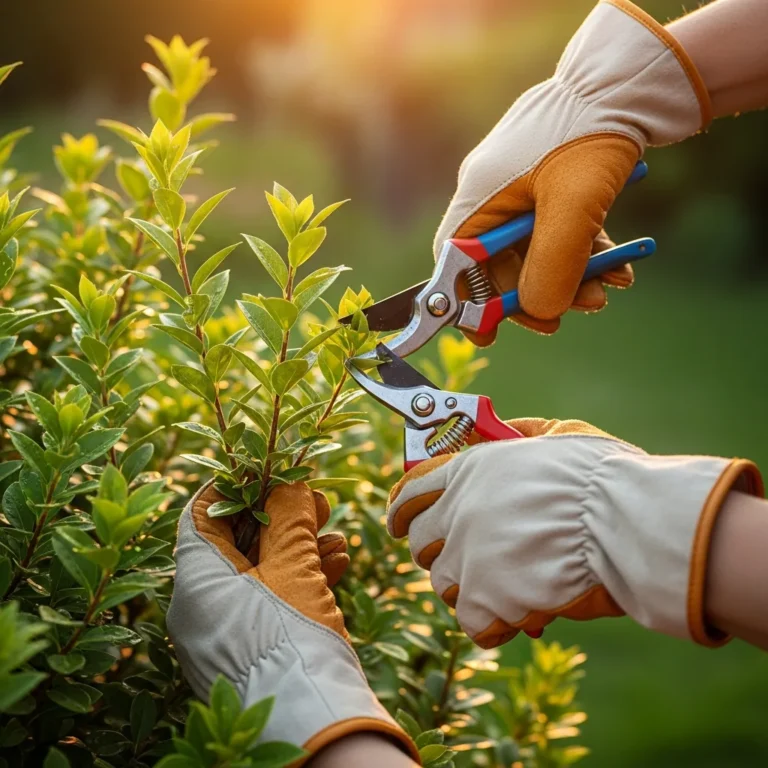
A sharp pair of bypass pruners is ideal for most hydrangea pruning tasks. Bypass pruners have two blades that slide past each other, like scissors, making clean cuts that are less likely to damage plant tissue. Make sure they are clean and sharp to avoid crushing stems, which can invite disease. For larger, older stems on very mature plants, you might need loppers.
How hard can I cut back Hydrangea paniculata and Hydrangea arborescens?
These types, which bloom on new wood, can be pruned quite hard. In late winter or early spring, you can cut them back to a framework of strong stems, leaving about 2-3 sets of healthy buds on each. This encourages vigorous new growth and larger flowers. You can generally cut them back to about 1-3 feet from the ground, depending on the variety and your desired size.
Will pruning affect the color of my hydrangea flowers?
Pruning itself doesn’t directly change the color of hydrangea flowers. However, the soil pH significantly impacts the color of Bigleaf hydrangeas (H. macrophylla). Acidic soil leads to blue flowers, while alkaline soil leads to pink or red. If you’re trying to maintain a specific color, you’d adjust the soil pH rather than alter your pruning technique.
What if I accidentally prune my old-wood hydrangea at the wrong time?
Don’t panic! If you realize you pruned your Bigleaf or Oakleaf hydrangea too early and removed potential flower buds, the plant will still grow. It just means you’ll likely have fewer or no blooms that season. Focus on tidying up any dead or damaged wood. You can still enjoy the foliage and the plant’s structure. Learn from it and make sure to prune correctly next year, right after flowering.
Your Hydrangeas Will Bloom Beautifully
Pruning hydrangeas really comes down to knowing your plant. Once you identify whether it blooms on old or new wood, the timing becomes much clearer. Remember, it’s okay to be cautious; when in doubt, err on the side of less pruning. Observing your plants and learning their specific needs is part of the gardening journey. If you’re ever unsure about a plant’s health or need help with a large, complex pruning job, don’t hesitate to reach out to your local cooperative extension office or a certified arborist. Happy gardening!