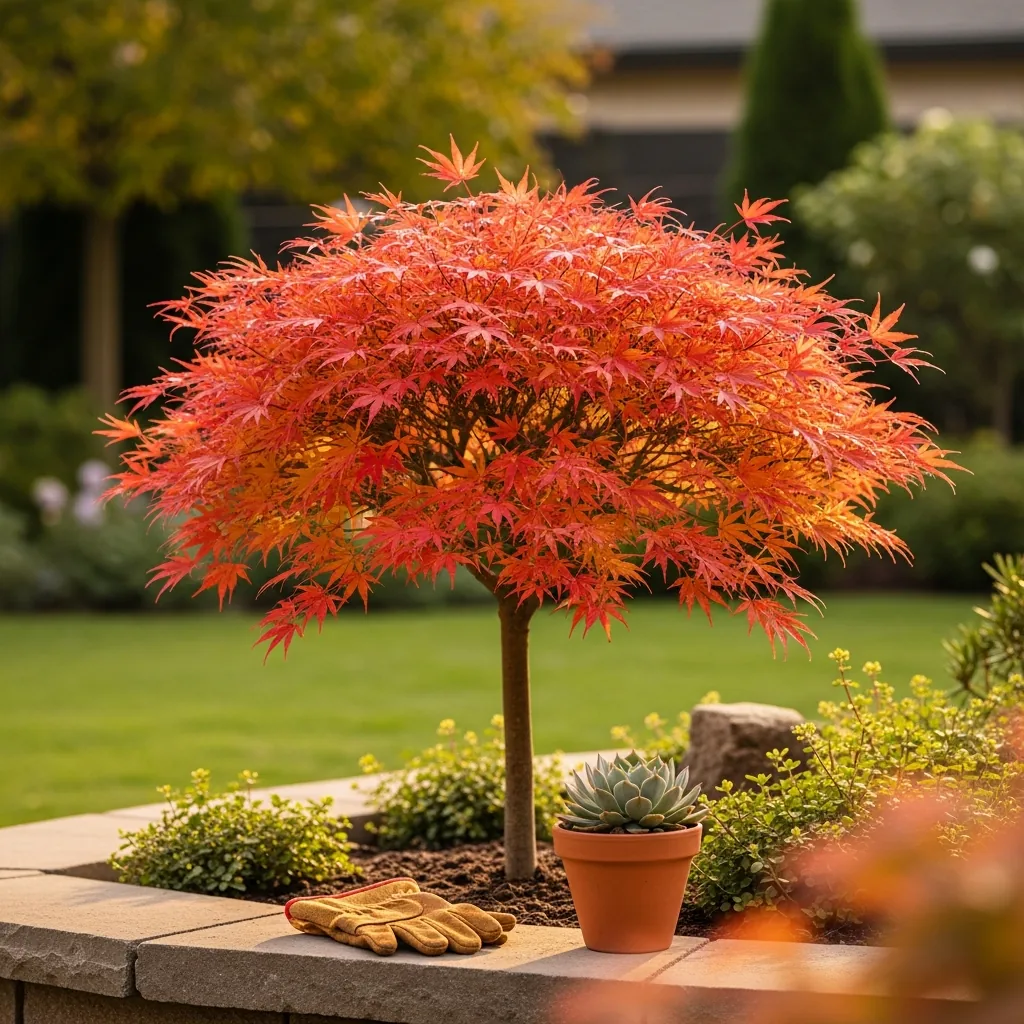
Quick Answer: Choosing Small Trees
Quick version: Selecting the right small trees for your backyard means considering their mature size, growth rate, and specific needs. Japanese maples offer stunning foliage, while fruit trees like dwarf cherries provide seasonal rewards. Consider Paperbark Maples for unique bark and Amelanchiers for multi-season interest. Always check the ultimate height and spread to ensure they fit your space. Proper site selection, soil preparation, and understanding your hardiness zone are key to success with these compact garden beauties (pruning basics).
Choosing the right trees for your backyard is a big decision. You want something beautiful, but you don’t want it to take over your entire space. I’ve definitely planted things too big before, and learned the hard way how much work that can be.
this guide covers help you find the perfect small trees. We’ll cover options for foliage, flowers, and even fruit. We’ll also talk about how to pick the best spot for them. This isn’t about giant shade trees; it’s about fitting nature into your life, no matter your yard size. We’re focusing on trees that stay manageable for us home gardeners.
Why Small Trees Matter for Your Garden Space
Can we talk about fitting big dreams into small spaces? That’s exactly what choosing the right small trees is all about. Many of us backyard gardeners don’t have acres to play with. We have patios, balconies, or just a modest patch of lawn. But we still want that vertical interest, seasonal color, and even a bit of homegrown fruit. Small trees provide that architectural element. They can anchor a garden bed or serve as a living focal point. Without careful selection, though, even a ‘small’ tree can eventually overwhelm your yard.
The United States Department of Agriculture (USDA) provides hardiness zone maps that are crucial for selecting trees. These zones help you understand which plants can survive your local climate extremes. Choosing a tree that’s too tender or too cold-hardy for your zone is a recipe for disappointment. For instance, a beautiful Japanese maple might look perfect in a catalog, but if it’s not suited for your zone, it won’t thrive. Understanding the mature size is also critical. A tree that’s 8 feet tall now might be 20 feet in 10 years. That’s a big difference in a small backyard. The Cooperative Extension system offers local advice tailored to your region, helping you avoid costly mistakes.
According to the University of Minnesota Extension, selecting climate-resilient landscape trees is important for long-term success. This includes choosing trees adapted to your local conditions. Small trees offer immense value without the long-term commitment or space demands of larger varieties. They can provide shade, attract pollinators, and offer stunning ornamental features throughout the year.
When to Wait, When to Call an Expert
Deciding whether to handle a tree issue yourself or call in the pros is a common gardener’s dilemma. I’ve certainly hesitated, only to make things worse. Here’s a breakdown for small trees:
Worth watching:
- Minor leaf discoloration: A few yellow or brown spots might be normal seasonal changes or slight watering issues. Observe if it spreads or affects new growth.
- Slightly uneven growth: One side growing a little faster than the other is common. Prune lightly to balance shape if desired.
- Occasional fallen fruit/blossoms: Natural shedding happens. Keep an eye on excessive dropping, which could signal stress.
- Early spring leaf-out delay: Some trees are later risers. If neighboring plants are leafing out normally, your tree might just be a late bloomer.
- Surface root visible: Small, superficial roots near the soil line are often fine. They aren’t typically a structural concern for small trees.
Worth calling an expert:
- Signs of significant pest infestation: If you see widespread damage, sticky honeydew, or large numbers of insects, it might be time for professional pest management advice. Some pests can be devastating.
- Deep bark damage or large wounds: Gashs from lawnmowers or deep cracks can invite disease. An ISA-certified arborist can assess and treat these.
- Sudden wilting or dieback: If a significant portion of the tree looks suddenly unhealthy or is dying, it could be a serious disease or root problem requiring expert diagnosis.
- Tree leaning significantly: Especially if it’s near a house or walkway, a leaning tree needs immediate assessment by an arborist to check for root issues or instability.
- Concerns about toxicity to pets or children: If you suspect your pet or child has ingested part of a tree and is showing symptoms, contact the ASPCA Animal Poison Control Center immediately.
- Suspected soil contamination: If you’re planting in an area with a history of industrial use or unknown fill, a soil test from your local Cooperative Extension is essential.
Planting Your Small Tree: A Step-by-Step Guide
- Choose the Right Spot: Consider sunlight needs (full sun, partial shade), drainage, and proximity to structures or other plants. Read the plant tag carefully. Some small trees, like Japanese maples, prefer protection from harsh afternoon sun. Others, like fruit trees, need full sun for best production.
- Dig the Hole Correctly: Dig a hole that is two to three times wider than the root ball, but only as deep as the root ball itself. This encourages roots to grow outwards. The top of the root ball should be level with or slightly above the surrounding soil. Over-digging can lead to settling.
- Prepare the Tree: Gently remove the tree from its container. If the roots are circling tightly (root-bound), carefully loosen them with your fingers or make a few vertical slices with a clean knife. This helps the roots spread into the new soil.
- Place the Tree: Set the tree in the center of the hole. Ensure it’s standing straight. Backfill the hole with the native soil you removed. Avoid adding excessive amendments directly into the planting hole unless your soil is extremely poor; amending too much can create a ‘pot effect’.
- Water Thoroughly: After backfilling, water the tree deeply. This helps settle the soil and remove air pockets. Aim to water slowly so it soaks in. A good initial watering is crucial for establishing the root system.
- Mulch Generously: Apply a 2-3 inch layer of organic mulch (like wood chips or compost) around the base of the tree. Keep the mulch a few inches away from the trunk itself to prevent rot and pest issues. Mulch helps retain moisture and suppress weeds.
- Follow-Up Care: Water regularly, especially during the first year, depending on rainfall. For fruit trees, consider a fertilizing schedule recommended by your local extension office. Light pruning might be needed after the first year to establish structure.
Common Myths About Small Trees Debunked
Myth: Any tree labeled ‘dwarf’ or ‘small’ will fit anywhere. Reality: Even small trees have mature sizes and specific needs. A ‘small’ Japanese maple might still get 15 feet tall and wide over time. Always check the ultimate dimensions. Some trees are slow-growing but eventually reach a significant size, so research is key. As noted by the UMass Extension, understanding plant identification and mature habit is vital for landscape success.
Myth: You can plant a tree anytime. Reality: While some trees are more forgiving, the best times to plant most small trees are in the cooler, wetter months – typically early spring or fall. This allows roots to establish before extreme heat or cold sets in. Planting during the hottest part of summer can stress the tree significantly.
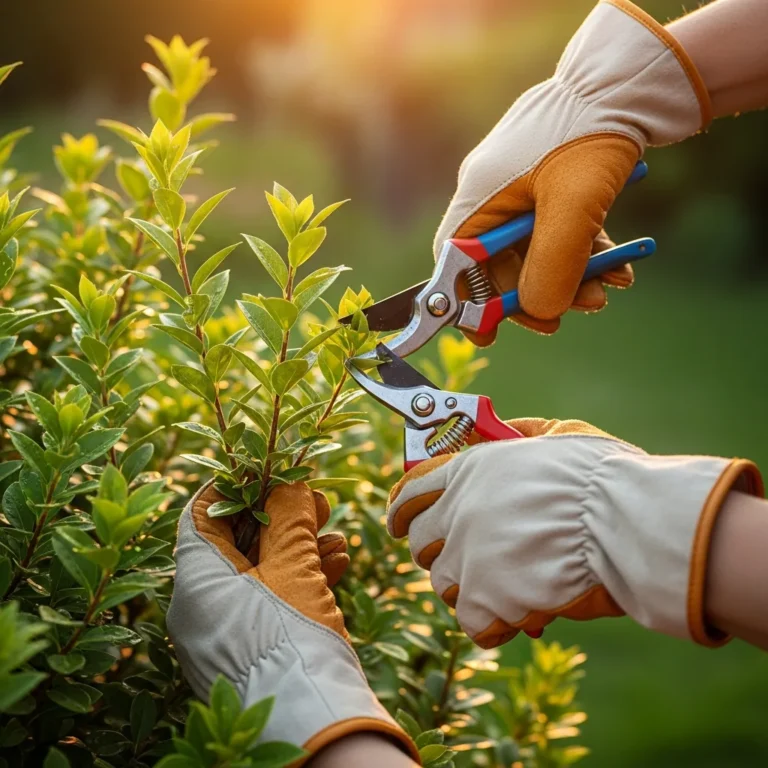
Myth: Small trees don’t need pruning. Reality: Pruning is essential for shape, health, and fruit production (if applicable). For ornamental trees, it helps maintain their desired form. For fruit trees, it’s critical for airflow and light penetration, which leads to better harvests. Learn basic pruning techniques or consult an arborist for complex needs.
Myth: Fertilizer is always good for new trees. Reality: Over-fertilizing a newly planted tree can burn its roots and hinder establishment. Focus on proper watering and mulching initially. Once established, a soil test from your local Cooperative Extension can guide your fertilization strategy. The Penn State Extension offers guidance on soil testing and interpretation.
Myth: You can’t grow fruit trees in small gardens. Reality: Many fruit trees are available on dwarfing rootstocks, making them perfect for small spaces. Espalier training against a wall or fence is also a fantastic space-saving technique for apples, pears, and even peaches. Dwarf varieties can produce abundant fruit without taking over your yard.
What to Track for Your Small Tree’s Health
Keeping an eye on a few key things will help you catch problems early and ensure your small tree thrives. I use a simple garden journal to jot these down. It makes it so much easier to see patterns or notice when something is off.
- Watering frequency and amount: Note how often you water and how much. Is the soil staying consistently moist but not soggy?
- Leaf color and condition: Are the leaves a healthy green? Note any spotting, yellowing, browning, or curling.
- New growth: Observe the length and vigor of new shoots in spring and summer. Is it growing well?
- Pest presence: Look for any visible insects (aphids, scale, borers) or signs of damage like chewed leaves or webbing.
- Flowering/fruiting: Note when flowers appear, how long they last, and if fruit sets and ripens properly.
- Bark condition: Check for cracks, peeling (if not normal for the species), or any signs of boring insects.
- Soil moisture: Stick your finger a few inches into the soil near the root zone. Is it dry, moist, or wet?
- Overall shape and structure: Does the tree look balanced? Are there any dead or damaged branches?
This checklist helps me provide useful information if I ever need to consult my local extension office or an arborist.
Frequently Asked Questions About Small Trees
What’s the difference between a dwarf tree and a small tree?
Dwarf trees are specifically bred or grafted onto rootstock that limits their mature size, often to under 10-15 feet. ‘Small trees’ is a broader category that includes naturally compact species, slow-growing varieties, or trees that can be maintained at a smaller size through pruning. Always check the specific plant’s ultimate height and spread.
How far should I plant a small tree from my house foundation?
As a general rule, plant small trees at least 10-15 feet away from your house foundation. While they won’t have the massive root systems of large trees, their roots can still potentially cause issues over time, especially if they seek out water. Check with your local Cooperative Extension for region-specific recommendations.
Can I grow a small tree in a pot?
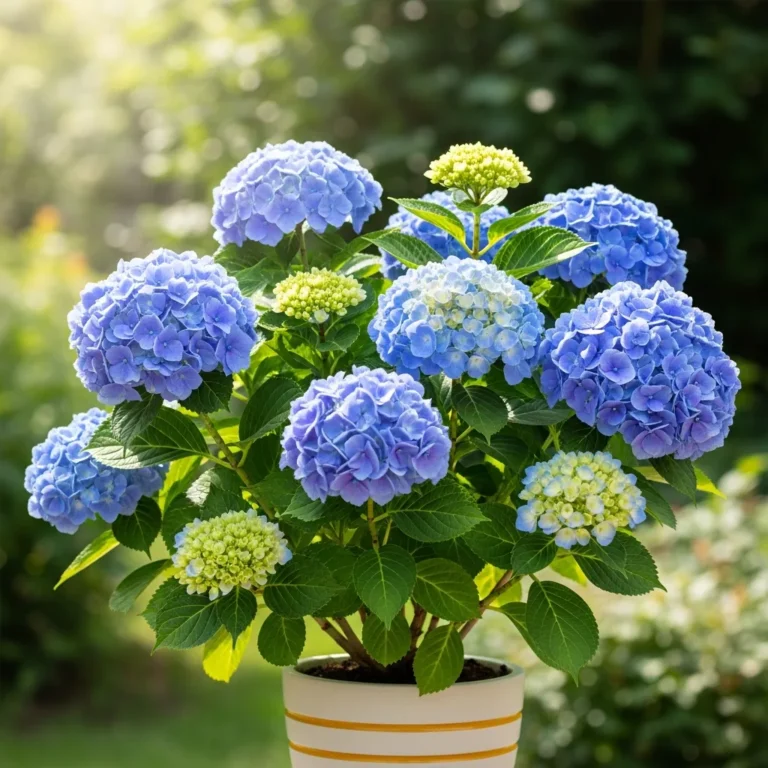
Absolutely! Many small trees, especially Japanese maples, dwarf fruit trees, and certain ornamental varieties, do very well in containers. Use a large pot with good drainage and a quality potting mix. Remember that container plants need more frequent watering and may require winter protection in colder climates. The RHS provides excellent guidance on growing Japanese maples, many of which are suitable for pots.
What are the best small trees for fall color?
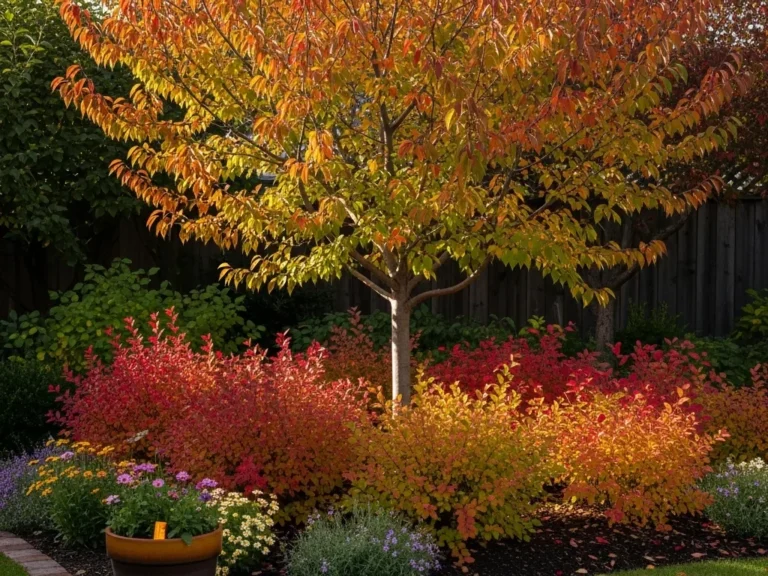
Japanese Maples (Acer palmatum cultivars) are famous for their lively fall foliage, ranging from fiery reds to bright oranges and yellows. Paperbark Maples (Acer griseum) also offer stunning crimson fall color and unique bark. Serviceberries (Amelanchier) provide lovely shades of orange and red in autumn.
Are there small trees that produce edible fruit?
Yes! Dwarf varieties of apple, cherry, peach, and plum trees are excellent choices for small gardens and can be grown in pots or trained against walls. Fig trees, while sometimes larger, can also be managed in smaller spaces with proper pruning. Even some Serviceberries produce edible berries.
How do I know if my small tree has a disease?
Signs of disease can include unusual leaf spots, wilting, dieback (branches dying), cankers (sunken areas on bark), or powdery mildew. If you notice significant symptoms that aren’t easily explained by watering or environmental stress, it’s best to consult your local Cooperative Extension office for diagnosis and treatment options.
What is the best soil for small trees?
Most small trees prefer well-draining soil. They generally don’t like to have their roots sit in waterlogged conditions. Incorporating some compost can improve soil structure and fertility. A soil test through your local extension office can tell you your soil’s pH and nutrient levels, helping you amend it correctly for your specific tree choice.
Bringing Beauty to Your Backyard
Adding a small tree to your garden is a rewarding experience. It brings structure, beauty, and often, delightful seasonal changes. Remember that even the smallest trees need the right care and attention. Don’t be afraid to ask for help if you’re unsure. Your local Cooperative Extension office, a qualified arborist, or even the ASPCA’s poison control line for pet safety are invaluable resources. Happy planting!