Quick Guide to Attracting Birds with Water (pruning basics)
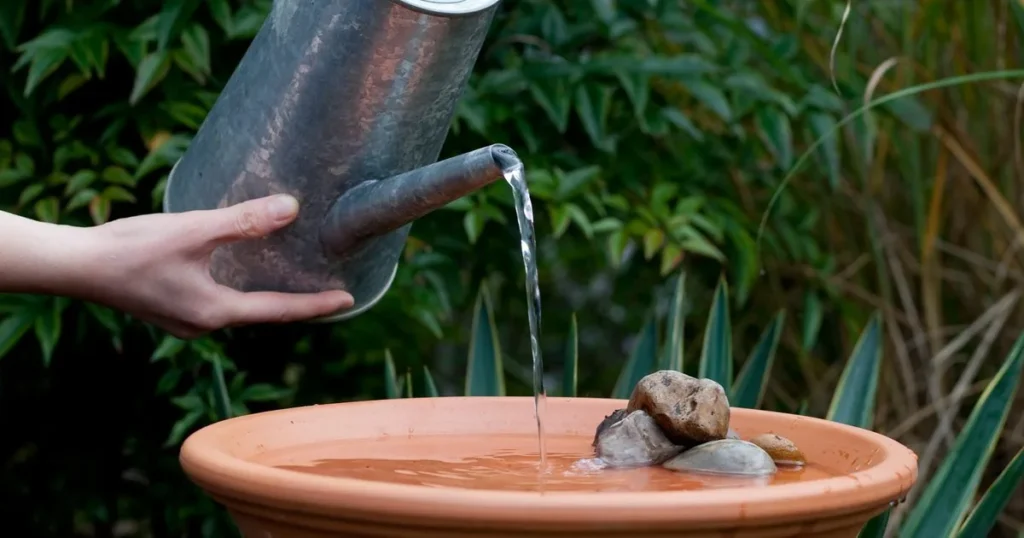
Quick version: To attract birds, provide a clean, safe water source like a shallow bird bath or a simple pot-and-saucer setup. Birds need water for drinking and preening, which helps them stay healthy and alert. A water feature, especially one with varying depths and safe perching spots, will significantly attract birds. Keep the water fresh by changing it every few days. Avoid deep water that could be dangerous for smaller birds or fledglings. Adding a few pebbles or stones can create safe landing spots for bees and smaller birds. This simple addition makes your garden a welcoming spot.
Want to attract birds to your garden? It’s not just about feeders and seed. Water is incredibly important for birds. They need it for drinking and bathing. A good water source will bring more feathered friends to your yard. I learned this the hard way, trying to make my garden a wildlife haven. this guide covers help you understand how to provide water safely. We’ll cover simple DIY options and what to watch out for. I’m not a scientist, but I’ve spent years testing ideas in my own backyard. We’ll rely on trusted sources to get it right. This guide focuses on water features, not plant choices for attracting birds, though those are important too!
Attract birds: Why Water is Key to Attracting Birds
Birds need water for so much more than just drinking. They use it for bathing, which is essential for keeping their feathers clean and in good condition. Clean feathers help birds fly efficiently and stay insulated against weather changes. It also helps them get rid of parasites. Think of it like us showering – it’s a vital part of hygiene. A reliable water source can be a lifeline for birds, especially during dry spells or when natural water sources freeze over in winter. Providing water can make your garden a preferred spot for them. The U.S. Department of Agriculture notes that diverse habitats, including water, support greater bird populations. I’ve found that even a small water feature can dramatically increase bird visits. It’s a simple way to support local wildlife right in your backyard. It brings so much life and sound to the garden.
Watering for Birds: When to Act and What to Watch
Worth watching:
- Water level drops by half: This indicates birds are using it frequently and you should top it up.
- Slight algae growth: A little green film is normal, but it means you need to clean the bath soon.
- Birds splashing and drinking actively: This is the best sign your water feature is a hit!
- Presence of small birds (wrens, chickadees): They are often the first to discover a new water source.
- Bees or butterflies visiting the edge: They use shallow water sources too, but need safe access.
- Occasional leaf litter: This is natural and can provide tiny hiding spots for insects birds might eat.
Worth calling an expert:
- Persistent, thick green or brown slime: This could indicate bacterial growth that’s harmful to birds. Contact your local wildlife rehabilitator or veterinarian if you suspect illness.
- Stagnant water that doesn’t get used: If birds avoid it, there might be an issue with placement or cleanliness.
- Water source is too deep or has steep sides: This poses a drowning risk for fledglings and small birds. Consult resources from organizations like the University of Illinois Extension for safe designs.
- Suspected contamination: If you notice dead birds or sick-looking birds near the water source, contact your local cooperative extension office for advice.
- Large tree issues near water source: If a large tree is overhanging the water and dropping excessive debris or poses a falling hazard, consult an ISA-certified arborist.
Creating a Simple Bird Waterer
- Choose a container: Select a shallow dish, saucer, or even an old pie tin. A terracotta pot saucer works well. Ensure it’s no more than 2-3 inches deep in the center. Deeper is not better for most backyard birds.
- Add perching spots: Place a few clean, smooth stones or pebbles inside the container. These provide safe places for birds to stand while drinking or bathing. They also give bees a safe place to sip without drowning.
- Secure the container: If using a pot saucer, you might want to glue it to a sturdy base like an upside-down terracotta pot. Use a waterproof, non-toxic adhesive suitable for outdoor use. Let it cure fully for 24 hours before filling.
- Find the right location: Place your waterer in a visible spot, ideally near shrubs or trees where birds can quickly retreat if they feel threatened. Avoid placing it too close to windows to prevent collisions. A partially shaded spot helps keep water cooler.
- Fill with fresh water: Use clean, cool water. Don’t add anything to the water. Clean water is the most important element for bird health.
- Maintain cleanliness: This is crucial. Check the water daily and refill as needed. Scrub the container with a stiff brush and rinse thoroughly at least once a week to prevent algae and disease buildup.
Debunking Bird Waterer Myths
Myth: Birds only need water for drinking.
Reality: Birds use water extensively for bathing. This helps them maintain their feathers, which is critical for insulation, flight, and parasite removal. A good water source encourages them to visit your garden regularly for this essential grooming.
Myth: Any old container will do for a bird bath.
Reality: Safety is critical. Bird baths should be shallow, with gentle slopes or rocks to prevent drowning. Very deep or slippery containers can be dangerous. The University of Illinois Extension recommends baths with varying depths.
Myth: Adding soap or chemicals keeps water cleaner.
Reality: Never add soap, disinfectants, or other chemicals to bird water. These can be toxic and strip natural oils from bird feathers, causing harm. Regular cleaning with plain water and a scrub brush is the safest method.
Myth: Bird baths are only for summer use.
Reality: Birds need water year-round. In winter, you can prevent freezing by using a heated bird bath or a solar-powered de-icer. Penn State Extension offers tips for winter bird care.
Observing Your Bird Waterer’s Success
- Daily water level check: Note how quickly water evaporates or is used.
- Frequency of bird visits: Keep a tally of how many birds use the bath each day.
- Types of birds visiting: Identify different species. Are you seeing smaller birds, larger birds, or both?
- Water cleanliness: Note how often you need to scrub and rinse to keep it clean.
- Presence of insects: Observe if bees, butterflies, or other beneficial insects are using the water.
- Weather impact: How does temperature or rain affect bird usage?
- Behavior at the water source: Are birds drinking, bathing, or just perching?
Frequently Asked Questions About Bird Waterers
How deep should a bird bath be?
For most backyard birds, a depth of 1-3 inches is ideal. The water should be shallow enough for small birds and fledglings to use safely. Look for a basin that slopes gently from the edges to the center, providing varying depths.
How often should I clean a bird bath?
Clean your bird bath at least weekly, scrubbing it with a stiff brush and rinsing thoroughly. If the weather is very hot or the bath is heavily used, you may need to clean it more often, even daily. Fresh water is key to preventing disease.
Can I put a bird bath near a feeder?
Yes, placing a bird bath near a feeder can be beneficial. Birds can eat and then immediately drink or bathe. However, ensure there are escape routes and perching spots nearby for safety. Keeping them a short distance apart can also reduce competition.
What if my bird bath water freezes?
If you live in a cold climate, you’ll need to address freezing. You can remove the bath during hard freezes, use a heated bird bath, or install a solar de-icer. Penn State Extension provides more winter bird care tips.
Are there any plants that help attract birds to water?
While plants don’t directly attract birds *to* the water itself, certain plants can make your garden more attractive overall. Native shrubs and trees provide cover and perching spots near water sources, making birds feel safer. Consider plants that offer berries or seeds too.
What kind of water should I use for my bird bath?
Always use clean, fresh, cool tap water or rainwater. Avoid using water that has been treated with chemicals or is stagnant. The goal is to provide a safe and inviting drinking and bathing environment.
Your Garden’s New Bird Magnet
Providing water is one of the simplest yet most effective ways to attract birds. It supports their health and brings a lively atmosphere to your garden. Remember to keep it clean and safe. If you’re ever unsure about water quality or a bird’s health, don’t hesitate to reach out to local experts. Your efforts make a real difference for our feathered neighbors. Happy bird watching!