Your Quick Guide to Native Trees and Shrubs (pruning basics)
TL;DR: Choosing native trees and shrubs offers a reliable way to boost your garden’s biodiversity and beauty. These plants are adapted to your local climate and soil, meaning less work for you. They support native insects, birds, and other wildlife, creating a lively ecosystem. When selecting native trees and shrubs, consider mature size, light needs, and soil conditions. Look for species that provide seasonal interest, like spring flowers or fall color. Prioritize plants that are well-suited to your specific region for the best success and minimal intervention.
Thinking about adding some trees and shrubs? Native trees and shrubs are fantastic choices for any backyard. They’re often super low-maintenance. Plus, they provide vital habitat for local wildlife. We’ll explore why native plants are a game-changer for your garden. This guide focuses on what works for everyday gardeners. It’s not about complex botany. I’ll share what I’ve learned, often the hard way, from my own garden.
We’ll cover selecting the right plants for your space. You’ll also learn how to spot when things are going great and when to call in help. Let’s make your garden buzz with life!
Why Native Trees and Shrubs Matter for Your Garden
I used to think any pretty plant would do. Then I realized my garden felt a little… quiet. Adding native trees and shrubs changed everything. They’re not just pretty faces; they’re the foundation of a healthy backyard ecosystem. Native plants have evolved alongside local insects and birds. This means they provide the exact food and shelter these creatures need. Think of it as offering a familiar menu to your local wildlife. Research shows that landscapes with native plants support significantly more pollinators and birds than those dominated by non-natives. For example, the U.S. Forest Service highlights how native plants offer superior food sources for native insects, which in turn feed birds.
The U.S. Environmental Protection Agency (EPA) also points out that native plants can help manage stormwater runoff. Their deep root systems absorb more water. This reduces strain on local water systems and helps prevent soil erosion. By choosing native trees and shrubs, you’re doing more than just gardening. You’re contributing to the health of your local environment. You’re creating a beautiful, resilient space that benefits everyone, from the smallest bee to you!
When to Watch and When to Call for Help with Native Plants
Figuring out plant problems can be stressful. I’ve definitely spent hours staring at leaves, trying to diagnose issues. With native trees and shrubs, the goal is often less intervention. But sometimes, you need to know when to step in or get expert advice. It’s all about observing the details.
Worth watching:
- Slow initial growth: Many native shrubs and trees take a year or two to establish their root systems. Don’t panic if they don’t shoot up immediately. Just ensure they’re getting adequate water.
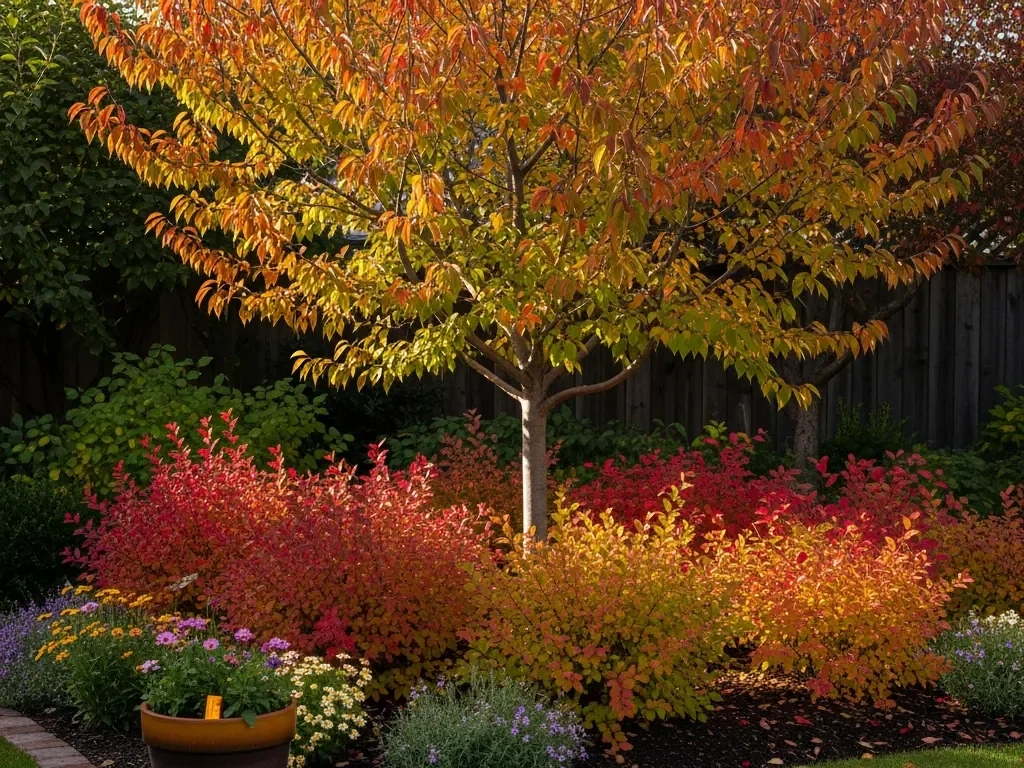
- Seasonal leaf drop: Deciduous natives will naturally lose their leaves in fall. This is normal and part of their life cycle. Watch for the color change as a sign of the season.
- Occasional pest presence: A few nibbled leaves are usually fine. Many native plants have co-evolved with local pests. A small population often doesn’t harm the plant long-term.
- Flowering or fruiting cycles: Pay attention to when your plant blooms and sets fruit. This indicates it’s healthy and happy. Note any deviations from the usual pattern.
- Natural form: Native plants often have a unique, sometimes irregular shape. Resist the urge to force them into a rigid, formal look unless that’s your specific design goal.
Worth calling an expert:
- Sudden, widespread wilting or leaf drop: If your plant looks like it’s dying rapidly, and it’s not the normal fall color change, it’s time to investigate. This could signal a serious disease or pest infestation.
- Unusual spots, lesions, or mold on leaves/stems: While minor spots are okay, large, spreading lesions or fuzzy mold could indicate a fungal or bacterial issue needing identification.
- Signs of severe insect infestation: If you see huge numbers of insects, sticky honeydew, or damaged branches that look like they’re being eaten alive, it might be beyond DIY control.
- Toxicity concerns for pets or children: Some native plants can be toxic if ingested. If you have pets or young children who might chew on plants, check the ASPCA’s Animal Poison Control Center for toxicity information.
- Large tree near structures: For any tree, especially mature ones, that are close to your house, garage, or power lines, consult an ISA-certified arborist. They can assess structural integrity and potential risks.
- Suspected soil contamination: If you’re concerned about soil quality or potential contamination (e.g., near old industrial sites), contact your local cooperative extension office. They can guide you on soil testing and remediation.
Step-by-Step: Planting Native Trees and Shrubs
- Choose the Right Spot: Before you buy anything, assess your site. Consider sunlight (full sun, part shade, full shade), soil type (clay, loam, sand), and moisture levels. Check the mature size of the plant. Make sure it won’t outgrow the space. The USDA Plant Hardiness Zone Map is your friend here for understanding temperature extremes.
- Select Your Native Plants: Focus on species native to your specific region. Local nurseries or native plant societies can offer great recommendations. Look for plants that meet your aesthetic goals, whether it’s flowers, fall color, or evergreen structure. Reputable sources often label plants with their native range.
- Prepare the Planting Hole: Dig a hole that is two to three times wider than the plant’s root ball. Make it only as deep as the root ball. This encourages roots to grow outwards. Loosen the soil on the sides of the hole to help roots penetrate. You can lightly amend the soil with compost if your native soil is very poor, but avoid over-amending. The University of Illinois Extension notes that natives are adapted to local soils and may not need significant amendments.
- Gently Remove from Container: Carefully slide the plant out of its pot. If the roots are tightly circling, gently tease them apart. This is called “root pruning” and helps prevent the plant from becoming root-bound. Don’t be afraid to loosen them a bit.
- Place Plant in Hole: Set the plant in the center of the hole. The top of the root ball should be level with or slightly above the surrounding soil. This prevents water from pooling around the base of the trunk or stem.
- Backfill the Hole: Use the original soil you dug out to fill the hole. Gently firm it around the root ball to eliminate large air pockets. Avoid compacting the soil too much. Water thoroughly as you fill to settle the soil.
- Mulch Generously: Apply a 2-3 inch layer of organic mulch (like wood chips or shredded bark) around the base of the plant. Keep the mulch a few inches away from the trunk itself to prevent rot and discourage pests. Mulch helps retain soil moisture, suppress weeds, and regulate soil temperature.
- Water Consistently: Water newly planted trees and shrubs deeply and regularly for the first year. The frequency depends on rainfall and your soil type. Aim to keep the soil consistently moist, but not waterlogged. This is crucial for establishing a strong root system.
Common Myths About Native Trees and Shrubs
Myth: Native plants are always weedy-looking and messy.
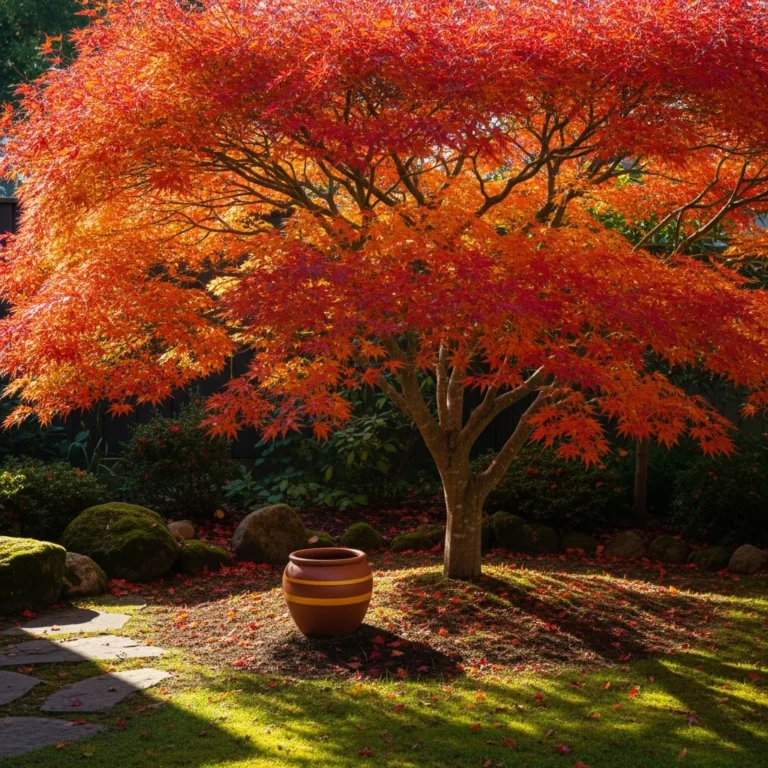
Reality: While some natives have a wild charm, many are incredibly ornamental. Think of the lively blooms of a Serviceberry or the stunning fall color of a Red Maple. Native plants are adapted to their environment, which often means they are very hardy and look good without constant fuss. The key is selecting species that fit your aesthetic preferences and garden style. Many universities, like Penn State Extension, showcase beautiful landscapes featuring native plants.
Myth: Native plants are too difficult to find and expensive.
Reality: Native plant availability has improved dramatically. Many local nurseries now carry a good selection. You can also find specialized native plant nurseries. While some may have a higher upfront cost, their longevity and low maintenance needs often make them more cost-effective over time. Plus, you can sometimes find local native plant sales or swap events through your cooperative extension or native plant societies.
Myth: Native plants don’t attract beneficial wildlife.
Reality: This is completely untrue. Native plants are the backbone of local ecosystems. They provide essential food and habitat for native insects, birds, and other wildlife. For instance, certain butterfly species can only lay their eggs on specific native host plants. The National Park Service highlights how native plants are crucial for supporting biodiversity.
Myth: Native plants require no care whatsoever.
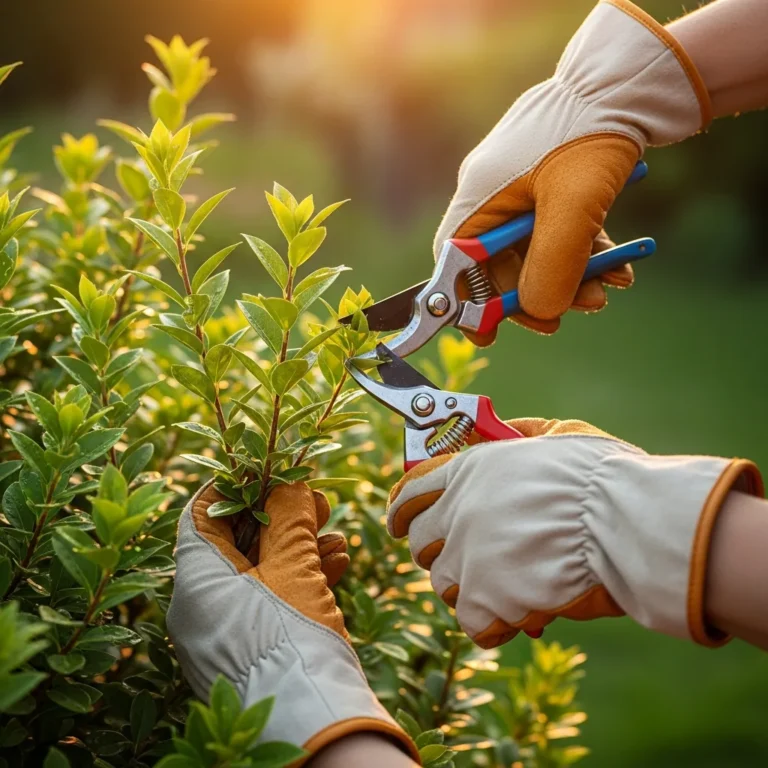
Reality: While native plants are generally low-maintenance, they aren’t entirely hands-off. New plantings need consistent watering to establish. You might still need to prune for shape or health, and occasionally manage pests or diseases. However, compared to many exotic ornamentals, their needs are significantly reduced. They’re adapted to your climate and typical soil conditions, reducing the need for constant amendments or protection.
What to Track with Your Native Trees and Shrubs
Keeping an eye on your native plants helps you understand their needs. It also provides valuable information if you ever need to consult an expert. Here’s what I recommend tracking:
- Planting Date: Knowing when you planted helps gauge establishment time.
- Watering Schedule: Note how often you water, especially during the first year or dry spells.
- Soil Moisture: Stick your finger a couple of inches into the soil near the plant. Is it dry, moist, or soggy?
- Leaf Appearance: Look for any discoloration, spotting, wilting, or signs of insect damage. Note the timing of leaf drop in fall and bud break in spring.
- Growth Rate: Observe how much the plant grows each season. Is it putting on new shoots?
- Flowering/Fruiting: Track when flowers appear, how long they last, and if fruit develops. Note the color and size of fruits.
- Wildlife Activity: Record which birds, bees, or other creatures visit your plants. This is a great indicator of their ecological value.
- Pest/Disease Signs: Note any unusual insects, webbing, mold, or lesions. Take pictures if possible.
- Mulch Depth: Check your mulch layer annually. Replenish as needed, keeping it away from the plant’s trunk.
Frequently Asked Questions About Native Trees and Shrubs
What’s the difference between native and non-native plants?
Native plants are those that have grown in a specific region for thousands of years, evolving alongside local wildlife and climate. Non-native plants were introduced from other parts of the world, either intentionally or accidentally. While some non-natives can be beautiful, they may not offer the same ecological benefits and can sometimes become invasive, outcompeting native species.
How do I choose native trees and shrubs for my specific region?
The best way is to consult resources specific to your area. Your local cooperative extension office is an excellent starting point. Websites like the USDA NRCS plant database or regional native plant societies can also provide lists of suitable species. Consider your USDA Hardiness Zone, soil type, and available sunlight when making your selections.
When is the best time to plant native trees and shrubs?
Generally, fall is the ideal time to plant native trees and shrubs. The cooler temperatures and increased rainfall help plants establish their root systems before the heat of summer or the harshness of winter. Spring planting is also an option, but it requires more diligent watering to ensure the plants don’t dry out during their first growing season.
Can native plants help with erosion control?
Yes, absolutely! Native trees and shrubs often have extensive, deep root systems. These roots help bind the soil together, preventing erosion from wind and rain. Planting natives on slopes or along waterways can be a very effective strategy for stabilizing the soil and improving water quality, as noted by sources like the EPA.
How do I know if my native plant is getting enough water?
Check the soil moisture regularly. Stick your finger about 2 inches into the soil near the plant’s base. If it feels dry at that depth, it’s time to water. For newly planted shrubs and trees, aim for consistent moisture for the first year. Wilting leaves can also be a sign of thirst, but make sure it’s not due to overwatering, which can cause similar symptoms.
Are native plants more resistant to pests and diseases?
Often, yes. Because native plants have co-evolved with local pests and diseases, they tend to have natural defenses against them. They may not be completely immune, but they often require less chemical intervention than many exotic species. This makes them a more sustainable choice for a healthy garden ecosystem.
Embracing Native Beauty in Your Garden
Adding native trees and shrubs is one of the best decisions I’ve made for my garden. It’s a journey that rewards you with beauty and a thriving ecosystem. Remember, it’s okay if you’re not sure about every detail. I certainly wasn’t when I started! Observing your plants and knowing when to seek advice is key.
Don’t hesitate to reach out to your local cooperative extension office or an ISA-certified arborist if you have serious concerns. They’re fantastic resources for ensuring your native plants, and your whole garden, flourish for years to come. Happy planting!