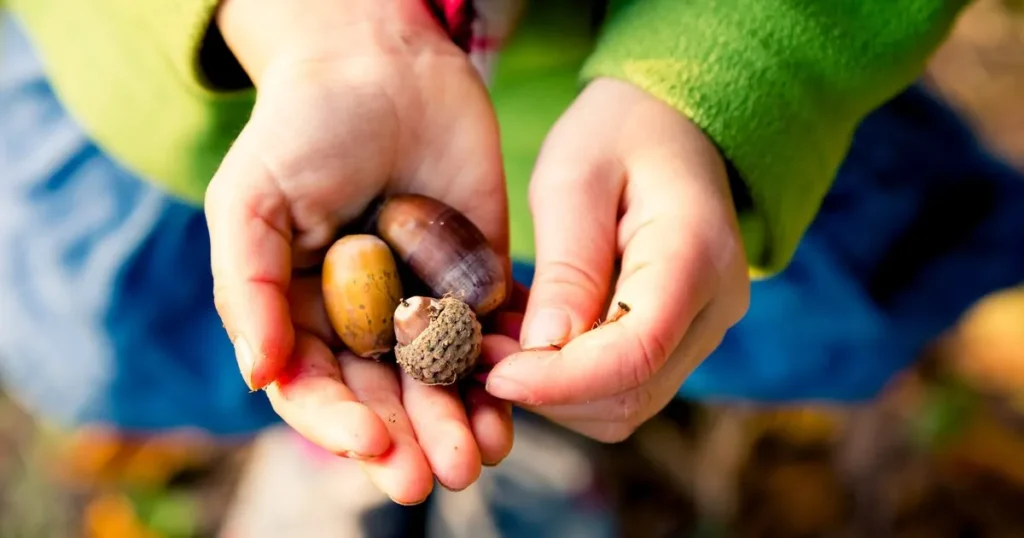
What Exactly is a Mast Year?
TL;DR: A mast year is when certain tree species produce an exceptionally large crop of seeds, like acorns or beechnuts, all at once. This happens every few years, not annually. The main reason is predator satiation: overwhelming seed-eating animals means more seeds survive to germinate. While oaks and beeches are famous for this, not all trees mast. This year’s bounty might also be influenced by favorable weather like a warm spring, especially for fruit-bearing trees. Understanding a mast year helps you appreciate wildlife activity and predict future seed availability (pruning basics).
Have you noticed an unusually large number of acorns or other tree nuts this fall? You might be witnessing a mast year. This phenomenon isn’t just about a beautiful autumn display; it has real impacts on wildlife and even our gardens. I’m Linnea, and after killing my fair share of houseplants, I’ve learned a lot about the natural cycles in our backyards.
this guide covers break down what a mast year really is, why it happens, and what you can expect to see in your garden and local parks. We’ll explore the science behind it, drawing on trusted sources from university extensions and government agencies. This isn’t a botany textbook; it’s practical advice for us home gardeners.
Why Does a Mast Year Matter to Gardeners?
Seeing a huge crop of acorns feels like a gift from nature, right? For us backyard gardeners, a mast year is more than just a pretty sight. It’s a sign of a healthy ecosystem at play. These bumper crops directly affect the wildlife around your home. Squirrels, chipmunks, and birds will be busy gathering food, and their populations can boom as a result. This increased animal activity can sometimes mean more critter visitors to your garden beds, too.
The U.S. Department of Agriculture (USDA) notes that these seed caches are vital for many species’ survival through winter. Understanding masting helps us predict these shifts. For example, a heavy mast year often means a lighter crop the following year. This cycle is a natural process, but it’s also influenced by our changing climate. University extensions are studying how warmer springs or unpredictable weather patterns might be altering these ancient tree cycles. The fact that you looked this up means your garden is in good hands.
Observing a Mast Year: What to Watch For
Most of the time, a mast year is a natural event to observe and enjoy. You don’t need to do much, but knowing what to look for can be fascinating. Here’s what’s worth watching and when you might need to think about expert advice.
Worth watching:
- Abundant Acorns/Nuts: This is the most obvious sign. Look for a carpet of acorns under oak trees, or large crops of beechnuts, hickory nuts, or walnuts. It’s not just about quantity; it’s about the sheer density of fallen seeds.
- Increased Wildlife Activity: Squirrels will be extra busy, burying nuts everywhere. You’ll likely see more birds, chipmunks, and other small mammals foraging. Keep an eye out for increased predator activity too, like hawks or owls hunting the rodents.
- Heavy Fruiting on Other Plants: While masting primarily refers to nuts, favorable conditions can also lead to bumper crops on fruit trees, berry bushes, and even some ornamental plants. Think more apples, berries, or ornamental crabapples than usual.
- Delayed Leaf Drop: Sometimes, trees that have put many energy into seed production might hold onto their leaves a little longer into the fall. This isn’t always the case, but it’s something to observe.
- Crowding of Seedlings: In the spring following a mast year, you might notice an unusual number of tiny tree seedlings sprouting in your lawn or garden beds, especially under mature oak or beech trees.
Worth calling an expert:
- Suspected Plant Toxicity to Pets: While acorns are generally safe in small quantities for most pets, large amounts can cause digestive upset. If your pet consumes a significant quantity of acorns or other unknown fallen tree parts, contact the ASPCA Animal Poison Control Center. For other potentially toxic plants, always check the ASPCA’s database before letting pets graze nearby.
- Large Tree Concerns Near Structures: If you have very large, mature oak or other mast-producing trees very close to your house, garage, or power lines, a mast year doesn’t inherently make them dangerous. However, if you notice any signs of decay, leaning, or storm damage, it’s time to consult an ISA-certified arborist. They can assess the tree’s health and structural integrity.
- Unusual Leaf Discoloration or Dieback on Mature Trees: While a mast year is about seed production, if the trees producing the mast also show signs of significant distress, like widespread yellowing leaves that aren’t seasonal, or branches dying off unexpectedly, it could indicate a disease or pest issue. Your local cooperative extension office can help diagnose these problems.
- Invasive Species Identification: If you notice an unusual abundance of seeds from a plant you suspect might be invasive, it’s worth getting a positive ID. Early detection and removal of invasive species are crucial. Your local extension office is the best resource for this.
Navigating Your Garden During a Mast Year
A mast year is mostly a passive event for gardeners, but there are a few things you can do. It’s about observation and gentle management. Remember, I learned this the expensive way by trying to ‘fix’ natural processes. Here’s what I recommend:
- Observe and Document: Take time to notice the types and quantity of seeds falling. Are they acorns, beechnuts, or something else? Jot down notes about the wildlife activity you see. This information is valuable if you need to consult your local cooperative extension later. Documenting helps you track patterns year over year.
- Tidy Up if Necessary: If you have large amounts of acorns or nuts accumulating on pathways, patios, or near entrances, consider raking them up. This prevents slippery conditions and potential pest issues, like attracting too many rodents right next to your house. Aim to clear these high-traffic areas promptly.
- Protect Vulnerable Plants: Young trees, fruit bushes, or vegetable plants might get crowded out or damaged by the sheer volume of fallen seeds or the increased animal activity. Consider adding a layer of mulch around them to suppress seed germination and protect the soil surface. A 2-3 inch layer is usually sufficient.
- Manage Lawn Seedlings: You’ll likely see a surge of tiny oak or beech seedlings in your lawn. Don’t worry too much about these. Regular mowing will take care of most of them. If you want to prevent them from becoming established trees, mow before they get too large, ideally when they are just a few inches tall.
- Consider Soil Health (Optional): While not strictly required for a mast year, observing the seed fall can be a prompt to think about your soil. If you have heavy clay or sandy soil, consider adding compost. The Penn State Extension offers great advice on soil testing and interpretation, which can help you understand your specific needs.
- Enjoy the Wildlife Show: This is the best part! Set up a bird feeder or a quiet spot to watch the squirrels and birds. A mast year means more food, which often leads to more observable animal behaviors. It’s a fantastic opportunity for nature observation right in your backyard.
Busting Mast Year Myths
Myth: All bumper crops of seeds and fruits are caused by mast years.
Reality: Mast years are specific to certain tree species, primarily oaks, beeches, and hickories, involving synchronized, super-abundant seed production. While favorable weather conditions (like a warm spring or adequate rainfall) can lead to heavy crops on many other plants, including fruit trees and berry bushes, this isn’t technically ‘masting.’ The Royal Horticultural Society notes that fruit production is often more about consistent, good growing seasons than synchronized mast cycles.
Myth: Mast years happen every year.
Reality: Masting is an infrequent event, occurring perhaps every 2 to 5 years for most species, though the timing can vary. Some trees might have smaller ‘off-years’ with moderate seed production. The key is the synchronized, massive output that overwhelms predators. The cycle is driven by complex internal plant mechanisms and environmental cues, not a yearly schedule.
Myth: A mast year means more pests in your garden.
Reality: A mast year primarily boosts populations of animals that eat seeds and nuts, like squirrels and mice. While increased rodent populations *could* lead to more seeking food sources in gardens, it’s not a direct cause-and-effect for all garden pests. Many common garden pests are insects that have different life cycles and triggers. Focus on good garden hygiene and pest identification rather than attributing all pest issues to a mast year.
Myth: Mast years are bad for trees because they expend too much energy.
Reality: Masting is a survival strategy for trees, not a detriment. By producing a massive amount of seeds, they ensure that enough survive predation to reproduce. While it takes energy, it’s a calculated evolutionary advantage. The National Park Service discusses how various natural phenomena, including seed production cycles, contribute to ecosystem health. Trees are adapted for this energy expenditure.
Myth: You can predict a mast year accurately months in advance.
Reality: Predicting mast years is challenging, even for scientists. While patterns exist and weather plays a role, precise forecasting is difficult. Factors like internal plant resource allocation and subtle environmental shifts make it hard to say definitively. The Penn State Extension notes that weather conditions during flowering and early development are critical but still don’t guarantee a mast event.
Your Mast Year Observation Checklist
Keeping track of what you observe during a mast year can be really helpful. It helps you understand the natural cycles and provides valuable information if you ever need to consult an expert. Here’s a checklist of things to note:
- Date of First Seed Drop: When do you notice the first significant number of acorns, beechnuts, or other seeds falling from your trees?
- Peak Seed Drop Period: How long does the heavy seed fall last? Is it a few weeks or spread out over a couple of months?
- Seed Quantity: Try to estimate the density. Is the ground completely covered under the tree, or are there just a few scattered?
- Types of Seeds: Identify which tree species are producing the most seeds. Are they all oaks, or are other species like maples or beeches also involved?
- Wildlife Activity Levels: Note the increased presence of squirrels, chipmunks, jays, woodpeckers, and other seed-eating animals. How does their activity compare to previous years?
- Predator Sightings: Are you seeing more hawks, owls, foxes, or other predators that feed on rodents?
- Fruit/Berry Production: Did other plants in your yard (apple trees, berry bushes) also have a very heavy fruit set this year?
- Seedling Sprout Count (Next Spring): In the spring after a mast year, observe how many new tree seedlings emerge in your lawn or garden beds.
- Tree Health Observations: Note the general appearance of the mast-producing trees. Do they look healthy, or are there signs of stress (unusual leaf color, twig dieback)?
Frequently Asked Questions About Mast Years
Are all acorns from a mast year safe for my dog?
Generally, a few acorns are unlikely to cause serious harm to most dogs. However, large quantities can lead to digestive upset, including vomiting and diarrhea, due to tannins. If your dog eats a lot, contact your veterinarian or the ASPCA Animal Poison Control Center for guidance. It’s always best to prevent them from consuming large amounts.
Does a mast year mean more mice and voles?
Yes, a mast year often leads to an increase in populations of small mammals like mice and voles. These animals rely heavily on the abundant seeds for food. This increased food source allows them to survive winter better and reproduce more successfully in the spring. This is a key part of the predator satiation strategy.
Can climate change affect mast years?
researchers think climate change is impacting mast year patterns. Unpredictable weather, like extreme heat or drought, can disrupt the environmental cues that trigger synchronized seed production. This could lead to less predictable masting events or even a decline in the ability of some tree species to mast effectively. The National Extension is actively researching these connections.
How does a mast year affect birds?
Birds that eat seeds and nuts, like jays, woodpeckers, and finches, benefit greatly from a mast year. An abundance of food helps them build up reserves for winter and can lead to higher nesting success and larger populations in the following breeding season. Insectivorous birds might also benefit indirectly from increased insect populations that feed on the abundant seeds.
What’s the difference between a mast year and just a good crop year?
A mast year is characterized by a synchronized, massive seed production event across a large population of a specific tree species, primarily to overwhelm predators. A ‘good crop year’ might simply be the result of favorable growing conditions for a particular tree or plant, leading to a larger-than-average yield, but without the extreme synchronicity and predator satiation strategy of a true mast year. Not all plants mast; many fruit-bearing plants aim for consistent dispersal.
Will a mast year affect my vegetable garden directly?
A mast year won’t directly impact your vegetable plants for their physiology. However, the increased populations of wildlife, especially rodents like mice and squirrels, might lead to more visits to your garden beds searching for food. Protecting your vegetables with barriers or deterrents might be more important following a mast year.
How often do oak trees have mast years?
Oak trees typically have mast years every two to five years, though this can vary significantly based on species, local climate, and environmental conditions. Some years might produce a moderate crop, while others are true mast years with an overwhelming abundance of acorns. Predicting the exact year is difficult, but patterns emerge over decades of observation.
Embrace the Natural Cycle
Witnessing a mast year is a fantastic way to connect with the natural rhythms of your backyard ecosystem. It’s a reminder that our gardens are part of a larger, interconnected web. While it’s tempting to intervene, remember that these cycles have evolved over millennia.
Pay attention to the wildlife, enjoy the abundance, and appreciate the quiet wisdom of the trees. If you notice anything concerning about your trees’ health or potential risks to pets, don’t hesitate to reach out to the experts. They’re there to help us keep our green spaces thriving.