What Are Deciduous Plants?
In brief: Deciduous plants are trees, shrubs, and other plants that shed their leaves seasonally, typically in autumn. This shedding is a survival mechanism to conserve water and energy during colder or drier periods. You’ll notice bare branches throughout winter, followed by new growth in spring. Many familiar garden favorites, like maples, oaks, and fruit trees, are deciduous. They offer beautiful fall color, shade in summer, and welcome winter sunlight. Understanding their life cycle helps you choose and care for them effectively. The fact that you looked this up means your garden is in good hands.
Deciduous plants are a huge part of many backyards, but what exactly makes them tick? I used to wonder about this too, often staring at bare branches in winter. These plants shed their leaves seasonally, offering a dynamic presence in your garden. this guide covers help you understand deciduous plants, from their unique life cycles to their benefits for your space. We’re not talking botany degrees here, just practical garden insights. I’ll share what I’ve learned from my own garden and reliable sources (pruning basics).
Understanding deciduous plants means appreciating their role in the ecosystem. They provide seasonal beauty and important habitat. We’ll cover how to care for them, what to watch out for, and why they’re a smart choice for most home gardens. Let’s get your garden thriving with these amazing plants.
Why Deciduous Plants Matter in Your Backyard
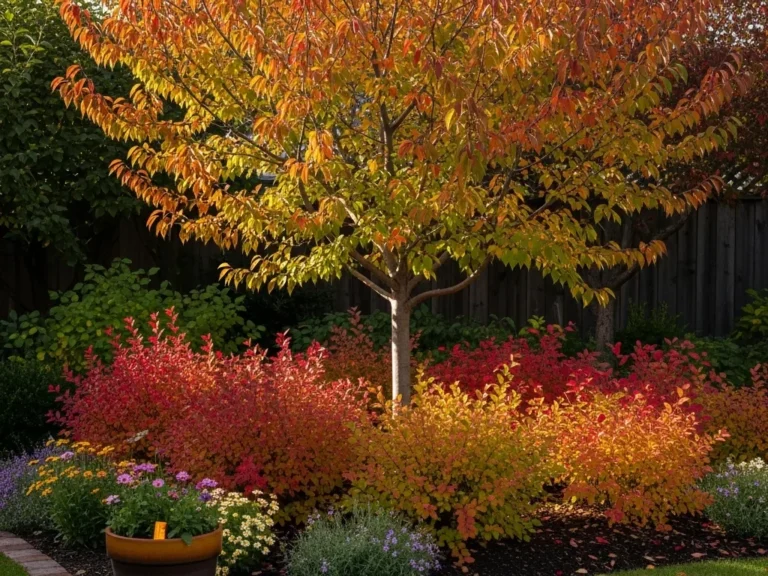
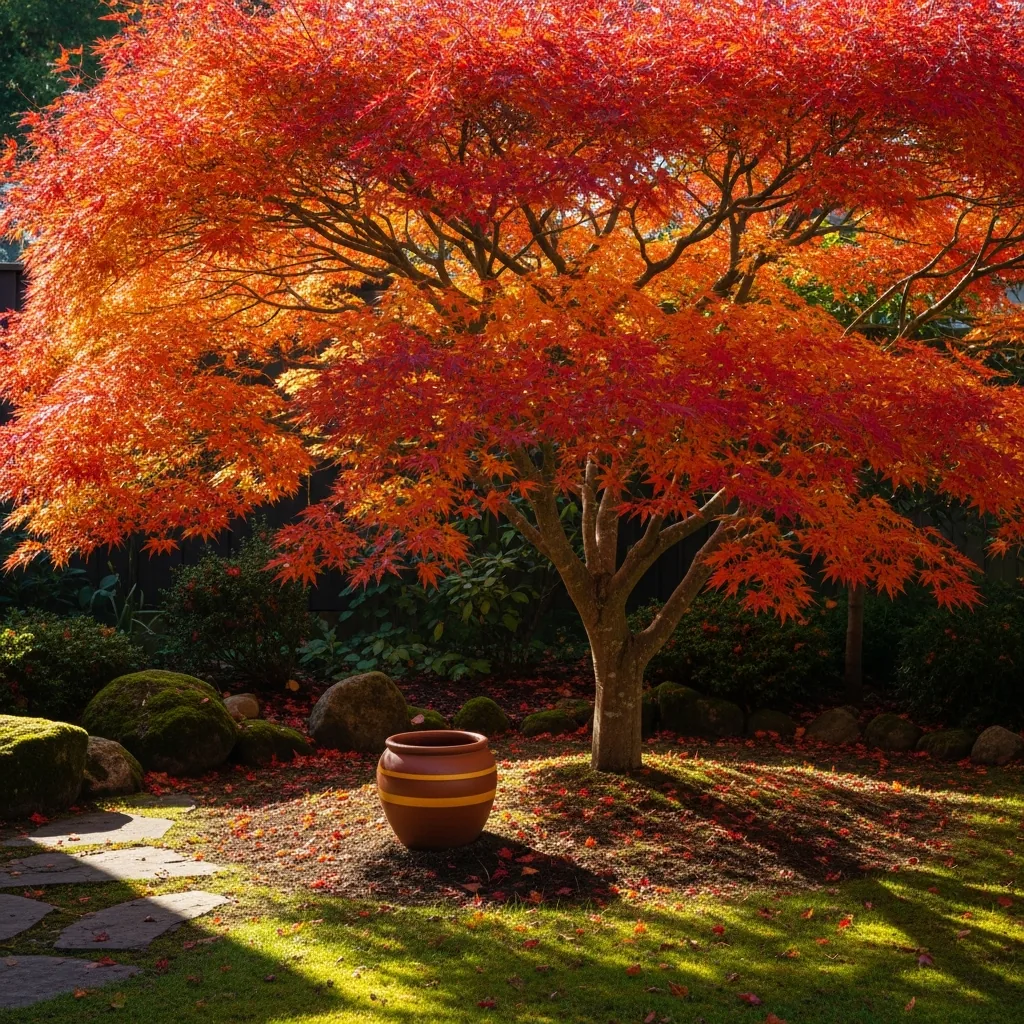
Deciduous plants are more than just pretty faces in the garden. They play a really important role in your backyard ecosystem. Think about the shade they provide in the hot summer months. That shade can cool your home, lowering energy bills. It also creates a comfortable spot for you to relax outdoors. In the fall, their lively leaf color is a showstopper. This seasonal change brings a dynamic beauty that evergreens just can’t match. I love watching my Japanese Maple turn fiery red each year.
Beyond aesthetics, deciduous trees support local wildlife. Their seeds, nuts, and fruits are food sources for birds and squirrels. Their branches offer nesting sites and shelter. The leaf litter they create decomposes, enriching the soil with vital nutrients. The U.S. National Park Service notes that the Eastern Deciduous Forest is a rich, diverse biome supporting countless species [1]. Their seasonal leaf drop also allows more sunlight to reach the forest floor in winter. This helps understory plants and ground cover survive. For us gardeners, this means a more lively, living landscape.
Choosing deciduous plants is a smart move for many reasons. They adapt well to different climates and soil types. Their predictable growth patterns make planning easier. You know what to expect each season. They also help manage water runoff. Their roots help hold soil in place, preventing erosion, especially on slopes. The benefits are clear: beauty, wildlife support, and environmental advantages all rolled into one.
When to Wait and Watch vs. Call an Expert for Deciduous Plants
As a gardener, I’ve learned that knowing when to step in and when to let nature do its thing is crucial. For deciduous plants, this often comes down to observing their health and surroundings. Most of the time, you can handle minor issues yourself. But sometimes, a problem is beyond DIY. Here’s my guide to figuring out when to wait and watch, and when it’s time to call in the pros.
Worth watching:
- Slight yellowing of leaves in late summer: This can be normal as the plant prepares for dormancy. It often means the plant is just getting ready for fall.
- A few dead twigs or small branches: This is common, especially after a harsh winter or a dry spell. Pruning these out is usually straightforward.
- Minor leaf spots or freckles: Many common leaf spot diseases aren’t serious. They usually don’t harm the plant significantly.
- Leaves dropping earlier than usual: Extreme heat or a sudden cold snap can trigger early leaf drop. If the plant looks otherwise healthy, it might recover next year.
- Slow spring bud break: Sometimes plants take a little longer to wake up after winter. Patience is key here.
- Presence of common garden pests like aphids: A strong blast of water or insecticidal soap often does the trick. These are usually manageable.
Worth calling an expert:
- Sudden wilting or rapid leaf drop across the entire plant: This could signal a serious disease or root issue. Apps like the University of Minnesota Extension’s diagnostic tool can help ID common issues [2]. But if it’s severe, it’s expert time.
- Large dead branches or signs of structural weakness: For big trees, especially near your house or walkways, this is a safety concern. You’ll want an ISA-certified arborist to assess this.
- Evidence of serious pest infestations like borers or scale: These can be hard to treat. Experts have access to stronger treatments and can identify invasive species.
- Unexplained plant death or severe decline, especially if you have pets: Some plant issues or toxicities can be harmful. Always check the ASPCA’s toxic plant list if you suspect poisoning. For plant health, your local cooperative extension is the best resource.
- Concerns about soil contamination: If you’re unsure about your soil quality, especially in urban areas or near old industrial sites, get it tested by your cooperative extension office.
- If you’re unsure if a plant is deciduous or evergreen: Sometimes identification is tricky. If you’re planning major work or chemical application, confirm its identity first.
Caring for Your Deciduous Plants: A Step-by-Step Guide
- Choose the Right Location: Before planting, consider the mature size of the deciduous plant. Most need full sun, at least six hours a day, though some tolerate partial shade. Ensure good drainage; soggy soil kills many species. Check the plant tag or research its specific needs. This initial step prevents future problems.
- Planting Correctly: Dig a hole that’s two to three times wider than the root ball, but no deeper. The top of the root ball should sit level with or slightly above the surrounding soil. Gently loosen any circling roots before placing the plant in the hole. Backfill with the original soil, breaking up large clumps. Water thoroughly to settle the soil and eliminate air pockets.
- Watering Wisely: Young deciduous plants need consistent moisture, especially during their first year. Water deeply once or twice a week, depending on rainfall and soil type. Aim to keep the soil moist but not waterlogged. As the plant matures, it becomes more drought-tolerant. You can often tell if it needs water when the top inch of soil feels dry.
- Mulching for Health: Apply a 2-3 inch layer of organic mulch (like wood chips, shredded bark, or compost) around the base of the plant. Keep the mulch a few inches away from the trunk to prevent rot and pest issues. Mulch helps retain soil moisture, suppresses weeds, and moderates soil temperature. It also breaks down over time, adding nutrients.
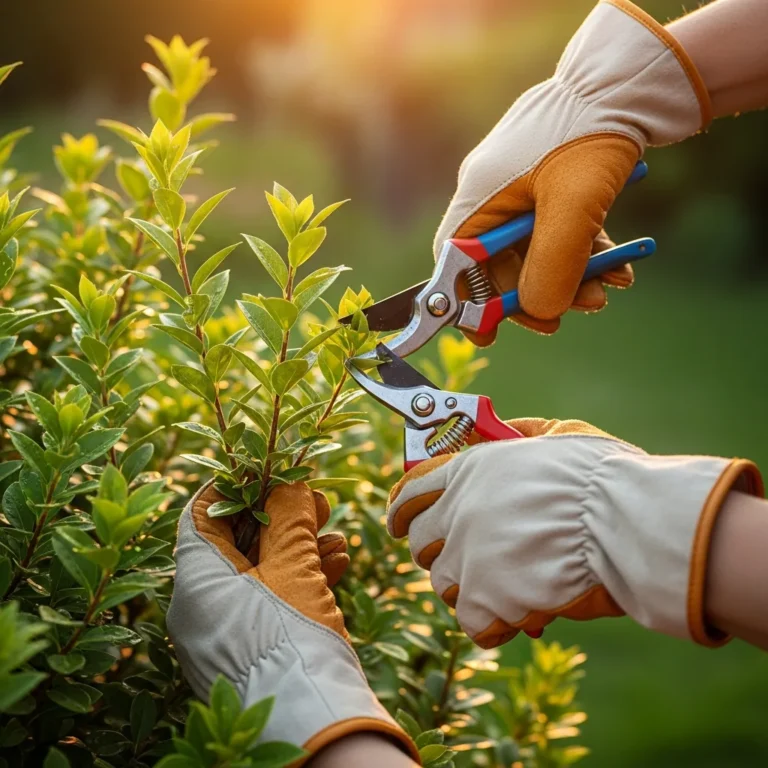
- Pruning for Shape and Health: Prune deciduous plants to remove dead, damaged, or diseased branches. The best time for major pruning is usually late winter or early spring before new growth begins. Light shaping can happen in summer. Avoid heavy pruning in fall, as it can stimulate new growth vulnerable to frost. For large trees, always consult an ISA-certified arborist.
- Feeding (If Necessary): Most mature deciduous plants don’t need regular fertilizing. If your plant is slow-growing or shows signs of nutrient deficiency (like pale leaves), a soil test from your local cooperative extension can guide you. If needed, a balanced, slow-release fertilizer applied in early spring is usually sufficient. Follow package directions carefully.
- Seasonal Cleanup: In fall, you might need to rake fallen leaves. If you have a large lawn, this can be a chore. You can compost the leaves or use them as mulch in other garden areas. This cleanup prevents the leaves from smothering smaller plants or creating a soggy mess.
Common Myths About Deciduous Plants Debunked
Myth: All plants that lose leaves are the same.
Reality: While they share the trait of shedding leaves, deciduous plants vary greatly. There are trees, shrubs, and perennials, each with different needs. Their reasons for leaf drop can also vary, from cold dormancy to dry season survival. Understanding the specific type of deciduous plant you have is key to its care.
Myth: Bare branches mean the plant is dead.
Reality: This is the most common misconception! Deciduous plants naturally lose their leaves in fall or winter. The bare branches are a sign of dormancy, not death. New leaves will emerge in spring. Look for healthy buds and flexible branches to confirm life. The University of Minnesota Extension offers great resources for diagnosing plant issues that look concerning [2].
Myth: Deciduous trees only provide summer shade.
Reality: While they offer excellent summer shade, their benefits extend year-round. Their open structure in winter allows sunlight to penetrate, warming the ground and benefiting understory plants. Their fall foliage provides stunning color. They also offer habitat and food for wildlife throughout the seasons.
Myth: You can prune deciduous trees anytime.
Reality: While some light pruning is okay anytime, major structural pruning should be done strategically. Late winter or early spring is generally best for most deciduous trees. This allows wounds to heal quickly with new growth and reduces the risk of disease transmission. Heavy fall pruning can encourage tender new growth that frost can damage.
Myth: Deciduous plants are too messy for small gardens.
Reality: Many smaller deciduous shrubs and trees are perfect for tight spaces. Dwarf varieties and those with attractive bark or structure can be features year-round. Their seasonal leaf drop is manageable with regular cleanup. Think of it as part of the garden’s natural cycle.
What to Track for Healthy Deciduous Plants
Keeping an eye on a few key things helps you catch potential problems early. This is especially helpful if you ever need to contact your local cooperative extension office for advice. They’ll want details!
- Leaf Color and Vigor: Note the intensity of fall color. Track if leaves are consistently pale green or yellowing prematurely during the growing season.
- Bud Set and Break: Observe when buds form in late summer/fall and when they begin to open in spring. A significant delay could indicate stress.
- New Growth Rate: Measure the amount of new shoot growth each year. Slow or stunted growth might signal underlying issues.
- Pest Presence: Regularly inspect leaves and bark for common pests like aphids, scale, or borers. Note the type and extent of infestation.
- Disease Symptoms: Look for unusual spots, blights, wilting, or cankers on leaves, stems, or branches.
- Soil Moisture: Check the soil moisture regularly, especially during dry spells. Stick your finger about 2 inches down; if it’s dry, it’s time to water.
- Structural Integrity: For trees, check for leaning, cracks, or large dead branches that could pose a hazard.
- Fruit/Seed Production: If your plant is a fruit or nut tree, track its yield and fruit quality. This can indicate health and pollination success.
Frequently Asked Questions About Deciduous Plants
What’s the difference between deciduous and evergreen plants?
Deciduous plants shed their leaves seasonally, usually in fall, to conserve energy during cold or dry periods. Evergreens, on the other hand, retain their leaves or needles year-round, shedding them gradually over time. This difference impacts their appearance and care needs throughout the year.
When is the best time to plant deciduous trees?
The best time to plant most deciduous trees and shrubs is during their dormant season. This is typically in the fall after the leaves have dropped, or in early spring before new growth begins. Planting during dormancy allows the plant to establish its root system before the stress of summer heat or winter cold.
How much water do deciduous plants need?
Water needs vary greatly depending on the plant species, age, and climate. Newly planted deciduous trees and shrubs require consistent moisture, especially in their first year. Mature plants are often more drought-tolerant. Generally, water deeply when the top 1-2 inches of soil feel dry. Avoid overwatering, which can lead to root rot.
Why do my deciduous plant’s leaves turn yellow in fall?
Fall yellowing is a natural process for many deciduous plants. As temperatures drop and daylight hours shorten, the plant stops producing chlorophyll, the green pigment. This allows other pigments, like yellow and orange carotenoids, to become visible. It’s a sign the plant is preparing for winter dormancy.
Can deciduous plants survive a harsh winter?
Most deciduous plants native to your region are adapted to survive harsh winters. They enter dormancy, slowing down their metabolic processes. However, young or newly planted specimens may need extra protection, like mulch around their base or wrapping the trunk. Extreme weather events can still cause damage, even to established plants.
Are deciduous plants good for attracting wildlife?
Yes, absolutely! Deciduous trees and shrubs are fantastic for wildlife. They provide food sources like nuts, seeds, berries, and nectar. Their branches offer shelter and nesting sites for birds and insects. The leaf litter also supports beneficial soil organisms. The diverse habitats within deciduous forests are vital for many species, as noted by the National Park Service [1].
What are some popular types of deciduous plants for gardens?
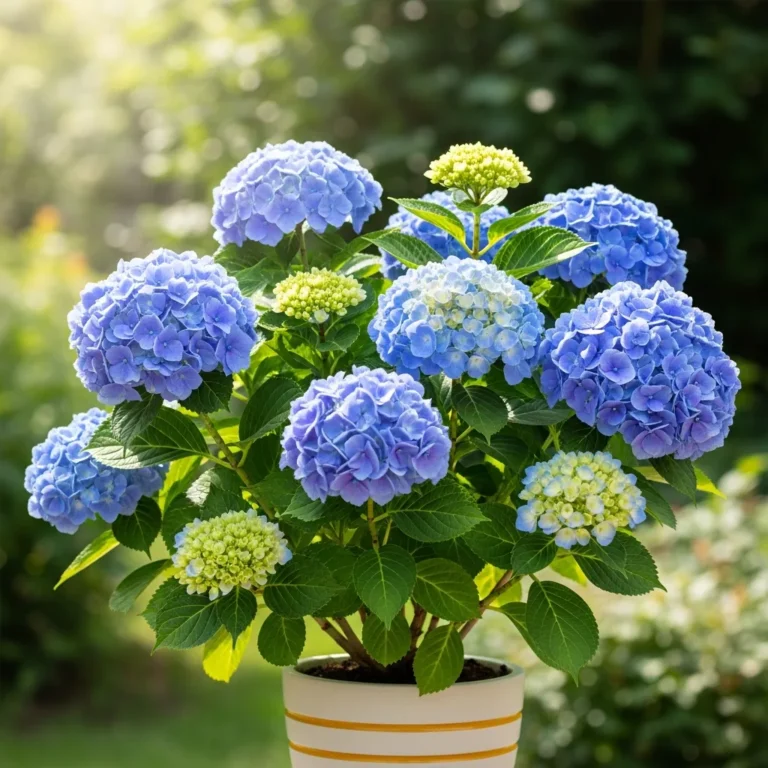
Popular choices include flowering trees like Dogwoods and Cherries, shade trees like Maples and Oaks, and ornamental trees like Japanese Maples. Many fruit trees, such as Apple and Pear, are also deciduous. Shrubs like Hydrangeas and Viburnums are common deciduous garden plants. The Royal Horticultural Society offers extensive lists of suitable species [2].
Wrapping Up Your Deciduous Plant Knowledge
Deciduous plants bring so much life and change to a garden throughout the year. From their lively fall colors to their essential role in supporting wildlife, they’re truly special. I hope this guide helps you feel more confident caring for yours. Remember, even seasoned gardeners have plants that struggle sometimes. That’s part of the journey!
Don’t hesitate to reach out to your local cooperative extension office or consult an ISA-certified arborist if you have serious concerns about your trees. They’re fantastic resources when you need expert advice. Happy gardening!