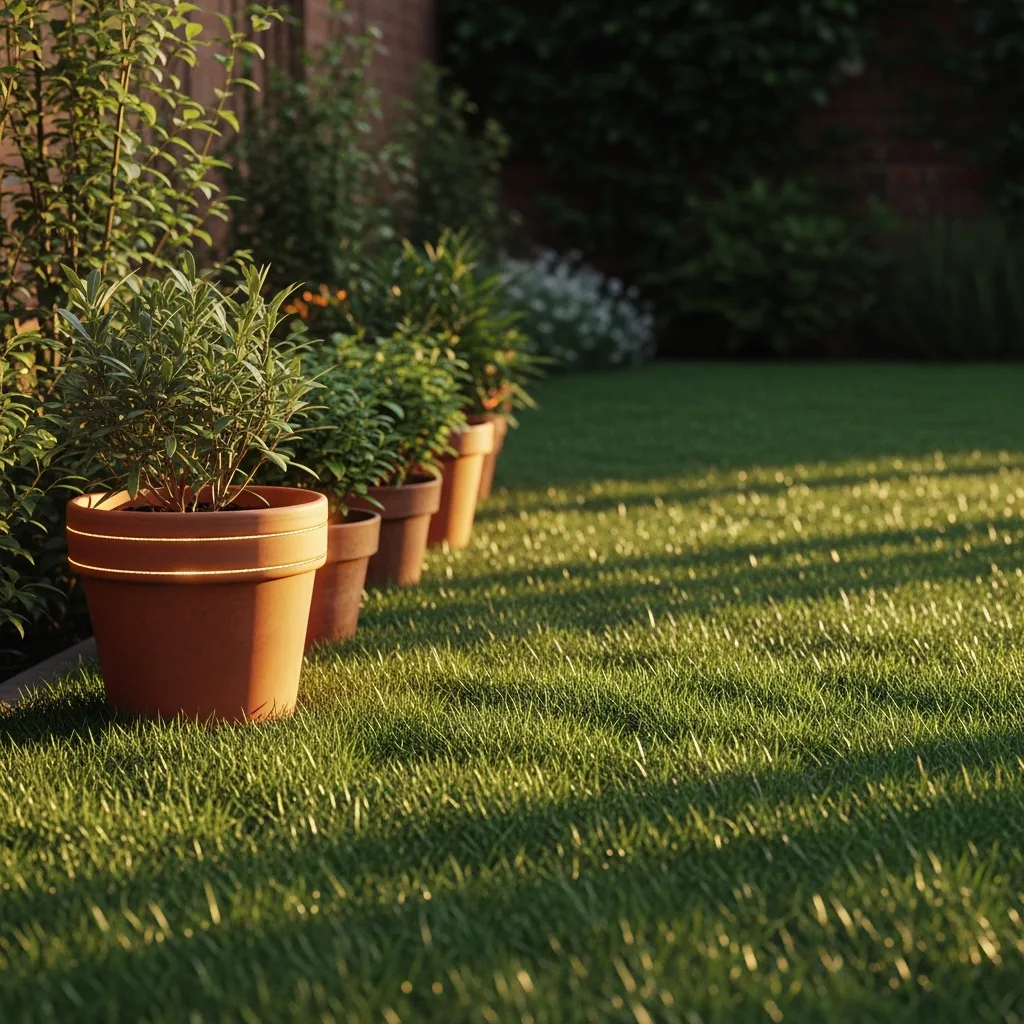
Quick Lawn Care Tips for Small Gardens
Quick version: Maintaining a small garden lawn involves smart mowing, proper watering, and addressing compaction. Mow higher to encourage deeper roots and reduce stress. Water deeply but infrequently, aiming for about one inch per week. Aerate compacted soil by poking holes and adding sand to improve drainage. Consider planting bulbs for added interest. For persistent issues like weeds or pests, identify them accurately before treatment, and know when to consult local extension services. The goal is a healthy, manageable green space, not a golf course. This approach helps ensure your small garden lawn stays lively and resilient throughout the seasons.
Keeping a lush, green lawn in a small garden can feel like a challenge. I know this because I’ve wrestled with my own compact yard for years.
This guide breaks down how to make your small garden lawn thrive. We’ll cover everything from choosing the right grass to dealing with common issues. This isn’t about achieving perfection, but about enjoying a beautiful, functional green space you’re proud of. We’ll rely on expert advice from university extensions and official sources.
We won’t cover large-scale landscaping or major renovations. Our focus is on practical, actionable tips for your backyard.
Why Your Small Garden Lawn Matters
You might think a small lawn isn’t worth the fuss. But I’ve learned that even a tiny patch of green can make a big difference. It’s a place to relax, play, or just enjoy the view. A healthy lawn also helps with drainage, reducing water runoff. According to the USDA Natural Resources Conservation Service, healthy soil, which a good lawn contributes to, can help manage stormwater and prevent erosion.
In compact urban or suburban yards, every square foot counts. Your small garden lawn is a canvas. It can be a cozy spot for morning coffee or a safe place for kids or pets to play. It adds curb appeal and can even increase your home’s value. Don’t underestimate the impact of that green space. It connects you to nature right outside your door. Making your small garden lawn healthy and attractive is a rewarding gardening project.
When to Wait and When to Act for Your Small Lawn
When you spot something unusual on your small garden lawn, it’s natural to want to jump into action. But sometimes, patience is key. Other times, you need to act fast.
Worth watching:
- Slight yellowing: Grass sometimes turns yellow due to mild stress, like heat or infrequent watering. Monitor it for a week or two. If it doesn’t improve or spreads, investigate further.
- Minor brown patches: Small, dry spots in hot weather can be normal. Make sure you’re watering adequately. If the patches grow or don’t recover with water, it might be something else.
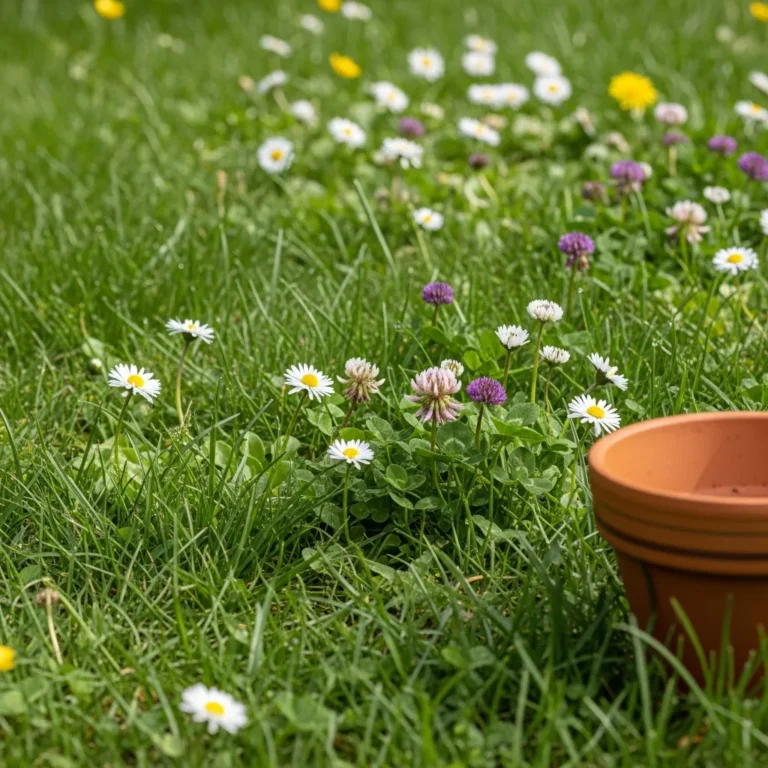
- Occasional weeds: One or two dandelions popping up are usually not a crisis. You can often pull them by hand or spot-treat them. Keep an eye on how quickly they spread.
- Compacted soil: If water sits on the surface for a long time after rain, your soil is likely compacted. This is common in high-traffic areas.
- Grass looking a bit thin: Some thinning in the fall or after a very hot summer is natural. Overseeding in the right season can help it thicken up.
Worth calling an expert:
- Suspected pet poisoning: If you think your pet might have ingested a toxic plant or chemical on the lawn, contact the ASPCA Animal Poison Control Center immediately. Have the plant or product name ready.
- Widespread pest infestation: If you see large numbers of specific insects damaging your lawn, like grubs or chinch bugs, and you can’t identify them or the damage is severe, it’s time for an expert opinion. The University of Illinois Extension has resources for identifying lawn pests.
- Persistent, unidentified weeds: If you have aggressive weeds taking over that you can’t control with basic methods, or you suspect they might be invasive species, seek help from your local cooperative extension office.
- Large bare spots or dead areas: If significant portions of your lawn die suddenly or won’t grow back, there could be a serious underlying issue like disease, poor soil, or buried debris.
- Concerns about soil contamination: If your property has a history of industrial use or you suspect contamination, consult your local cooperative extension office before planting or extensive lawn work.
Step-by-Step Guide to a Better Small Garden Lawn
- Mow Wisely: Set your mower to a higher setting. For most cool-season grasses, aim for 2.5 to 3 inches. Taller grass shades the soil, keeping it cooler and moister. It also helps prevent weeds from taking root. Never remove more than one-third of the grass blade height in a single mowing. This reduces stress on the grass. The Royal Horticultural Society (RHS) notes that proper mowing is fundamental to lawn health.
- Water Deeply and Infrequently: Instead of light daily sprinkles, water your lawn deeply about once or twice a week. Aim for about one inch of water each time. This encourages grass roots to grow deeper, making the lawn more drought-tolerant. Water early in the morning to minimize evaporation and reduce the risk of fungal diseases. Check the soil moisture by inserting a screwdriver; if it goes in easily, you likely have enough moisture.
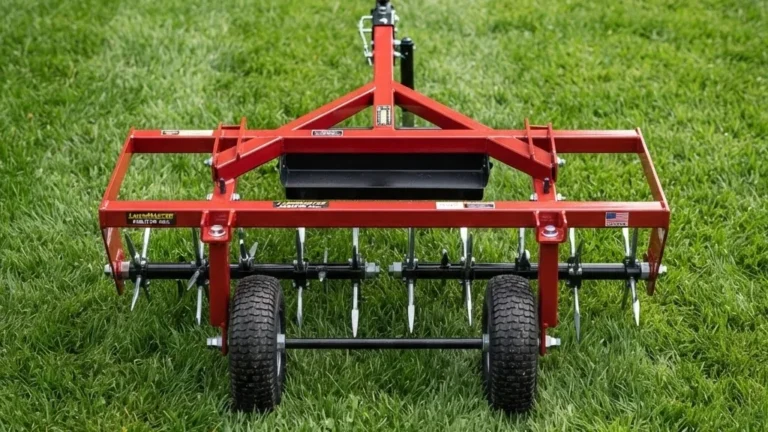
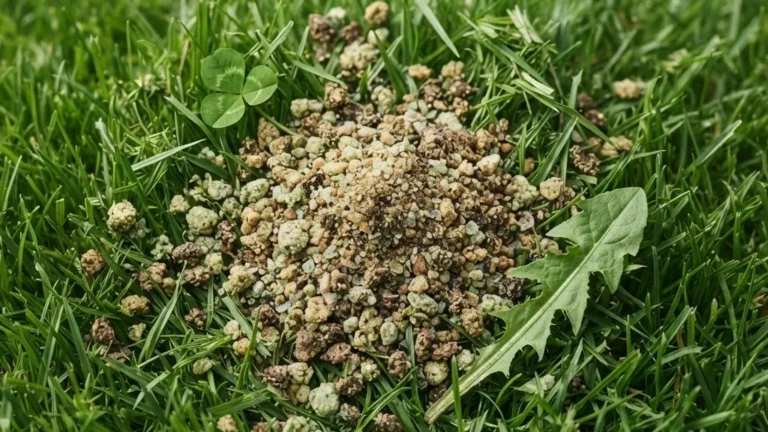
- Aerate Compacted Soil: Compacted soil prevents air, water, and nutrients from reaching the grass roots. For a small garden lawn, you can use a garden fork or a simple hand aerator. Push the tool into the soil every few inches to create holes. For severe compaction, you can fill these holes with coarse sand to help keep them open. This process significantly improves drainage and air circulation.
- Fertilize Appropriately: Don’t over-fertilize. Many small lawns don’t need much. Apply a slow-release lawn fertilizer in the fall and possibly again in the spring, following package directions. Over-fertilizing can lead to weak growth, disease, and excessive mowing. Choose a fertilizer appropriate for your grass type and local conditions. Your local cooperative extension office can offer guidance on specific fertilizer needs.
- Manage Weeds and Pests Proactively: A healthy, dense lawn is the best defense against weeds and pests. Regularly monitor your lawn for any signs of trouble. Pull small weeds by hand when you see them. If you have a persistent weed problem, identify the specific weeds using resources like the University of Illinois Extension’s lawn care pages before applying any treatments. For pest issues, proper identification is crucial.
- Overseed Thin Areas: If your lawn has thin patches, overseeding can help fill them in. Choose a grass seed mix that matches your existing lawn type and growing conditions (sun/shade). Rake the bare or thin areas to loosen the soil, spread the seed, and lightly cover it with compost or topsoil. Keep the area consistently moist until the new grass germinates and establishes. Fall is often the best time for overseeding cool-season grasses.
Common Misconceptions About Small Garden Lawns
Myth: You need to mow your small lawn very short for a neat appearance.
Reality: Mowing too short stresses the grass, making it more susceptible to drought, weeds, and diseases. Taller grass generally leads to a healthier, more resilient lawn, even in small spaces. Penn State Extension advises mowing at the highest recommended height for your grass type to promote a strong root system.
Myth: Small lawns don’t need aeration or top-dressing.
Reality: Lawns in small gardens can actually compact more easily due to foot traffic or even just the weight of equipment. Aerating helps air and water penetrate the soil. Top-dressing with a thin layer of compost can improve soil structure and fertility over time. This is crucial for overall lawn health.
Myth: Any grass seed mix will work for a small lawn.
Reality: Different grass types have varying needs for sun, shade, and wear. Using a seed mix suited to your specific conditions will result in a much better-looking and hardier lawn. Look for mixes designed for shade if your yard is often shaded, or for high-traffic areas if it gets many use.
Myth: Watering your lawn every day is best for keeping it green.
Reality: Frequent, shallow watering encourages shallow root growth, making the grass weaker and more prone to drying out. Deep, infrequent watering promotes a deeper root system, which is far more beneficial for lawn health, especially during dry spells. The Clemson Extension fact sheet on watering lawns emphasizes this principle.
Myth: A small lawn doesn’t contribute much to the environment.
Reality: Even a small lawn plays a role. Healthy turfgrass helps filter air and water, reduces soil erosion, and provides habitat for beneficial insects. While the scale is smaller, the ecological functions are still present. Every bit of green space helps.
What to Track for a Healthy Small Garden Lawn
Keeping a close eye on your small garden lawn helps you catch problems early. It also gives you valuable information if you need to consult with your local cooperative extension office. Here’s a checklist of what to observe:
- Mowing Height and Frequency: Note how high you’re mowing and how often. Are you following the one-third rule?
- Watering Schedule and Amount: Track when you water and for how long. Did you apply roughly one inch?
- Soil Moisture Levels: After watering or rain, check how deep the moisture penetrates. Does it dry out quickly?
- Weed Presence: Identify types of weeds and how widespread they are. Note which ones are most troublesome.
- Pest Activity: Look for signs of insects or other pests. Note the type of damage and the insects you see.
- Grass Color and Vigor: Observe the overall greenness. Are there yellowing or browning areas? How quickly does it recover from foot traffic?
- Compaction Signs: Notice if water pools after rain or if the soil feels hard when you try to push a screwdriver into it.
- New Growth Rate: How quickly is the grass growing? This can indicate its health and nutrient status.
- Response to Fertilization: Did you fertilize? If so, note any visible changes in color or growth afterwards.
Frequently Asked Questions About Small Garden Lawns
Can I use a string trimmer instead of a mower for a very small lawn?
For extremely small lawns or complex areas, a string trimmer can work for cutting grass. However, it often doesn’t provide as clean or even a cut as a mower. It can also be harder to control the height consistently. Be careful not to cut too low, which can damage the grass crowns and roots.
How do I deal with moss in a shady small garden lawn?
Moss thrives in shady, damp, and compacted conditions. Improving drainage and aeration is key. Ensure you’re mowing at a higher setting, as this helps the grass compete. If shade is the main issue, consider shade-tolerant grass varieties or alternative ground covers. Your local extension office can suggest specific solutions for your area.
Is it worth planting bulbs in a small lawn?
Absolutely! Planting bulbs like daffodils, crocuses, or snowdrops in a small lawn can add beautiful spring color. Just remember to let the foliage die back naturally after flowering. This allows the bulb to store energy for next year. Avoid mowing over them until the leaves have completely yellowed and withered.
What’s the best way to overseed a small lawn?
Prepare the area by lightly raking to loosen the soil and remove debris. Spread the grass seed evenly, following the recommended seeding rate. Lightly rake again to ensure good seed-to-soil contact. Keep the seeded area consistently moist by watering gently until the new grass is established. Fall is often the ideal time for overseeding in many regions.
Should I use a roller on my small garden lawn?
Generally, avoid rolling a small lawn unless absolutely necessary, such as after winter frost heave has lifted the grass crowns out of the soil. Over-rolling can increase soil compaction, which is detrimental to root growth. If you need to level minor bumps, a light top-dressing of compost is usually a better approach.
How can I make my small lawn look more interesting?
Don’t be afraid to mix things up! Consider planting low-growing, lawn-friendly flowers like chamomile or thyme in small patches. Adding edging with small borders of flowers or herbs can also define the space. As mentioned, spring bulbs are fantastic. Even a well-maintained, slightly taller lawn can be a pleasing feature.
What about artificial turf for a small garden lawn?
Artificial turf is an option if you want zero maintenance and a consistently green look. However, it doesn’t provide the environmental benefits of real grass, like cooling the air or supporting soil microbes. It can also get very hot in direct sun and doesn’t absorb water. Weigh the pros and cons carefully for your situation.
Enjoy Your Small Garden Lawn
A small garden lawn can be a source of joy and beauty. By understanding its unique needs and applying consistent, thoughtful care, you can achieve a healthy, attractive green space. Remember, it’s okay if it’s not perfect. The goal is a yard you love spending time in. Don’t hesitate to reach out to your local cooperative extension office if you encounter persistent problems or need region-specific advice. They’re a fantastic resource for gardeners like us!