Quick Lawn Care Answers
In brief: Consistent, correct lawn care practices, adapted to your specific grass type and climate, are key to success. Focus on mowing at the right height, watering deeply but not too often, fertilizing according to soil needs, and promptly addressing any weeds or pests. For most cool-season grasses, mowing higher (around 3 inches) promotes deeper roots and better drought resistance. Watering about 1 inch per week encourages a strong root system. A soil test is essential for understanding nutrient needs and fertilizing effectively. Regular observation helps you spot problems early and distinguish minor issues from those needing professional attention.
Having a beautiful lawn can feel like a challenge. But you don’t need to be a master gardener to achieve great results. This guide covers the basics of lawn care for the average backyard. We’ll talk about keeping your grass green and healthy. It’s not about perfect stripes. It’s about a yard you can enjoy. We’ll cover everything from mowing techniques to dealing with common problems. This guide is written from a home gardener’s perspective, using reliable information from university extensions and trusted sources. We aren’t covering advanced landscape design or tree health here. Those topics need expert advice.
Why Does Lawn Care Matter?
You might wonder why we dedicate so much attention to our lawns. For many of us, the lawn represents the largest area of our backyard – the place where kids play, we host picnics, and the dog roams. But a healthy lawn offers more than just good looks; it contributes to our environment. Healthy turfgrass helps absorb rainwater, reducing runoff, and can filter pollutants from the air and soil. The National Park Service notes that the lawns at Arlington National Cemetery are meticulously maintained to honor fallen soldiers, showing the symbolic significance grass can hold [https://home.nps.gov/hosp/learn/historyculture/arlington-lawn.htm]. For home gardeners, however, a well-kept lawn simply makes our outdoor spaces more enjoyable and functional, providing a clean canvas for activities and boosting curb appeal.
I used to think lawn care was just about the mower. Then I realized how much more was involved. Overwatering brought on fungus, and mowing too short left my lawn looking sad and yellow. Learning the basics made a world of difference, transforming my patchy yard into something I was genuinely proud of. It’s about working with nature, not against it, and it’s absolutely achievable for any home gardener.
When to Wait and Watch vs. Call an Expert
Deciding whether to handle a lawn issue yourself or call in a professional can save you both time and money. Here’s a guide:
Worth watching:
- Slight yellowing of grass blades: This often stems from heat stress or minor nutrient deficiencies. Ensure proper watering and consider a balanced fertilizer if the issue persists.
- Occasional, scattered weeds: Hand-pulling works well for a few weeds. Identify them first to understand their growth patterns.
- Minor thatch buildup (under 1/2 inch): Regular aeration usually manages this. The University of Minnesota Extension suggests aerating when turf is actively growing [https://extension.umn.edu/lawn-care/aerating-your-lawn].
- Slightly uneven mowing: Check that your mower blades are sharp and the deck is level. Adjusting the mower height can also help.
- Sporadic insect sightings (e.g., a few grubs): Monitor their numbers. Small populations typically don’t cause significant damage warranting immediate action.
- Dog spots on the lawn: These nitrogen-rich spots can be mitigated by encouraging your dog to drink extra water and rinsing the affected area afterward.
Worth calling an expert:
- Widespread, rapid wilting or browning: This could signal a serious disease or pest infestation requiring professional diagnosis and treatment.
- Suspected toxic plant ingestion by pets: If you believe your pet has eaten a toxic plant, contact the ASPCA Animal Poison Control Center immediately.
- Large beetle grub infestations (more than 5-10 grubs per square foot): Extensive grub damage can quickly kill large lawn sections.
- Persistent fungal diseases: If brown patches or rings don’t improve with basic care or spread quickly, a professional may need to identify the specific fungus and recommend treatment.
- Suspected soil contamination: If you’re concerned about heavy metals or other contaminants, particularly in older urban areas, consult your local cooperative extension office for testing and remediation advice.
- Large tree limbs overhanging the house: For any significant tree work, especially near structures, always consult an ISA-certified arborist.
Step-by-Step Lawn Care Guide
- Mow correctly: Mow when the grass is dry. Never cut off more than one-third of the blade length at once. For most cool-season grasses, a mowing height of 2.5 to 3 inches is ideal, encouraging deeper roots and helping to suppress weeds. Ensure your mower blades are sharp for a clean cut. Penn State Extension advises raising mower height during summer heat [https://extension.psu.edu/trees-lawns-and-landscaping/turfgrass-and-lawn-care].
- Water deeply and infrequently: Most established lawns need about 1 to 1.5 inches of water weekly, including rainfall. Water early in the morning to reduce evaporation and lower the risk of fungal diseases. Aim for one deep watering session instead of frequent light sprinklings to encourage roots to grow deeper, making the lawn more drought-tolerant. Use a rain gauge or tuna cans to measure water application.
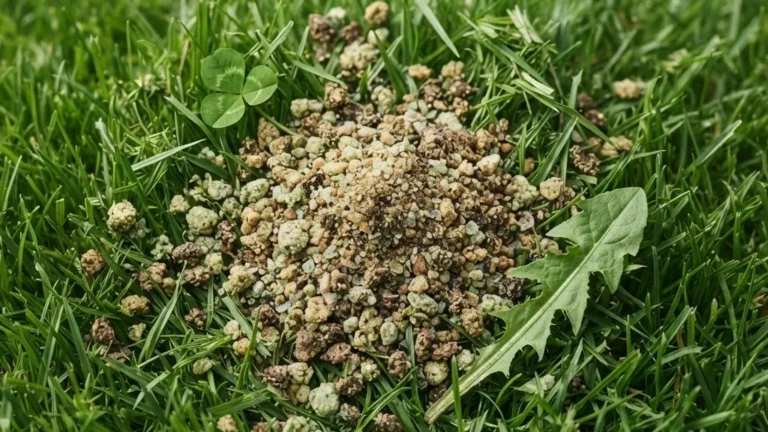
- Fertilize appropriately: A soil test is the best way to determine your lawn’s specific nutrient needs. Contact your local cooperative extension office for soil test kits and regional advice. Lawns generally benefit from nitrogen in spring and fall. Carefully follow fertilizer package instructions for application rates and timing. University of Minnesota Extension offers guidance on fertilizing lawns based on grass type and season [https://extension.umn.edu/lawn-care/fertilizing-lawns].
- Control weeds: Identify your weeds before treating them. Many can be pulled by hand, especially when the soil is moist. For persistent weeds, consider targeted herbicide applications, always reading and following label directions precisely. Pre-emergent herbicides can prevent weed seeds from germinating in the spring.
- Aerate and Dethatch (as needed): Thatch, a layer of dead grass material between the soil and green blades, can build up. A layer thicker than 1/2 inch can harbor pests and diseases and block water and nutrients. Aeration creates holes in the soil to reduce compaction, while dethatching physically removes excess thatch. These tasks are typically done in fall or spring during active growth. The Texas A&M AgriLife Extension has a helpful guide on thatch management [https://agrilifeextension.tamu.edu/wp-content/uploads/2026/03/Thatch-Management-for-Home-Lawns.pdf].
- Overseed thin areas: In late summer or early fall, overseed thin or bare spots to thicken your lawn. Choose a grass seed variety that matches your existing lawn. Lightly rake the soil, spread the seed, and water regularly until germination.
Common Lawn Care Myths Debunked
Myth: Mowing the lawn as short as possible makes it look neater.
Reality: Mowing too short stresses the grass, making it vulnerable to drought, heat, and disease. Taller grass develops deeper roots, which helps it access water and nutrients more effectively and crowds out weeds. Aim for a mowing height of 2.5 to 3 inches for most cool-season grasses.
Myth: Watering the lawn daily is best for its health.
Reality: Frequent, shallow watering promotes shallow root systems, reducing lawn resilience. It can also encourage fungal diseases. It’s more beneficial to water deeply (about 1 inch of water per week) once or twice a week, allowing the soil to dry slightly between waterings. This encourages deeper root growth.
Myth: Fertilizer solves all lawn problems.
Reality: While fertilizer provides essential nutrients, it won’t fix issues like poor soil structure, inadequate water, or disease. Over-fertilizing can harm your lawn and the environment. A soil test is the best way to determine your lawn’s actual nutrient needs. The University of Illinois Extension offers more on lawn care [https://extension.illinois.edu/lawns].
Myth: Moss in a shady lawn is unavoidable.
Reality: Moss often thrives in shady, compacted, or overly acidic soil. While you can treat the moss directly, addressing the underlying cause is crucial. Improving drainage, aerating the soil, and potentially adding lime (if a soil test indicates acidity) can prevent moss recurrence. Planting shade-tolerant groundcovers is another option.
Myth: Letting a lawn grow wild is always best for wildlife.
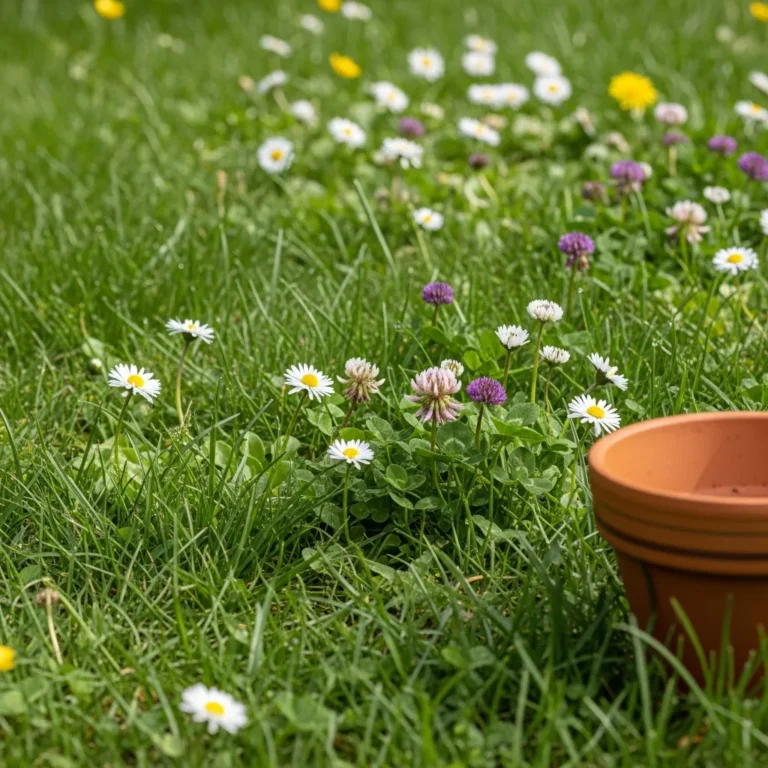
Reality: While a highly manicured lawn offers little for wildlife, a completely unmown lawn can become dominated by undesirable or invasive species. A balanced approach, such as incorporating sections of native wildflowers or allowing grass to grow longer in certain areas, provides better ecological benefits. Consider a ‘mini-meadow’ for targeted biodiversity.
What to Track for Better Lawn Health
Monitoring a few key aspects helps you manage your lawn effectively and catch problems early. Think of this as your lawn’s regular check-up.
- Mowing height and frequency: Note your cutting height and how often you mow. Are you following the one-third rule?
- Watering schedule and amount: Track when you water and for how long. Use a rain gauge to estimate natural rainfall.
- Fertilizer applications: Record the type of fertilizer used, the application rate, and the date.
- Weed and pest observations: Note the types of weeds or insects you see, their locations, and how widespread they are.
- Grass color and texture: Observe if the grass maintains a consistent green color, if there are yellow or brown patches, or if the texture seems unusual.
- Soil moisture: Insert a screwdriver or trowel into the soil. Does it penetrate easily, or is it hard and dry? Is the soil constantly soggy?
- Thatch layer thickness: Periodically check the depth of the dead material on the soil surface.
- New growth or recovery: Note how quickly your lawn bounces back after mowing, watering, or treatments.
- Signs of disease: Look for unusual spots, rings, or wilting patterns on the grass blades.
Frequently Asked Lawn Care Questions
When should I fertilize my lawn?
The ideal time to fertilize depends on your grass type and climate. For cool-season grasses common in much of the U.S., spring and fall are generally the most beneficial. Fall fertilization is particularly important for helping the grass recover from summer stress and prepare for winter. Always follow product instructions and consider a soil test for specific nutrient needs.
How can I improve a thin or patchy lawn?
Improving a thin lawn usually requires a combination of practices. Ensure you’re mowing at the correct height and watering deeply. Aerating and dethatching can reduce soil compaction and thatch buildup, allowing air, water, and nutrients to reach the roots. Overseeding in the fall is an excellent way to fill in bare patches with new grass seed suitable for your area.
What is thatch and how do I manage it?
Thatch is a layer of dead and living organic matter that accumulates on the soil surface. A small amount is normal and can insulate the soil. However, a layer thicker than 1/2 inch can cause problems, hindering water and nutrient penetration and creating habitat for pests. Dethatching, often done with a power rake or verticutter, and aeration help manage excessive thatch. You can find more information on thatch management from Texas A&M AgriLife Extension [https://agrilifeextension.tamu.edu/wp-content/uploads/2026/03/Thatch-Management-for-Home-Lawns.pdf].
How do I handle grubs in my lawn?
Grubs are the C-shaped larvae of various beetles that feed on grass roots. If you notice irregular brown patches that lift easily like a carpet, you might have grubs. You can confirm by digging up a small section of turf. If you find more than 5-10 grubs per square foot, treatment may be necessary. Options include beneficial nematodes for a more natural approach or chemical insecticides applied at the correct time of year.
Can I achieve a beautiful lawn without chemicals?
Absolutely! Many gardeners are embracing organic lawn care. This involves focusing on building healthy soil, mowing at the right height, watering efficiently, and using organic fertilizers. Encouraging beneficial insects and choosing disease-resistant grass varieties also helps. While it might require more patience and consistent attention to cultural practices, an organic lawn can be just as beautiful and is significantly better for the environment.
What’s the difference between cool-season and warm-season grasses?
Cool-season grasses, like fescues and ryegrass, thrive in moderate temperatures and are common in northern U.S. climates, growing most actively in spring and fall. Warm-season grasses, such as Bermuda grass and Zoysia, prefer warmer temperatures and are found in southern regions, going dormant and turning brown in cooler weather. Understanding your grass type is crucial for correctly timing care like fertilizing and mowing. The University of Illinois Extension provides helpful insights into lawn care for different types [https://extension.illinois.edu/lawns].
How can I make my lawn more eco-friendly?
You can make your lawn more eco-friendly by reducing water consumption, avoiding synthetic fertilizers and pesticides, and mowing higher. Consider replacing part of your lawn with native plants or a wildflower meadow to support pollinators. Letting grass clippings decompose on the lawn (using a mulching mower) returns nutrients to the soil. Reducing the overall lawn size is also an effective step.
Wrapping Up Your Lawn Care Journey
Cultivating a healthy lawn is an ongoing journey, not a single event. It requires consistent care and careful observation. Don’t get discouraged by setbacks – I’ve certainly had my share of lawn disasters! The key is to keep learning and adjust your approach as needed. Remember to consult your local cooperative extension office for advice tailored to your specific region and soil conditions. If you ever suspect a serious issue, especially involving pets or structural concerns with trees, don’t hesitate to call an expert. Your lawn will thank you for the attention.