Quick Answer: What to Expect During No Mow May
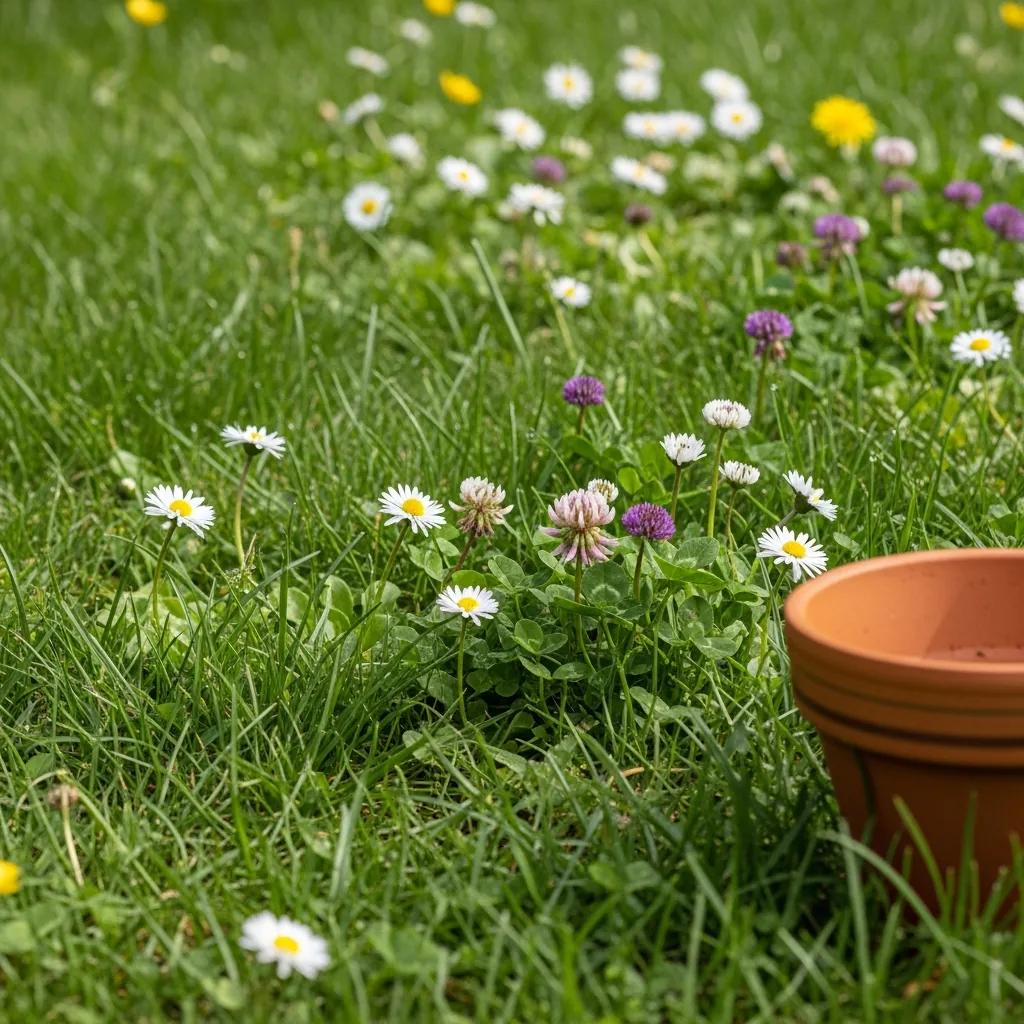
Short answer: Participating in no mow May means you don’t mow your lawn for the entire month. This simple act allows numerous wildflowers to emerge and bloom, providing vital food sources for pollinators like bees and butterflies. You might see common species such as daisies, clovers, dandelions, buttercups, and even less common finds like bird’s-foot trefoil or selfheal. Letting your grass grow longer helps support local biodiversity. It’s a low-effort way to contribute to conservation efforts right in your backyard. The goal is to support insect life and enjoy a more natural-looking lawn for a short period.
Thinking about skipping the mower this May? You’re not alone! The idea behind no mow May is simple: let your lawn grow a little longer. This encourages more wildflowers to pop up. I’ve definitely had my share of lawn disasters, so I know how tempting it is to keep things perfectly manicured. But sometimes, a little wildness is exactly what your yard needs. this guide covers help you identify those unexpected blooms and understand why letting your lawn grow is great for pollinators. We’ll cover what to expect, why it matters, and when you might still need your mower.
Why Letting Your Lawn Go Wild Matters for Pollinators
I used to think a perfect lawn meant stripes and short grass. That’s what you see in magazines, right? Then I started volunteering at a community garden and learned how much life a lawn can actually support. Letting your lawn grow a bit during May, as encouraged by the no mow May movement, is a powerful way to help our struggling insect populations. Think about it: many bees and butterflies rely on wildflowers for food. These plants provide nectar and pollen, which are essential for their survival. Without them, these crucial pollinators can’t thrive.
The U.S. Department of Agriculture (USDA) highlights the critical role of pollinators in our ecosystems. They’re not just important for pretty flowers; they help pollinate many of the crops we eat. Allowing wildflowers to bloom in your lawn creates mini-havens for them. It’s a small change in your yard that can have a big impact on local biodiversity. I’ve seen firsthand how many bees visit even the most common lawn weeds when I let them grow. It’s truly amazing to witness that small patch of green come alive.
The Royal Horticultural Society (RHS) also notes that longer grass can provide habitat for beneficial insects, not just pollinators. This includes ladybugs and ground beetles, which help control garden pests naturally. So, by participating in no mow May, you’re not just growing flowers; you’re build a healthier, more balanced garden ecosystem. It’s a win-win for your yard and the wildlife it supports.
No Mow May: What to Watch For and When to Call an Expert
Stepping away from the mower for a month can feel a little strange if you’re used to a pristine lawn. But it’s a rewarding experience! You’ll start noticing things you never saw before. Here’s what you should keep an eye out for, and when it’s time to get professional advice.
Worth watching:
- Early Wildflowers: Look for small, cheerful blooms like white clover (Trifolium repens), which offers nectar for bees. You might also spot the familiar yellow heads of dandelions, a great early food source for pollinators.
- Daisy Clusters: Common daisies (Bellis perennis) are low-growing and can create lovely patches of white and yellow. They’re surprisingly good for hoverflies.
- Bird’s-Foot Trefoil: This plant has distinctive yellow, pea-like flowers and seed pods shaped like a bird’s foot. It’s a valuable nectar source and host plant for certain butterfly larvae.
- Selfheal: You’ll recognize this by its small, purple-blue flower spikes. It’s part of the mint family and is a magnet for various bees.
- Buttercups: These bright yellow flowers are common in many lawns. While they can be prolific, they do offer some value to certain pollinators.
- Ribwort Plantain: This one looks a bit like a grass at first glance, with a dark, oval flower head on a thin stem. Bees love its pollen, and birds eat the seeds later in the year.
Worth calling an expert:
- Suspected Poisonous Plants: If you see plants you can’t identify and have pets or small children, err on the side of caution. Some common plants can be toxic. For immediate concerns about pet poisoning, contact the ASPCA Animal Poison Control.
- Invasive Species Concerns: While no mow May encourages native wildflowers, you might discover aggressive invasive plants like Japanese knotweed or garlic mustard. If you suspect an invasive species, consult your local Cooperative Extension office for identification and removal guidance.
- Significant Pest Infestations: If your lawn becomes overrun with pests like grubs or chinch bugs, and you’re unsure how to manage them without harming beneficial insects, an extension office can provide Integrated Pest Management (IPM) strategies.
- Unusual Fungal Growth: While some fungi are harmless, widespread or unusual fungal patches could indicate a serious lawn disease. Your local extension office can help diagnose issues and recommend treatments.
- Large Areas of Bare Soil: If you notice large patches of lawn where nothing seems to grow, it could point to soil compaction, poor drainage, or even contamination. This is another area where your local Cooperative Extension office can offer testing and advice.
How to Participate in No Mow May: A Simple Plan
Getting started with no mow May is incredibly easy. You don’t need special equipment or a degree in botany. It’s mostly about letting go of the urge to mow. Here’s a simple plan to follow:
- Commit to Not Mowing: The core of no mow May is simple: put your mower away for the entire month. That means no mowing the main lawn area. If you have a formal garden bed or areas that require regular trimming for safety, those can still be maintained. The focus is on the lawn itself.
- Observe and Identify: As your grass grows, start paying attention to what pops up. Use a field guide or online resources to help identify the plants. Look for the flowers mentioned earlier, like clovers, daisies, and buttercups. Notice which ones seem to attract the most pollinators. I learned this the expensive way by not paying attention and just assuming everything was a weed!
- Document Your Findings: Keep a simple journal or take photos of the plants you find. Note down when you first see them and what kind of insects visit them. This documentation is helpful if you later decide to consult your local Cooperative Extension office about lawn health or biodiversity.
- Consider a ‘Low Mow’ Alternative: If a full no mow May feels too extreme for your lawn or neighborhood, consider a ‘low mow’ approach. Simply raise your mower deck to its highest setting and mow less frequently, perhaps every 2-3 weeks instead of weekly. This still provides benefits for pollinators and insects. The University of Illinois Extension suggests adjusting mowing practices can benefit lawn health and wildlife.
- Educate Yourself on Local Flora: Take some time to learn about the native wildflowers in your region. Knowing what’s supposed to grow there helps you distinguish between beneficial native plants and potentially harmful invasive species. Resources from your local extension office are invaluable here.
- Prepare for June: Decide what you’ll do at the end of May. You can resume normal mowing, or perhaps transition to a less frequent schedule. If you choose to mow, consider leaving some areas unmown or mowing in patches to preserve habitat for longer. The Penn State Extension offers many articles on turfgrass management.
Debunking No Mow May Myths
Myth: Letting your lawn grow means it will become an unusable, messy jungle.
Reality: No mow May is only for one month. While your grass will get longer, it typically won’t become an unmanageable jungle in just 30 days. The goal is to allow wildflowers to bloom and support pollinators. You can always resume regular mowing in June. Many gardeners find that a slightly longer lawn is actually quite pleasant and offers a different kind of beauty. It’s a temporary change for a good cause.
Myth: All weeds are bad and should be removed immediately.
Reality: Many plants we call ‘weeds’ are actually beneficial wildflowers that provide crucial food for insects. Dandelions, for example, are a vital early food source for bees. While some plants are truly invasive or harmful, many common lawn ‘weeds’ are important parts of the local ecosystem. Learning to identify these plants is key, and your local Cooperative Extension office can help with identification guides.
Myth: No Mow May is only for people with large yards.
Reality: This movement is accessible to everyone, regardless of yard size. Even a small patch of lawn can host wildflowers and support pollinators. If you have a tiny urban yard or just a small strip of grass, participating still makes a difference. The key is letting the grass grow and observing the life it supports.
Myth: Letting the lawn grow will attract pests like mosquitoes.
Reality: While taller grass can provide habitat for insects, it doesn’t necessarily mean more mosquitoes. Mosquitoes typically breed in standing water, not long grass. In fact, a diverse lawn ecosystem can attract natural predators of mosquitoes, like dragonflies and certain birds. Focusing on eliminating standing water sources is more effective for mosquito control.
Myth: You must participate in May to help pollinators.
Reality: While May is the designated month for no mow May, the principle of letting plants flower and support pollinators can be applied throughout the growing season. You can adapt the concept to your own schedule. Consider a ‘Low Mow Summer’ or leaving specific areas of your yard unmown longer to provide continuous resources for wildlife. The University of Illinois Extension discusses various lawn care trends that can benefit the environment.
Tracking Your No Mow May Progress
Keeping track of what happens in your lawn during no mow May can be really insightful. It helps you understand your yard’s ecosystem better. Plus, it gives you concrete information if you ever need to consult with a gardening expert. Here’s a checklist of things to observe:
- Plant Identification: Note down the names of all the different wildflowers and plants that appear. Use apps or field guides to help.
- Flowering Times: Record when each type of flower first opens and how long it stays in bloom.
- Pollinator Activity: Observe which insects visit which flowers. Note the types of bees, butterflies, or other beneficial insects you see.
- Grass Height: Measure the approximate height of your grass weekly to see how much it grows.
- Unusual Growth Patterns: Look for any signs of disease or stress on the plants. Are any growing much faster or slower than expected?
- Presence of Beneficial Insects: Beyond pollinators, watch for ladybugs, lacewings, or other helpful insects that might move into the longer grass.
- Seed Head Development: As flowers go to seed, observe the seed heads. These can provide food for birds later in the season.
- Soil Moisture: Longer grass can help retain soil moisture. Check how damp the soil stays under the taller growth compared to a mowed lawn.
This information is super helpful. If you decide to contact your local Cooperative Extension office with questions about lawn health or biodiversity, having these details will make their advice much more specific and useful.
Frequently Asked Questions About No Mow May
Will my lawn look messy during no mow May?
It might look different than your usual manicured lawn, but ‘messy’ is subjective. Letting your grass grow allows wildflowers to emerge, creating a more natural and biodiverse appearance. many find this temporary wildness quite beautiful and rewarding to observe. It’s a short period for a significant ecological benefit.
Can I still walk on my lawn during no mow May?
Absolutely! No mow May doesn’t mean you can’t use your lawn. You can still walk on it, play on it, or relax in it. The main point is to avoid mowing. Just be mindful that longer grass might hold more dew or feel different underfoot. It’s a small adjustment for a great cause.
What if I see a plant I don’t recognize?
It’s common to encounter unfamiliar plants when you let your lawn grow. If you’re curious, use a plant identification app or a local wildflower guide. If you have concerns about toxicity, especially with pets or children around, consult the ASPCA toxic plant list or your local Cooperative Extension.
Is no mow May effective for supporting bees?
Yes, it is quite effective. Many common lawn weeds are actually important food sources for bees, especially early in the season. By allowing these plants to flower, you provide essential nectar and pollen when other food sources might be scarce. This small act can significantly boost local bee populations. The Penn State Extension has resources on creating pollinator-friendly landscapes.
What happens after May? Can I mow again?
Yes, you can resume mowing after May. Many participants return to regular mowing schedules, while others choose to continue with less frequent mowing or leave certain areas unmown longer. You can also transition to a ‘low mow’ strategy for the rest of the summer. The choice is yours, and any reduction in mowing frequency offers some benefit.
Are there any downsides to no mow May?
The primary ‘downside’ is aesthetic: your lawn won’t look like a traditional, manicured lawn. many might worry about increased weed seeds, though mowing itself can spread seeds. For most home gardeners, the environmental benefits of supporting pollinators far outweigh any perceived downsides of a temporarily longer lawn. It’s a trade-off that supports biodiversity.
Embrace the Wildness This May
Taking part in no mow May is a simple yet impactful way to support your local ecosystem. You don’t need to be a gardening expert to make a difference. Just put the mower away for a month and see what wonders emerge! Remember, if you encounter anything concerning, like potential toxic plants or widespread lawn issues, don’t hesitate to reach out to the professionals. Your local Cooperative Extension office and the ASPCA are fantastic resources. Happy observing!