What is World Soil Day?
TL;DR: World Soil Day, observed annually on December 5th, highlights the critical role of healthy soil for life on Earth. It promotes sustainable soil management and conservation efforts. For backyard gardeners, understanding World Soil Day means recognizing that strong soil is essential for growing healthy plants, improving water retention, and supporting biodiversity right in your own yard. It’s a global call to action for better soil stewardship, encouraging practices that prevent degradation and build soil resilience for future generations. This day reminds us that our gardening success is directly tied to the health of the soil beneath our feet.
World Soil Day is celebrated on December 5th each year. It’s a day dedicated to recognizing the incredible importance of soil for our planet. For us backyard gardeners, healthy soil is the foundation of everything we grow. I’ve definitely learned this the hard way after watching too many plants struggle in poor soil. this guide covers break down what World Soil Day is all about. We’ll cover why it matters to you and your garden, and give you actionable steps. We’re not diving into complex soil science here, just practical advice for everyday gardeners.
Why World Soil Day Matters to Your Garden
As gardeners, we know that the soil isn’t just dirt. It’s a living, breathing ecosystem. World Soil Day, celebrated every December 5th, shines a light on this vital resource. It reminds us that the ground beneath our plants is crucial for everything. Think about it: healthy soil grows healthy food. It also helps our gardens absorb water, which prevents runoff and flooding. Plus, it supports all sorts of beneficial bugs and microbes.
The United Nations FAO emphasizes that soil degradation is a massive global issue. They estimate that it can take up to 1,000 years to form just a few centimeters of topsoil. That’s a sobering thought! Pollution, erosion, and compaction are all problems we see. Intensive agriculture has depleted organic carbon in many soils. Climate change makes things even tougher with extreme weather. Heavy rains can wash soil away. Droughts can dry it out and make it prone to erosion. This is why the message of World Soil Day resonates so deeply with anyone who digs in the dirt.
For us home gardeners, this means paying attention to our own little patch of earth. The practices we use in our backyards contribute to the larger picture. By nurturing our soil, we’re not just helping our plants thrive. We’re also playing a part in a global effort to protect this irreplaceable resource. It’s a reminder that our gardening choices have a ripple effect.
When to Watch vs. When to Act for Soil Health
Sometimes, soil issues are minor and just need a little patience. Other times, they’re red flags that need immediate attention. Here’s a breakdown to help you decide.
Worth watching:
- Slightly compacted soil in a high-traffic area: If a path is getting a bit hard-packed, a light aeration and adding compost can often fix it over time.
- Very slow drainage after heavy rain: If water pools for more than 24 hours but eventually drains, it might just need more organic matter added.
- Minor yellowing on older leaves of a plant: This can sometimes be a sign of nutrient deficiency that you can address with a balanced organic fertilizer.
- A few weeds popping up: Regular hand-pulling or mulching usually keeps these in check.
- Surface crusting after watering: This is common and can often be broken up with gentle hoeing when dry.
Worth calling an expert:
- Suspected soil contamination: If you’re gardening in an area with a history of industrial use, lead paint chips, or chemical spills, it’s wise to get a professional soil test. Your local cooperative extension office can guide you on this.
- Persistent and widespread plant disease or pest issues: If you can’t identify the problem or your usual methods aren’t working, an expert from your extension office can help diagnose it.
- Significant soil erosion: If you see large amounts of soil washing away after rain, or significant gullies forming, you might need professional advice on landscape contouring or retaining structures.
- Concerns about pet safety: If you suspect your pet has ingested a toxic plant or contaminated soil, contact the ASPCA Animal Poison Control Center immediately.
- Large-scale soil structure problems: If your soil is consistently waterlogged, extremely hard, or seems lifeless despite your best efforts, a soil scientist or master gardener through your extension program can offer tailored advice.
Steps to Improve Your Soil Health Today
Improving your garden’s soil isn’t complicated. You can start making a difference right away with simple, consistent actions. Here’s how:
- Add Organic Matter Regularly: This is the golden rule. Aim to incorporate compost, aged manure, or leaf mold into your garden beds at least once a year. A good target is a 2-3 inch layer spread over the surface, especially in the fall or early spring. This feeds soil microbes and improves structure. I always keep a compost bin going.
- Minimize Digging (No-Till or Low-Till): Constant tilling can destroy soil structure and harm beneficial organisms. Try to disturb the soil as little as possible. When adding amendments, gently fork them into the top few inches or just leave them on the surface to break down. This helps preserve the soil’s natural layers and the life within them.
- Mulch Your Beds: Apply a 2-3 inch layer of organic mulch (like wood chips, straw, or shredded leaves) around your plants. This conserves moisture, suppresses weeds, regulates soil temperature, and slowly breaks down to add nutrients. Keep mulch a little away from plant stems to prevent rot.
- Plant Cover Crops: In empty beds, especially over winter, consider planting cover crops like clover or rye. These protect the soil from erosion, add organic matter when tilled in or cut down, and can even fix nitrogen. They’re like a green blanket for your soil.
- Test Your Soil (When Needed): If you’re experiencing persistent problems or planning major changes, get a soil test. Your local cooperative extension office offers affordable testing kits and analysis. This tells you about pH, nutrient levels, and organic matter content. You can learn more about managing soils at Penn State Extension.
- Avoid Compaction: Try to avoid walking on garden beds, especially when they are wet. Use designated paths or stepping stones. If compaction is an issue, gently aerate the soil with a fork or aerator tool.
- Choose Permeable Surfaces: If you’re adding patios or walkways, opt for materials that allow water to soak through. Gravel, permeable pavers, or spaced flagstones are better than solid concrete. This helps with water management and reduces runoff.
Common Soil Health Myths Debunked
Myth: All soil is the same; you just need to add fertilizer.
Reality: Soils vary hugely in texture, pH, and nutrient content. Fertilizer alone can’t fix structural problems or a lack of organic matter. Healthy soil is a complex ecosystem. Relying only on synthetic fertilizers can sometimes harm soil life and create imbalances. Understanding your specific soil type is key. You can learn about concepts and practices for managing soil health from resources like Penn State Extension.
Myth: Digging and tilling your garden bed every year is necessary for aeration.
Reality: While tilling can loosen soil initially, it disrupts the soil’s natural structure. It breaks up fungal networks and earthworm tunnels vital for soil health. It also brings weed seeds to the surface. Minimizing or eliminating tilling (no-till gardening) actually promotes better long-term soil structure and fertility.
Myth: Bare soil is resting soil and good for the garden.
Reality: Bare soil is vulnerable. It’s prone to erosion from wind and rain, can lose nutrients faster, and its temperature fluctuates wildly. Keeping soil covered with plants or mulch protects it, conserves moisture, and feeds the soil ecosystem.
Myth: Peat-free compost is just a trend; peat is perfectly fine for gardening.
Reality: Peat bogs are vital carbon sinks and unique ecosystems. Harvesting peat destroys these habitats and releases significant amounts of carbon dioxide. Using peat-free compost is a crucial step for environmental sustainability and protecting these valuable natural resources.
Myth: You can’t change your soil’s pH.
Reality: While drastically changing pH can be difficult and take time, you can adjust it. Adding lime can raise pH (make it less acidic), while sulfur can lower it (make it more acidic). The effectiveness depends on your soil type and the amount added. Always test your soil first. Clemson Cooperative Extension has great info on changing soil pH: Clemson University HGIC.
What to Track in Your Soil
Keeping an eye on your soil helps you understand its health and make informed decisions. Here’s a checklist of what to observe:
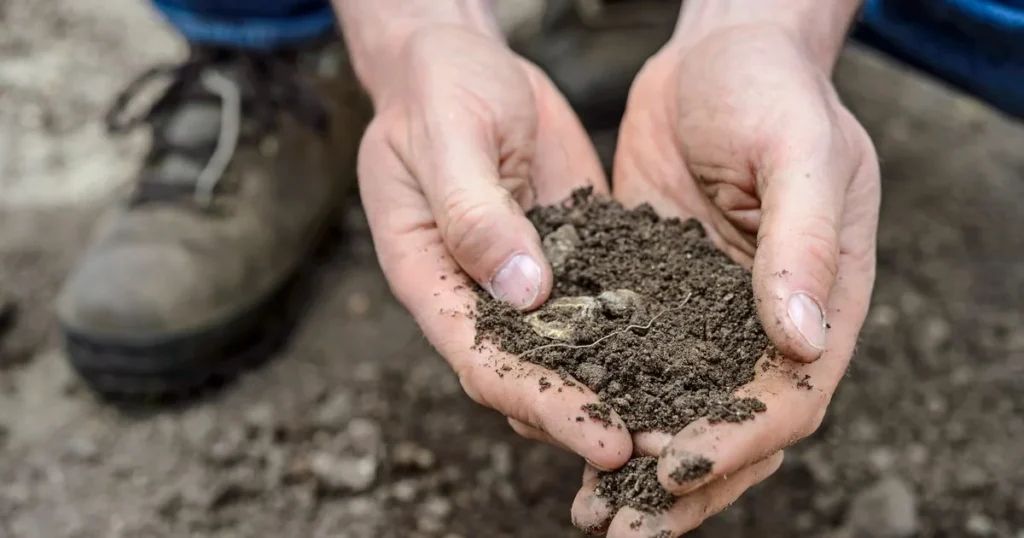
- Soil Texture: Does it feel gritty (sandy), smooth (silty), or sticky (clay)? Understanding this helps you know how to amend it.
- Drainage Rate: After watering or rain, how long does it take for water to soak in? More than 24 hours indicates poor drainage.
- Earthworm Activity: Seeing earthworms is a great sign of healthy soil life. Note if you see many, few, or none.
- Soil Color: Dark, rich soil usually indicates high organic matter. Pale or greyish soil might be lacking.
- Compaction: Can you easily push a screwdriver or trowel into the soil? If it’s difficult, it’s likely compacted.
- Surface Crusting: Does the soil form a hard crust after drying? This can hinder seedling emergence.
- Plant Growth and Vigor: Are your plants growing well? Do they have good color? Stunted growth or yellowing can point to soil issues.
- Weed Pressure: Are certain types of weeds thriving? Some weeds indicate specific soil conditions (e.g., compaction, low nutrients).
- Moisture Retention: Does the soil dry out very quickly, or does it stay soggy?
- Smell: Healthy soil often has a pleasant, earthy smell. A sour or rotten egg smell can indicate anaerobic conditions.
Frequently Asked Questions About World Soil Day
What is the main goal of World Soil Day?
The primary goal of World Soil Day is to raise global awareness about the importance of soil health for food security, environmental sustainability, and human well-being. It encourages governments, organizations, and individuals to promote practices that protect and improve soil resources.
How does soil health affect plant growth?
Healthy soil provides plants with essential nutrients, water, and air. It has good structure for root development and supports beneficial microorganisms that help plants thrive. Poor soil health can lead to nutrient deficiencies, water stress, and increased susceptibility to pests and diseases.
Can I improve my soil even if I have a small garden or balcony?
Absolutely! Even small spaces can benefit. Use high-quality potting mix rich in organic matter for containers. For small plots, focus on adding compost and avoiding compaction. Vertical gardening and container gardening are great ways to maximize growing space and soil health.
What are the biggest threats to soil health today?
Major threats include soil erosion caused by wind and water, nutrient depletion from intensive agriculture, soil sealing from urbanization, pollution from industrial and agricultural activities, and salinization. Climate change also exacerbates these issues through extreme weather events.
How can I contribute to soil health on World Soil Day?
You can contribute by practicing composting, using organic fertilizers, mulching your garden beds, minimizing tilling, avoiding pesticides, and planting cover crops. Educating yourself and others about soil’s importance is also a great way to participate.
What is soil sealing?
Soil sealing refers to the physical covering of soil surfaces, typically by artificial materials like concrete, asphalt, or buildings. This prevents natural soil functions, such as water infiltration, plant growth, and nutrient cycling. It’s a major concern in urban and industrial areas.
Where can I get more information about soil health in my region?
Your best resource is your local cooperative extension office. They offer region-specific advice, soil testing services, and educational programs. You can also find valuable information from the USDA Natural Resources Conservation Service (NRCS).
Keep Your Soil Happy
World Soil Day is more than just a date on the calendar. It’s a yearly nudge to remember the living foundation of our gardens. The soil is a complex, vital system. By making small, consistent efforts-like adding compost or avoiding unnecessary digging-you’re contributing to its health. Remember, healthy soil leads to healthy plants and a healthier planet. If you’re ever unsure about a soil issue, especially concerning contamination or serious structural problems, don’t hesitate to reach out to your local cooperative extension office for expert guidance.