Quick Winter Soil Care Tips
TL;DR: Effective winter soil care involves protecting bare ground from erosion and nutrient loss. Mimic nature by keeping soil covered with mulch or cover crops. Avoid leaving soil bare, especially during heavy rains, as this can wash away topsoil and harm soil structure. Consider adding compost or organic matter to improve soil health. For lawns, follow specific cool-season care advice. Protecting trees and shrubs from winter damage is also key. Early spring warming with covers can prepare beds for planting. Always check local conditions for best practices.
Winter soil care is essential for a healthy garden. Many gardeners think of winter as downtime. I used to think that too. But I learned the hard way that your soil needs attention even in the cold months. Neglecting it can lead to problems next spring. This guide covers simple, proven winter soil care techniques. We’ll focus on what you can do right in your backyard. We won’t cover advanced soil science or large-scale agricultural practices. My goal is to help your garden thrive, based on my own experiences and reliable advice.
Why Winter Soil Care Matters for Your Garden
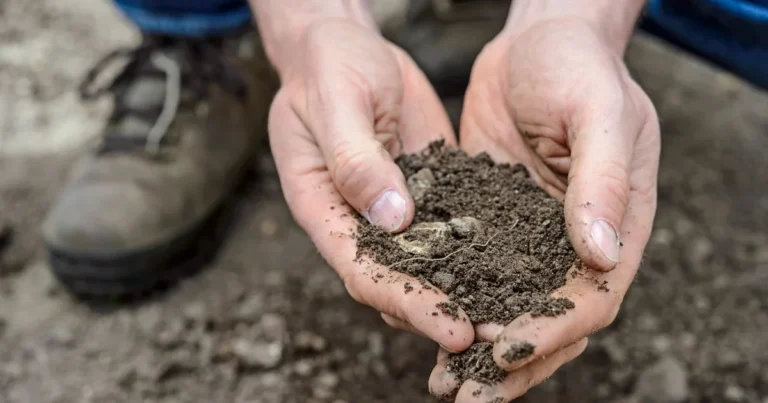
You might wonder why we should focus on soil during winter. It seems like everything is resting, right? I used to let my garden beds go completely dormant. But bare soil in winter is like leaving your house reveal in a storm. Heavy rains and wind can easily wash away precious topsoil. This erosion also carries away vital nutrients your plants will need later. Damaged soil structure makes it harder for roots to grow and for water to penetrate properly. The University of Minnesota Extension highlights that healthy soil is alive, teeming with microorganisms that are crucial for plant health and nutrient cycling. Keeping soil covered in winter protects this delicate ecosystem. It helps prevent nutrient leaching, which is a significant problem when soil is exposed. Protecting your soil now sets you up for a much more productive and resilient garden next season. It’s a proactive step that pays off big time.
Winter Soil Care: What to Watch vs. When to Act
Deciding whether to observe or take action is key for healthy soil. Not every winter sign means you need to rush out and fix something. Sometimes, nature knows best. But other times, a little intervention can prevent bigger issues.
Worth watching:
- Slight surface drying: If the top inch of soil feels dry but the deeper layers are moist, it’s usually fine. Plants are dormant, and their water needs are minimal.
- Frost heave on small plants: Tiny seedlings or newly planted perennials might be pushed up slightly by freezing and thawing cycles. This is often normal, especially in newly established beds.
- Accumulation of fallen leaves: In areas like under trees or shrubs, a natural layer of leaves is beneficial. It acts as a mulch and breaks down over time.
- Occasional mild days: Brief warm spells in winter can cause a slight surge in microbial activity. This is a natural part of the soil’s cycle.
- Snow cover: Snow acts as an excellent insulator for the soil, protecting it from extreme temperature fluctuations and conserving moisture.
Worth calling an expert:
- Toxicity to pets or children: If you suspect your pet or a child has ingested a toxic plant or soil amendment (like certain fertilizers), contact the ASPCA Animal Poison Control Center immediately.
- Large tree concerns: If a mature tree near your house shows signs of disease, damage, or potential structural failure (e.g., large dead branches, leaning), contact an ISA-certified arborist.
- Suspected soil contamination: If you’re gardening in an area with a history of industrial use, lead paint, or other potential contaminants, it’s wise to get a professional soil test. Your local cooperative extension office can guide you on testing procedures.
- Persistent, widespread weed issues: If you have aggressive invasive weeds that are taking over and you’re unsure how to manage them without harming your garden, consult your local extension office for regional advice.
- Signs of severe soil structure damage: If you notice significant cracking, subsidence, or waterlogging that doesn’t resolve, it might indicate deeper issues needing professional assessment.
Step-by-Step Winter Soil Preparation
- Protect Bare Soil: Don’t leave garden beds completely bare. After harvesting crops or removing annuals, cover the soil. Use a layer of organic mulch like compost, shredded leaves, or straw. Aim for a thickness of 2-4 inches. This protects against erosion and suppresses winter weeds.
- Add Compost or Manure: You can spread a layer of compost or well-rotted manure on top of your beds in late fall or early winter. Earthworms and soil microbes will slowly work it in. Penn State Extension recommends this as a way to improve soil structure and fertility over time. (See: Prepare for Winter)
- Plant Cover Crops (Green Manure): For larger areas or vegetable gardens, consider planting a cover crop. These are plants grown specifically to benefit the soil. They prevent erosion, suppress weeds, and add organic matter when tilled in or cut down in spring. Choose a type suited to your climate and soil.
- Manage Lawn Carefully: If you have a lawn, continue with cool-season grass care. Avoid excessive foot traffic on frozen or waterlogged ground. Rake up heavy leaf fall to prevent smothering the grass. The University of Illinois Extension suggests specific fall tips for cool-season lawns. (See: Five Fall Tips for)
- Protect Trees and Shrubs: Wrap the trunks of young or thin-barked trees to prevent sunscald and animal damage. Ensure shrubs that are borderline hardy in your zone are protected. Proper mulching around their base helps insulate roots. Minnesota Extension offers guidance on protecting trees and shrubs in winter. (See: Protecting Trees and Shrubs)
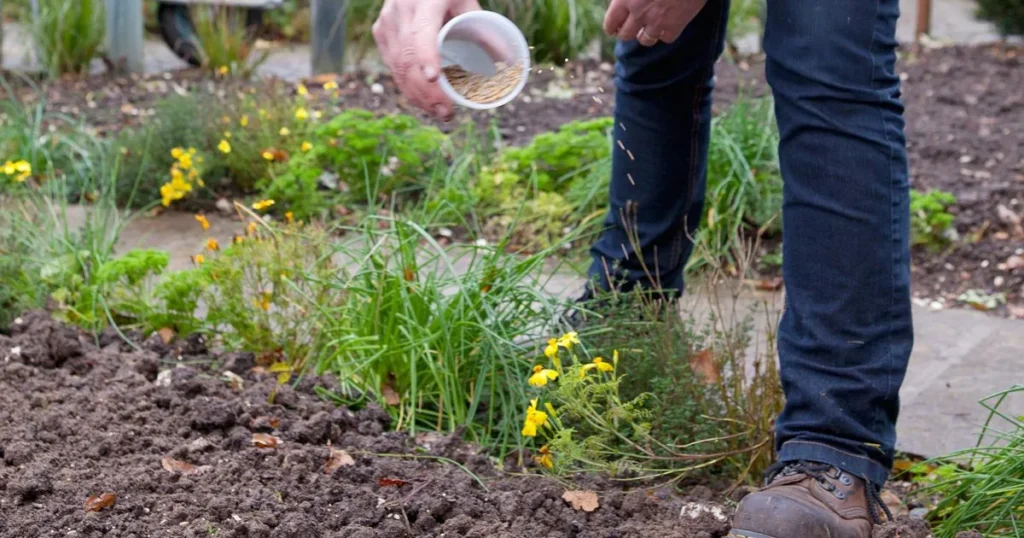
- Winter Sowing (Optional): If you’re feeling ambitious, you can start some seeds using the winter sowing method. This involves sowing seeds in containers left outdoors to experience natural cold stratification. Penn State Extension explains this technique. (See: Planting in the Cold:)
Common Myths About Winter Soil Care
Myth: Bare soil is fine in winter because nothing is growing anyway.
Reality: Bare soil is vulnerable to erosion from wind and rain, losing valuable topsoil and nutrients. Nature rarely leaves soil bare; it’s usually covered by plants or leaf litter. Keeping soil covered, even with dormant plants or mulch, protects its structure and living organisms. The Royal Horticultural Society notes that covering soil mimics natural processes for better health. (See: Soil)
Myth: You should dig or till your garden beds thoroughly in late fall.
Reality: While some gardeners till, excessive tilling can disrupt the soil’s natural structure and harm beneficial microorganisms. It can also expose soil to erosion. Many modern gardening methods, like no-dig gardening, advocate for minimizing soil disturbance. Adding organic matter on top allows worms and microbes to incorporate it naturally. This approach helps build soil health over time.
Myth: Fallen leaves are just messy yard waste and should all be removed.
Reality: Fallen leaves are a gardener’s gold! They are a fantastic, free source of organic matter. Where possible, let leaves decompose in place under trees and shrubs. They insulate roots and provide habitat for beneficial insects. You can also rake them up and add them to your compost pile or create leaf mould. Removing them entirely deprives your soil of valuable nutrients.
Myth: Watering is completely unnecessary for outdoor plants in winter.
Reality: While most plants are dormant, evergreens and newly planted items can still suffer from dehydration, especially during dry, windy spells. If your area experiences prolonged dry periods with no rain or snow, a light watering on a milder day might be necessary. Clemson Extension advises on winter irrigation management. (See: Landscape Irrigation Management)
What to Observe in Your Soil This Winter
Keeping an eye on your soil, even in winter, can provide valuable insights. These observations help you understand its condition and prepare for spring. Here’s a checklist of things to note:
- Soil Moisture Levels: Check deeper than the surface. Is it consistently waterlogged, or does it dry out quickly after rain? Dig down a few inches with a trowel.
- Presence of Earthworms: Seeing earthworms, especially after a rain, is a great sign of healthy, living soil. Their absence might indicate a problem.
- Mulch Layer Depth: Monitor how your mulch is holding up. Is it still providing adequate cover? You may need to top it up in late winter or early spring.
- Weed Growth: Note any weeds that manage to sprout. Persistent weeds might require a different approach next season.
- Soil Structure: Does the soil crumble nicely when squeezed, or does it form a hard, dense ball? Healthy soil should have good aggregation.
- Frost Heave: Observe if small plants are being pushed out of the ground by freezing and thawing. Note which plants are most affected.
- Surface Erosion: Look for signs of soil washing away, especially on slopes or after heavy downpours. This indicates a need for better ground cover.
Frequently Asked Questions About Winter Soil Care
Should I add fertilizer to my soil in winter?
Generally, no. Most plants are dormant in winter and can’t use fertilizer effectively. Applying it now can lead to nutrient runoff during winter rains, polluting waterways. Wait until spring when active growth begins to apply fertilizers. Focus on adding compost or organic matter now.
Can I plant anything outdoors in winter?
Yes, but it depends on your climate and what you’re planting. Some hardy vegetables can overwinter in milder climates. You can also start seeds using the winter sowing method in containers, as explained by Penn State Extension. For most things, though, it’s best to wait until spring. (See: Planting in the Cold)
What is the best mulch for winter soil protection?
Organic mulches are best for soil health. Compost, shredded leaves, straw, or wood chips are excellent choices. They break down over time, adding nutrients and improving soil structure. Avoid using fresh manure directly on beds where plants are growing, as it can burn roots. Ensure mulch is kept away from the crowns of plants.
How do I protect my raised beds in winter?
Raised beds benefit from the same winter care as in-ground gardens. Cover any bare soil with a thick layer of organic mulch, compost, or plant a cover crop. This prevents the soil from washing out of the beds and protects its structure. Ensure good drainage is maintained.
Is it okay to walk on my garden soil in winter?
It’s best to avoid walking on garden soil, especially when it’s wet or frozen. Compacted soil has poor aeration and drainage, which harms plant roots and microbial life. Stick to designated paths or use temporary boards to distribute your weight if you must access beds.
What’s the difference between mulching and cover cropping?
Mulching involves applying a layer of material (organic or inorganic) on top of the soil surface to protect it, retain moisture, and suppress weeds. Cover cropping, or green manuring, involves planting specific crops directly into the soil. These crops grow and are then tilled in or cut down to improve soil structure, add nutrients, and prevent erosion. Both methods protect the soil.
Your Garden’s Winter Rest
Taking care of your soil during winter isn’t complicated. It’s mostly about protection and preparation. By keeping soil covered and avoiding unnecessary disturbance, you help it stay healthy. This simple approach means you’ll be ready for a great planting season. Remember, if you’re ever unsure about soil contamination, plant toxicity, or major tree issues, reaching out to the experts is always the smartest move. Your garden will thank you for it next year!