The Quick Dirt on Soil Microbes and Your Health (soil amendments)
Quick version: Soil microbes are tiny organisms in your garden soil that can positively impact your mood and health. Exposure to them, like through gardening or even just being around soil, can help reduce stress and feelings of depression. This is partly because soil contains compounds like geosmin, which has mood-boosting effects, and it helps diversify your own gut microbiome. Think of your gut and soil as connected ecosystems. A healthier soil microbiome can lead to a healthier you, especially during winter when we might feel more isolated. Gardening is a great way to reconnect with these beneficial soil microbes.
Feeling a little low as the days get shorter? You’re not alone. Many of us turn to our gardens for comfort, but did you know that the soil itself might be helping? This guide explores the surprising connection between soil microbes and your wellbeing. We’ll cover why getting your hands dirty is good for you, how to safely connect with your soil, and when to seek expert advice. This isn’t about becoming a soil scientist; it’s about understanding what your backyard can do for you, based on real research.
Why Connecting With Soil Microbes Matters for Your Wellbeing
As a gardener, I know the pure joy of watching something grow. But it’s more than just pretty flowers or tasty veggies. There’s a whole universe happening under our feet. This universe of soil microbes is incredibly important for our health, not just our plants’. Scientists are finding that these tiny life forms play a big role in how we feel, especially during those long winter months. It’s a bit like our gut health; a diverse microbiome is a healthy microbiome. And guess what? Our soil is packed with diverse microbes.
Did you know that just one teaspoon of healthy soil can hold more microbes than there are people on Earth? It’s staggering! These microorganisms aren’t just busy breaking down organic matter for plants. They’re also interacting with us. Research from institutions like the University of Illinois Urbana-Champaign suggests that families who garden regularly have more diverse gut microbes. This diversity is linked to better overall health, including improved digestion and a stronger immune system. It’s a powerful reminder that our gardens are living systems that can benefit us directly. The fact that you looked this up means your garden is in good hands.
The connection between soil and our internal ecosystem is becoming clearer. Studies hint that exposure to soil can help build our immune system’s tolerance. This might even offer protection against common allergies and asthma, especially for children. Think about it: we evolved with this connection. Modern life, with its emphasis on sterile environments, might be cutting us off from something vital. Reconnecting with our soil, even in small ways, could be a key to feeling better. It’s a natural, accessible way to support our wellbeing through the seasons.
When to Watch and When to Call the Pros: Soil and Your Health
Understanding the role of soil microbes is fascinating, but sometimes our gardens present situations that need careful handling. For general soil interaction, like gardening or letting kids play, it’s usually safe. However, certain signs indicate you should seek professional advice or take specific precautions. It’s all about knowing what to look for.
Worth watching:
- General gardening activities: Digging, planting, weeding, and general soil manipulation are usually safe. Enjoy the tactile experience!
- Kids playing in the dirt: As long as there are no obvious hazards (like broken glass), supervised play in garden soil is generally beneficial for immune development.
- Composting: Turning compost piles is a great way to interact with microbial activity. Just be aware of potential heat and moisture.
- Barefoot walking on your lawn: A few minutes of walking barefoot on clean grass can help you feel grounded.
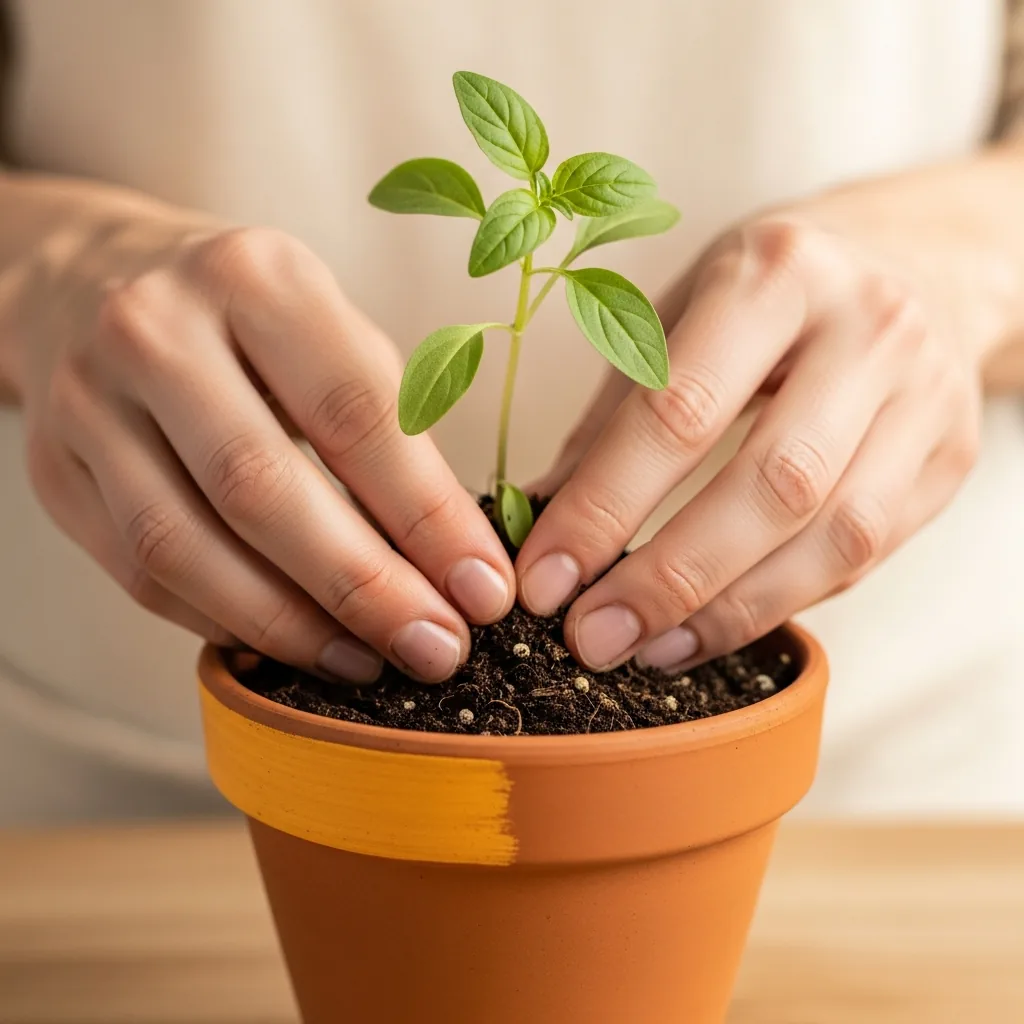
- Caring for houseplants: Repotting or tending to indoor plants offers a milder form of soil interaction.
- Using cover crops: Planting cover crops like clover or rye can directly support soil health and microbial life in your garden beds. Check out Penn State Extension’s guide on using cover crops for directing the soil microbiome.
Worth calling an expert:
- Suspected soil contamination: If your property is near old industrial sites, former gas stations, or has had persistent chemical spills, you might need to test your soil. Contact your local cooperative extension office for guidance on soil testing and interpretation.
- Toxicity concerns for pets or children: If you suspect your pet or child has ingested a potentially toxic plant or contaminated soil, call the ASPCA Animal Poison Control Center immediately. They have a complete database of toxic plants.
- Large tree work near structures: For any pruning, removal, or assessment of large trees that could pose a risk to your home or property, consult an ISA-certified arborist.
- Persistent, unidentified plant diseases or pests: If you can’t identify a problem and it’s spreading rapidly, your local cooperative extension can help with diagnosis and management strategies.
- Unusual odors or substances in the soil: Strange smells (like strong chemical odors) or visible unusual substances in your soil warrant investigation. Again, your extension office is the first stop.
- Concerns about heavy metals: If you’re growing food in an urban area or have specific concerns about heavy metals like lead, soil testing through your extension office is crucial.
Steps to Safely Boost Your Soil Microbe Connection
Ready to embrace the benefits of soil microbes? It’s easier than you think. Here are some practical steps you can take in your own backyard to safely connect with this amazing underground world. Remember, I learned this the expensive way by being too cautious and missing out on a lot!
- Start a Small Garden or Add to Your Existing One: Even a few pots on a patio can make a difference. Choose plants that are easy to care for, like herbs or simple vegetables. This gives you regular opportunities to interact with soil. Aim to get your hands in the soil at least a few times a week.
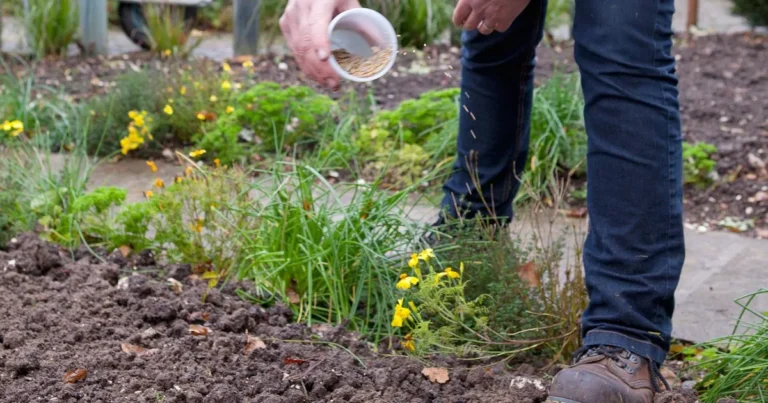
- Incorporate Compost and Organic Matter: Healthy soil is alive with microbes. Adding compost regularly feeds these organisms and increases their diversity. Aim to add a 1-2 inch layer of compost to your garden beds each spring or fall. This directly supports the soil microbiome.
- Consider Cover Crops: If you have empty beds during the off-season, plant cover crops. They protect the soil and feed microbes. Penn State Extension suggests cover crops can help direct the soil microbiome by providing diverse food sources. Choose a mix suitable for your climate.
- Garden Barefoot (When Safe): On a warm, dry day, consider spending a few minutes gardening without shoes. This direct contact can be very grounding and therapeutic. Make sure your feet are clean and there are no sharp objects in the soil.
- Wash Hands Thoroughly After Gardening: While direct contact is beneficial, hygiene is still important. Always wash your hands with soap and water after gardening. This removes any lingering dirt and potential pathogens. Ensure your tetanus vaccinations are up to date, as recommended by experts.
- Bring Nature Indoors: If outdoor gardening isn’t feasible, houseplants are a great alternative. Caring for them involves interacting with potting soil, and studies suggest this can also positively influence your skin’s microbiota.
- Embrace the Earthy Smell: That wonderful smell of soil after rain? It’s often due to a compound called geosmin, produced by soil bacteria. Take a moment to breathe it in; it can have a calming effect.
Debunking Myths About Soil and Health
Myth: All soil contact is dangerous and requires gloves at all times.
Reality: While gloves are wise for handling chemicals, manure, or sharp tools, avoiding all soil contact can limit beneficial exposure. Many studies, including those highlighted by extension services, suggest that controlled contact with soil microbes can boost immunity and mood. The key is good hygiene: wash hands thoroughly afterward and keep vaccinations up to date. For example, research shows that handling soil can increase microbiota diversity, which is linked to better health.
Myth: You need a huge garden to get health benefits from soil.
Reality: Not at all! Even small-scale gardening, like growing herbs in pots on a windowsill, can provide exposure to soil and its beneficial microbes. Research shows that indoor plants can also positively influence skin microbiota. The act of caring for plants and interacting with soil, no matter how small the scale, offers opportunities for connection.
Myth: The “hygiene hypothesis” means we should be less clean overall.
Reality: The hygiene hypothesis doesn’t advocate for neglecting cleanliness. Instead, it suggests that an overly sterile environment might hinder the proper development of our immune systems. Exposure to a diverse range of microbes, like those found in soil, helps train our immune system. It’s about finding a balance, not about becoming unhygienic. Proper handwashing after gardening is still crucial.
Myth: Only farmers and scientists need to worry about soil health.
Reality: Soil health directly impacts everyone, especially backyard gardeners. Healthy soil grows healthier food, supports a more lively ecosystem, and provides those crucial microbial connections. Understanding basic soil science, like what microbes do, helps us become better gardeners and supports our own wellbeing. It’s a win-win for your garden and your health.
Myth: The smell of soil is just dirt; it has no real impact on us.
Reality: The distinct earthy smell of soil, often strongest after rain, is largely due to a compound called geosmin, produced by certain soil bacteria. research shows that inhaling geosmin can have positive effects on mood and reduce stress. So, that pleasant earthy aroma is more than just a scent; it’s a signal of microbial activity that can benefit your mental state.
What to Observe in Your Garden for Soil Health
Keeping an eye on your garden’s soil is key to understanding its health and your connection to it. You don’t need to be a scientist to make useful observations. These simple checks can help you gauge soil vitality and even provide valuable information if you ever need to consult your local cooperative extension office. My gardening spreadsheet is my best friend!
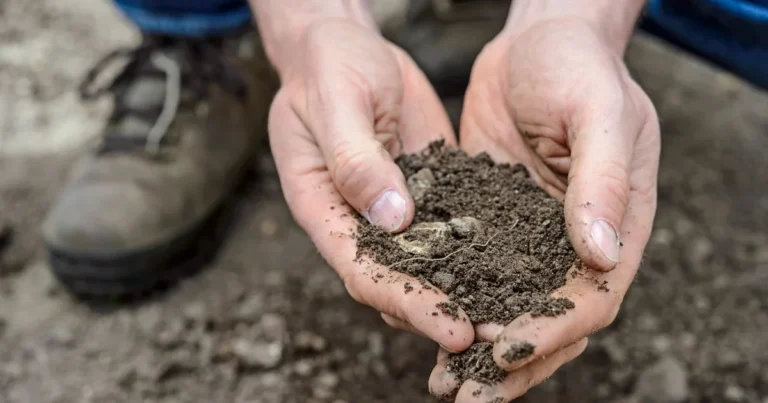
- Soil Texture and Feel: Does it crumble easily, or is it compacted and hard? Healthy soil generally has a loose, crumbly texture.
- Moisture Retention: After watering, does the soil stay damp for a reasonable time, or does it dry out instantly? Good moisture retention indicates a healthy structure, often supported by microbial activity.
- Earthworm Activity: Seeing earthworms is a great sign! They are indicators of healthy soil, aerating it and improving its structure. More worms usually mean a happier microbial community.
- Plant Growth and Vigor: Are your plants growing strong and looking healthy? Stunted growth or yellowing leaves can sometimes point to underlying soil issues, including microbial imbalances.
- Organic Matter Content: Notice the amount of compost or leaf litter on the soil surface and mixed in. A good layer of organic matter feeds soil microbes.
- Absence of Foul Odors: Healthy soil smells earthy and pleasant. A rotten or sulfuric smell could indicate anaerobic conditions or other problems.
- Weed Pressure: While weeds are inevitable, a sudden explosion of specific types might hint at nutrient imbalances or soil disturbance that affects the microbial community.
- Fungal Growth (Beneficial): Sometimes you might see white, web-like mycelium in the soil. This is often a sign of healthy fungal networks supporting plant growth.
Frequently Asked Questions About Soil Microbes and Health
Can playing in the dirt really improve my mood?
Yes, research shows it can. Soil contains compounds like geosmin, which has been linked to mood enhancement. The act of gardening itself, engaging your senses and connecting with nature, is also a powerful stress reliever. It’s a natural way to feel more grounded and peaceful, especially during challenging times.
How do I know if my soil is healthy?
Healthy soil typically has a dark color, a crumbly texture, and an earthy smell. You’ll likely see earthworms and a good amount of organic matter. It should retain moisture well but also drain properly. If your soil is heavily compacted, smells bad, or plants struggle to grow, it might need improvement. Observing these signs helps you understand your soil’s vitality.
What’s the difference between soil microbes and gut microbes?
Both are essential microorganisms, but they live in different environments. Soil microbes are in the earth, helping plants grow and decompose organic matter. Gut microbes live inside our digestive systems, aiding digestion and supporting our immune system. Interestingly, there’s a strong connection: a diverse soil microbiome can contribute to a more diverse and healthy gut microbiome.
Is it safe to garden without gloves?
For many gardening tasks, yes, it can be safe and even beneficial to garden without gloves. This allows for direct sensory connection with the soil. However, it’s crucial to wash your hands thoroughly afterward and ensure any cuts or scrapes are covered. Always wear gloves when handling chemicals, manure, or potentially toxic plants. Keeping vaccinations like tetanus up to date is also advised.
How can I increase soil microbes in my backyard garden?
You can boost soil microbes by adding organic matter like compost and aged manure. Avoiding excessive tilling also helps preserve microbial communities. Planting cover crops during the off-season provides food and habitat for these organisms. Minimizing the use of synthetic pesticides and herbicides also supports a thriving microbial ecosystem in your soil.
Does eating organic food help my gut microbes?
Foods grown in healthy, biodiverse soils, like those from regenerative or organic farming, are often richer in nutrients and antioxidants. These compounds can act as ‘rocket fuel’ for your gut microbes, supporting their diversity and activity. While not all organic food is directly teeming with microbes, the overall health of the soil it’s grown in can contribute to better food quality that benefits your microbiome.
Can houseplants help my connection to soil microbes?
Yes, caring for houseplants can offer a form of soil interaction. Repotting, watering, and tending to your indoor plants involves contact with potting soil. Studies suggest that this can influence your skin’s microbiota. While it might not be the same as outdoor soil, it’s a great way to bring a bit of that natural connection indoors, especially during winter.
Embrace Your Garden’s Natural Gifts
Winter doesn’t have to mean feeling disconnected or low. Your garden, and the incredible world of soil microbes within it, offers a natural pathway to improved wellbeing. By understanding the simple yet profound connection between the earth and your health, you can make the most of your backyard sanctuary. Remember, it’s okay to get your hands dirty. If you ever have serious concerns about soil contamination or plant toxicity, don’t hesitate to reach out to your local cooperative extension office or other trusted experts. They’re there to help you keep your garden and yourself healthy.